Category: News

  • Small Business Advertising Trends 2026: 68% of Owners Are Raising Budgets—Here’s Where the Money Is Going

    <mark class=”rank-math-highlight” style=”background-color: #fee894″><mark class=”rank-math-highlight” style=”background-color: #fee894″>Small Business Advertising Trends 2026:</mark></mark> 68% of Owners Are Raising Budgets—Here’s Where the Money Is Going

    Small Business Advertising Trends 2026: 68% of Owners Are Raising Budgets—Here’s Where the Money Is Going

    By Arizona Balloon Company (arizonaballoon.com) — April 8, 2026

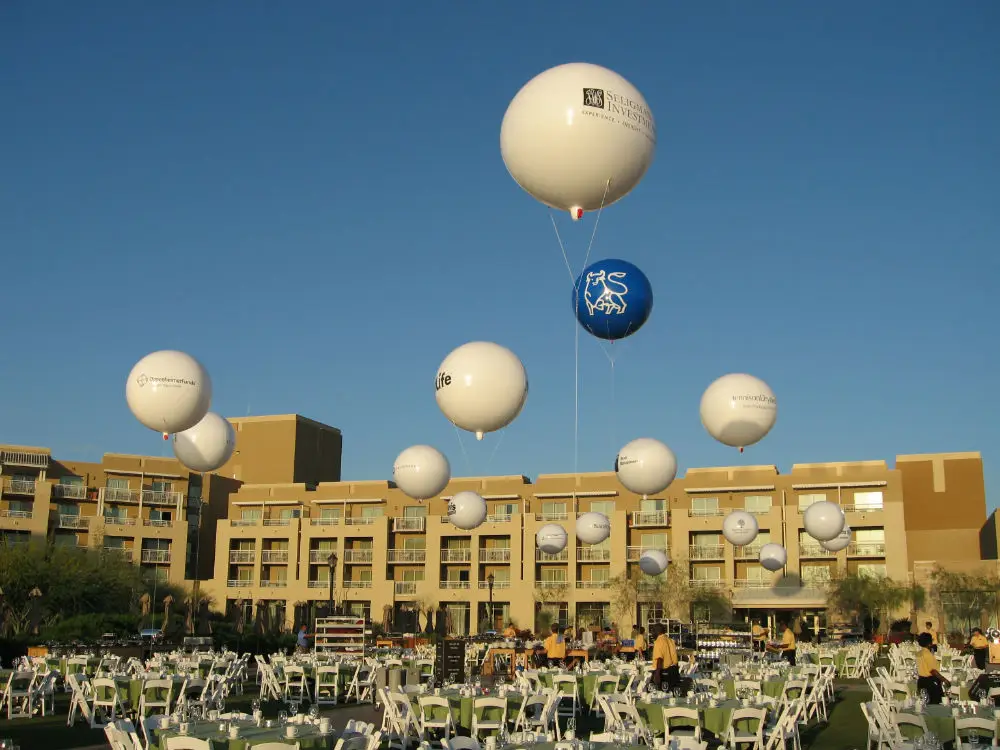
    small business advertising trends 2026 showing increased marketing investment and outdoor signage

    Small Business Advertising Trends Show Marketing Budgets Are Rising Despite Economic Headwinds

    The latest data on small business advertising trends delivers a clear message: most American business owners are betting on marketing, not retreating from it. A survey of 1,500 small business owners across the United States and other English-speaking markets, conducted by Constant Contact and reported by American Marketer on April 7, 2026, found that 68 percent of small business owners expect their marketing budgets to increase this year. Additionally, 74 percent expect to spend more time on marketing in 2026 than they did in 2025. That momentum is remarkable given the economic backdrop. Inflation and rising costs remain the top concern cited by small business owners heading into the year. Rather than pulling back, the majority of owners are choosing to invest through the uncertainty.

    A separate survey of more than 300 small businesses conducted by LocaliQ reinforces the trend. According to that report, nearly 40 percent of small businesses plan to increase their marketing budgets in 2026. Conversely, only 8 percent plan to decrease them. The majority—54 percent—plan to keep budgets flat. This means that those who are spending more represent a decisive, proactive segment of the market. For businesses aiming to capture local market share, this shift signals a more competitive environment. Visibility and brand consistency will separate the winners from those who stay on the sidelines.

    Clutch’s budget planning research, which surveyed 337 marketing professionals, adds further context: 60 percent of small businesses plan to increase their 2026 marketing and advertising budgets compared to 2025. Furthermore, 78 percent of marketing professionals say they are optimistic about the marketing landscape this year. The confidence is measurable and broad-based. The question for any individual business owner is not whether to invest, but where.

    Where the Money Is Going: Channels, AI, and Efficiency in Small Business Advertising Trends

    The LocaliQ report found that more than half of small businesses plan to invest more in video marketing and advertising (53 percent). Meanwhile, 47 percent plan to put more into search advertising and social media advertising. Social media is widely expected to be the channel delivering the most value in 2026. One in three U.S. small business owners plan to launch entirely new social campaigns rather than simply continuing existing ones, according to the Advertising Week analysis of Constant Contact data.

    As we delve deeper into small business advertising trends, it’s essential to consider how this year’s changes will impact local markets.

    Understanding small business advertising trends allows owners to prioritize their marketing efforts effectively.

    Tracking these small business advertising trends will help in forecasting future market shifts.

    The latest insights into small business advertising trends reveal the importance of adapting to evolving consumer behaviors.

    By analyzing small business advertising trends, companies can identify opportunities that will enhance their outreach.

    These small business advertising trends indicate a shift towards more integrated marketing strategies.

    Awareness of small business advertising trends can significantly influence budget allocation decisions.

    As small business advertising trends evolve, staying informed is crucial for competitive advantage.

    Small business advertising trends are crucial for understanding consumer engagement in 2026.

    AI adoption is accelerating alongside those budget increases. Constant Contact’s research found that 54 percent of small business owners are already using AI marketing tools. Additionally, another 27 percent plan to adopt them this year. Business owners are using AI primarily to analyze trend data (45 percent), create campaigns and content (44 percent), and develop visual assets (40 percent). NP Digital’s 2026 budget research found that 61 percent of B2B marketers are increasing overall marketing spend this year. Furthermore, SEO budgets are rebounding sharply after a softer 2025.

    Yet, the data also reveals a persistent gap. Despite enthusiasm for digital channels, research from DIY Marketers and the LocaliQ report both caution that direct marketing, referrals, and relationship-based channels consistently outperform social media for businesses with fewer than 50 employees—often at a fraction of the cost. Many small businesses are increasing their digital budgets while underinvesting in high-ROI channels that have proven track records closer to home.

    The Offline Opportunity Most Small Businesses Are Missing

    While digital spending dominates the conversation, Clutch’s research contains a telling data point: about a third of marketers anticipate decreasing spending in traditional media such as TV, print, and radio. However, the same report draws a clear distinction: this pullback does not extend to all offline channels. Sponsorships and strategic partnerships are actually gaining investment from 35 percent of marketers surveyed. This reflects a growing appetite for physical-world visibility that connects brands to local communities and real foot traffic.

    This is where location-based, outdoor advertising tools earn their place in any well-rounded marketing plan. While national TV buys and print runs are declining because they are expensive and difficult to attribute, hyper-local outdoor advertising is a different story. A business that can place a high-visibility marker precisely at the point where potential customers are making location decisions—at a grand opening, a new community development, a trade show floor, or a heavily trafficked intersection—captures attention that no email campaign or social post can replicate. That principle has driven the demand for advertising blimps and marketing inflatables for decades, and it is as relevant in 2026 as it has ever been.

    small business advertising trends 2026 showing increased marketing investment and outdoor signage

    Why Outdoor Visibility Still Drives Foot Traffic and Walk-In Revenue

    The 2026 small business marketing data, taken as a whole, points to a fundamental challenge: digital channels are becoming more crowded, more expensive, and harder to attribute as AI-driven search changes how consumers find local businesses. NP Digital’s research notes that AI systems increasingly provide direct answers without sending users to websites at all. This means website traffic is expected to continue declining even as search engine use remains high. For any business that depends on foot traffic, walk-in customers, or local visibility—home builders, auto dealers, trade show exhibitors, and neighborhood retailers among them—this trend underscores the value of marketing that works in physical space.

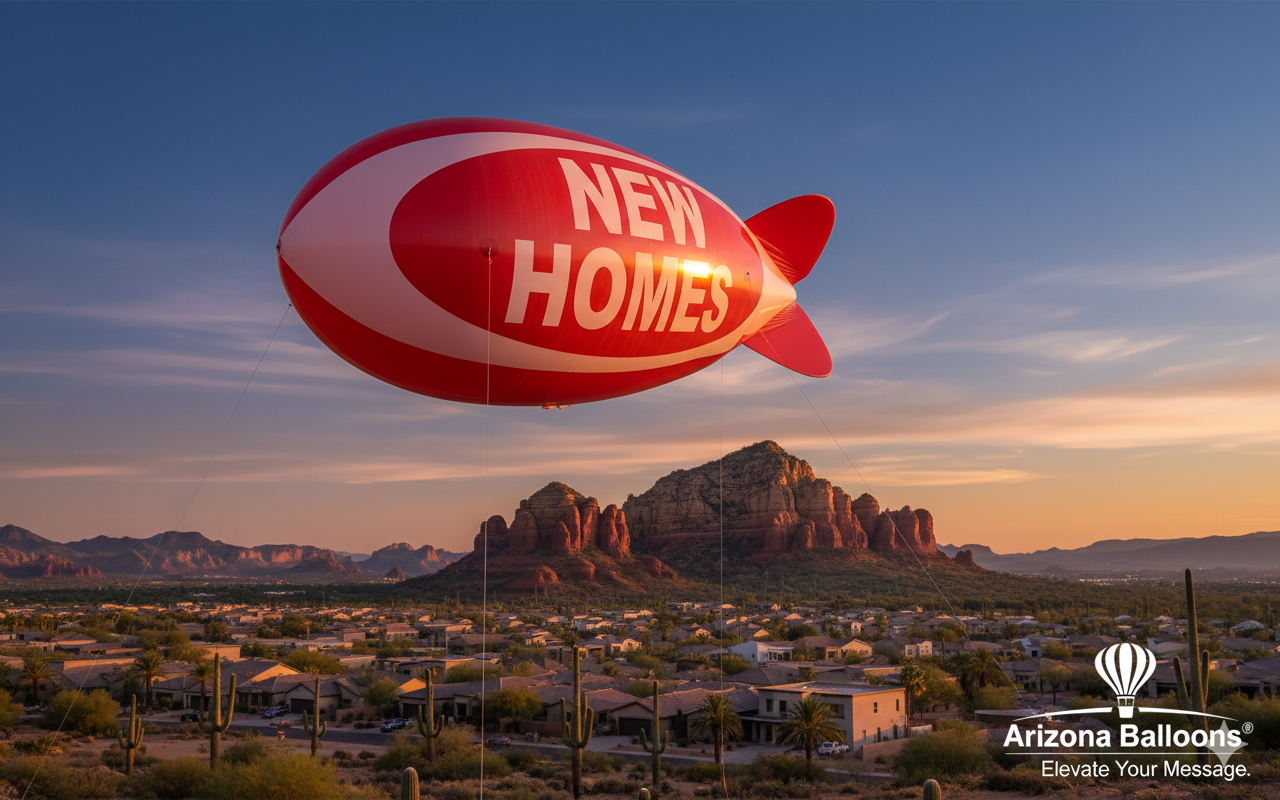
    Helium advertising balloons and giant inflatable marketing products function precisely in the environment where digital struggles most: the physical world at the moment of decision. When a family drives through a new subdivision and spots a towering blimp above a model home, or when a trade show attendee sees an inflatable display rising above the booth floor, the impression is immediate, three-dimensional, and impossible to scroll past. That is the kind of attention that complements a well-funded digital strategy rather than competing with it. Helium advertising balloons from Arizona Balloon Company are used by home builders, auto dealerships, and event marketers across the Southwest for exactly this reason. They create a visible landmark that drives traffic from the street level into the sales environment.

    Balancing Digital and Physical: A Smarter Channel Mix for 2026

    The Rhode Island Small Business Development Center’s 2026 marketing guidance emphasizes that growth-oriented businesses are focusing on mapping and connecting the entire customer journey rather than executing isolated tactics. That principle applies directly to the question of channel mix. When 66 percent of small businesses report that economic uncertainty is somewhat or very challenging heading into 2026, according to LocaliQ, every marketing dollar must justify its place in the budget. Outdoor advertising tools that are visible, repeatable, and budget-scalable—such as helium blimps rented for a grand opening weekend or a weekend auto sale event—offer a measurable cost-per-impression that many digital alternatives struggle to match at the local level.

    Neil Patel’s 2026 marketing budget analysis, published by NP Digital, recommends a 70-20-10 framework. Seventy percent of the budget should be allocated to proven high-ROI channels, 20 percent to promising growth channels, and 10 percent to experimental tactics. For businesses with strong walk-in or event-driven sales cycles, physical visibility tools belong in the proven 70 percent tier. They are not a novelty. They are a tested, location-specific demand-generation tool with a long and documented track record across retail, real estate, and event marketing.

    The Boomer Productions analysis of the top ten marketing trends for small businesses in 2026 highlights that community trust and human connection are emerging as differentiators. Digital channels are becoming commoditized. An inflatable advertising display at a local event, a grand opening, or a community trade show is a tangible, human-scale statement of presence. This reinforces exactly the kind of trust and local identity that drives long-term customer relationships.

    What This Means for Your Marketing

    The clearest takeaway from the 2026 small business advertising data is that increasing your marketing investment is not enough on its own. The businesses that will outperform are those that combine digital precision with physical presence. They reach customers both in their feeds and in the real world. If your competitors are raising their digital budgets while ignoring the street level, that gap is an opportunity. A visible, well-placed outdoor marketing asset during a grand opening, a seasonal sale, or a community event can deliver the kind of immediate foot traffic and brand impression that online campaigns build toward over weeks and months.

    For home builders, auto dealers, trade show exhibitors, and local retailers navigating a more competitive 2026 marketing environment, outdoor location-based advertising tools deserve a line in the budget. Helium advertising balloons and aerial marketing blimps are among the most cost-effective and attention-commanding options available. They are particularly beneficial for businesses with a physical location or event-driven sales model. They are visible from distance, require no ongoing ad spend after deployment, and create a landmark that guides customers directly to your door.

    Whether you are evaluating your 2026 marketing mix for the first time or looking to fill gaps that digital channels cannot reach, the data makes the case for a channel that operates where algorithms cannot: in the open air, above the roofline, and in direct view of your next customer. Arizona Balloon Company manufactures, rents, sells, and services helium advertising inflatables for businesses across the United States. Explore product and rental options to see what fits your next campaign.

    Sources

    Ultimately, recognizing small business advertising trends is key to thriving in a dynamic market.

    These observations on small business advertising trends provide a roadmap for future marketing endeavors.

    Business owners should monitor small business advertising trends closely to adjust their strategies.

    Aligning strategies with small business advertising trends can yield significant returns on investment.

    Leveraging insights from small business advertising trends will enhance customer outreach efforts.

    Adapting to small business advertising trends can help local businesses thrive amid challenges.

    The ongoing analysis of small business advertising trends will yield actionable insights for marketers.

    It’s imperative for small businesses to adapt to the latest small business advertising trends to remain relevant.

    Grasping small business advertising trends empowers businesses to reach their target audiences more effectively.

    Innovative ideas stemming from small business advertising trends will shape local market strategies.

    Tracking these small business advertising trends will help in forecasting future market shifts.

    Small business advertising trends are crucial for understanding consumer engagement in 2026.

    Researching small business advertising trends can lead to innovative approaches in marketing campaigns.

    As small business advertising trends evolve, staying informed is crucial for competitive advantage.

    Marketers are leveraging small business advertising trends to craft compelling narratives that engage consumers.

    Awareness of small business advertising trends can significantly influence budget allocation decisions.

    These small business advertising trends indicate a shift towards more integrated marketing strategies.

    By analyzing small business advertising trends, companies can identify opportunities that will enhance their outreach.

    The latest insights into small business advertising trends reveal the importance of adapting to evolving consumer behaviors.

    Understanding small business advertising trends allows owners to prioritize their marketing efforts effectively.

    As we delve deeper into small business advertising trends, it’s essential to consider how this year’s changes will impact local markets.

  • Trade Show Inflatable Marketing Dominates 2026 Expo Strategy

    Trade Show Inflatable Marketing Is Dominating 2026 Expo Floors — Here Is What Industry Reports Say

    By Arizona Balloon Company (arizonaballoon.com) — April 7, 2026

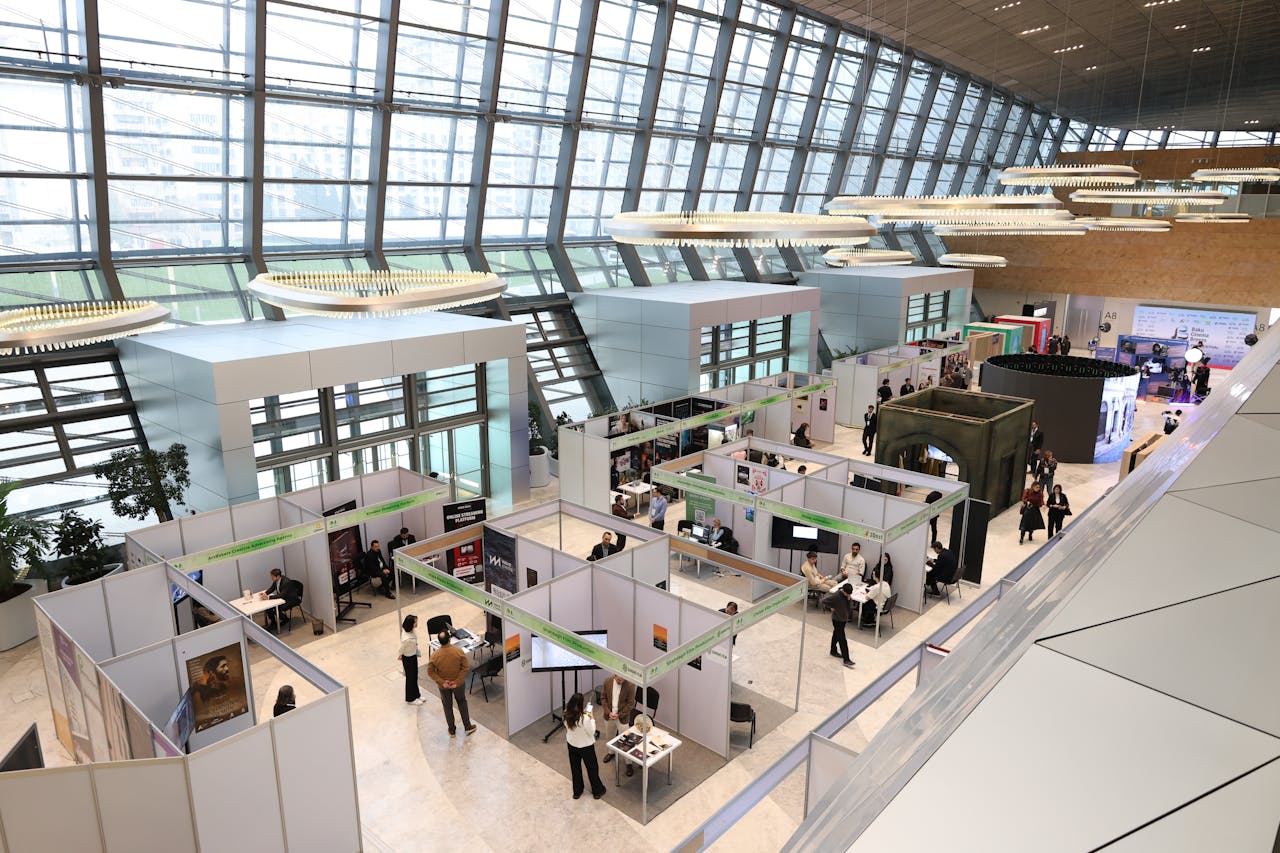
    trade show inflatable marketing display at a large expo event

    Trade show inflatable marketing has crossed a tipping point in 2026, with industry analysts and event marketing publications confirming that oversized, three-dimensional displays are no longer a novelty — they are an expected centerpiece of any competitive booth strategy. Trade show inflatable marketing strategies are evolving rapidly.

    The impact of trade show inflatable marketing on brand visibility cannot be overstated.

    According to experts, trade show inflatable marketing is crucial for attracting attention and engaging attendees effectively.

    Sources

  • Spring 2026 Real Estate Market Shifts: What Home Builders and Marketers Need to Know Now


    Spring 2026 Real Estate Market Shifts: What Home Builders and Marketers Need to Know Now

    Spring 2026 Real Estate Market Shifts: What Home Builders and Marketers Need to Know Now

    By Arizona Balloon Company (arizonaballoon.com) — April 6, 2026

    Spring 2026 real estate market showing homes for sale with yard signs and open house activity

    The Spring 2026 Real Estate Market Is Rebalancing

    The real estate market spring 2026 has arrived at a genuine inflection point. After years of historically constrained inventory, frenzied pandemic-era bidding wars, and stubbornly high mortgage rates, the U.S. housing market is finally shifting toward something closer to balance. For home builders, real estate professionals, and marketing decision-makers, the dynamics of this spring selling season carry significant implications for how, where, and how loudly you compete for buyer attention.

    According to research from Realtor.com, the week of April 12–18, 2026 is projected to be the single best week of the year to list a home for sale, delivering sellers a combination of stronger buyer demand, faster sale times, and reduced competition from other listings than at any other point in the calendar. Homes listed during that window are expected to sell for an average of 6.6% more than those listed at the start of the year — roughly $26,000 more in dollar terms — and attract approximately 16.7% more buyer views than a typical week.

    That concentration of buyer activity creates a compressed, competitive window that rewards builders and sellers who show up visibly, credibly, and early. Whether you are moving spec homes, opening a new community, or competing in a crowded local market, the spring 2026 selling season will not wait for slow marketing plans to catch up.

    Inventory Is Climbing — But Not Evenly Across the Country

    One of the defining features of the real estate market spring 2026 is rising inventory — and the geographic divergence that comes with it. According to ResiClub Analytics, national active home listings rose 8.1% year over year between March 31, 2025 and March 31, 2026, representing a meaningful shift in buyer leverage across many markets. However, that figure masks significant regional variation.

    As of late March 2026, eleven states had active inventory levels that surpassed pre-pandemic 2019 norms: Arizona, Colorado, Florida, Idaho, Nebraska, Oklahoma, Oregon, Tennessee, Texas, Utah, and Washington. In these Sun Belt and Mountain West markets, increased supply has introduced pricing softness and in some cases outright year-over-year price declines. Meanwhile, much of the Northeast and Midwest remains supply-constrained, with sellers still holding leverage and prices continuing to edge upward.

    Nationally, the median list price held at approximately $419,000, while the median price of newly listed homes came in at $399,900, signaling that sellers are pricing more competitively as competition for buyers increases. Price reductions affected about 34.2% of active listings — nearly identical to the same week in 2025 — and the median days on market remained around 91 days. That is a balanced pacing environment where negotiation has replaced urgency, and where differentiated marketing makes the difference between a listing that moves and one that sits. Learn more about giant advertising balloons for new home communities that help builders draw traffic before a sign goes in the ground.

    Spring 2026 real estate market showing homes for sale with yard signs and open house activity

    What This Means for Home Builders Right Now

    Home builders face a nuanced operating environment in spring 2026. On one hand, the National Association of Home Builders projects approximately 1.05 million new homes will be completed this year — a 4% increase over 2025 — suggesting continued construction momentum. On the other hand, resale inventory is rising in many of the same Sun Belt markets where builders have been most active, creating direct competition for the same buyers that new communities are courting.

    J.P. Morgan’s head of Securitized Products Research, John Sim, noted that builder incentives such as rate buydowns — where builders pay upfront to lower a buyer’s mortgage rate — are becoming standard tools to move inventory in this environment. Roughly 60% of builders are now offering some form of concession to close deals, according to RCLCO Real Estate Consulting. That shift puts a premium on driving qualified foot traffic to model homes, sales offices, and community events, because incentive programs only work when buyers are actually in the room.

    The window for capturing that traffic is narrowing. With buyer confidence improving — real estate agent surveys tracked by NAR show buyer confidence jumping from 27% to 37% year over year — the buyers who show up this spring are increasingly ready to act, provided they feel confident in their choice. That makes the first impression of a community entrance, a model home, and a sales event more consequential than it has been in years.

    Buyer Behavior Is Cautious but Active — And Increasingly Selective

    Redfin’s early 2026 market tracking describes a housing market where buyers are engaged but deliberate. The typical home sold in January 2026 spent 64 days on the market — the longest span in six years — and more than 42,000 homebuying contracts fell through in February alone, equal to nearly 14% of all homes under contract that month. That is the highest cancellation rate for February since Redfin began collecting data in 2017.

    Buyers are requesting inspections, negotiating on price, and walking away from deals that don’t feel right. Redfin’s chief economist, Daryl Fairweather, noted that overall conditions are more favorable for buyers in 2026 than in recent years, with home prices rising more slowly than wages and overall inflation. The 30-year fixed mortgage rate stands at approximately 6.38% as of late March 2026 — elevated by geopolitical uncertainty, including disruptions tied to conflict in the Middle East — but still lower than the 6.6%-plus rates seen at the same point in 2025.

    For sellers and builders, this translates into a clear directive: buyers need more convincing, more transparency, and more compelling reasons to choose your community over the one down the road. Marketing that is passive, inconsistent, or invisible will not convert this audience. Marketing that stops traffic, communicates lifestyle, and signals activity at a development site is far more likely to turn a curious drive-by into a sales appointment.

    Why Outdoor Visibility Marketing Is a Spring Must for Real Estate

    In a spring market defined by rising competition and a more deliberate buyer, location-based visibility becomes a primary differentiator. New home communities, grand openings, and weekend sales events all depend on one fundamental question: can potential buyers find you, and does your site communicate energy and activity from the road?

    This is where giant advertising blimps and helium marketing inflatables have served home builders as one of the most cost-effective attention tools in the industry. A large helium blimp flying above a model home or subdivision entrance is visible from a mile or more in any direction — providing wayfinding for buyers who are already searching the area and spontaneous exposure for those who are not. Unlike digital advertising, which requires intent and a device, aerial inflatables intercept passive traffic and create immediate curiosity.

    For home builders operating in markets where resale inventory has jumped above pre-pandemic norms — states like Arizona, Texas, Colorado, and Florida — the stakes are particularly high this spring. When buyers have more choices, the communities that generate the most foot traffic on a given weekend are the ones most likely to close deals. Outdoor inflatables, including giant shape balloons, rooftop blimps, and custom-branded marketing balloons, have been a mainstay for new home sales teams precisely because they work across demographics, require no digital connection, and can be deployed on the day of an event without complex logistics.

    Auto dealers, trade show exhibitors, and general businesses have long relied on the same principle: visible presence at the right location, at the right moment, draws more of the right people. Real estate is no different — and with buyer attention at its most concentrated during the April 12–18 window and throughout the spring season, there has rarely been a more targeted opportunity to maximize physical visibility at a sales site.

    What This Means for Your Marketing

    The spring 2026 real estate market rewards marketers who act with speed, visibility, and precision. With buyer activity concentrated in specific high-demand weeks — and with more resale competition in Sun Belt markets than builders have faced in years — the communities, brokerages, and dealers that generate consistent foot traffic will have a measurable advantage over those relying on digital-only strategies. Location-based marketing that intercepts buyers in the physical world is not supplementary in this environment; it is essential.

    For home builders and real estate marketers, the practical implication is straightforward: invest in outdoor, high-visibility marketing tools that work at the community level. Helium advertising balloons placed at community entrances, model home sites, and grand opening events have a proven track record of driving walk-in and drive-by traffic without requiring a buyer to be online, targeted, or opted-in. In a market where buyers are selective but actively touring properties, getting them to your site in the first place is the critical first step.

    The compressed nature of the spring selling season also makes event-based marketing more valuable. A weekend grand opening, a VIP preview event, or a broker open house supported by large-scale aerial marketing inflatables creates urgency, communicates community activity, and signals to passing traffic that something worth seeing is happening right now. As mortgage rates remain volatile and buyer confidence fluctuates with macroeconomic headlines, the communities that project confidence and energy — visibly, from the road — are the ones most likely to capture the buyers who are ready to commit this spring.

    Sources


  • Grand Opening Retail Marketing: Top Strategies Driving Foot Traffic in 2026


    Grand Opening Retail Marketing: Top Strategies Driving Foot Traffic in 2026

    Grand Opening Retail Marketing: Top Strategies Driving Foot Traffic in 2026

    By Arizona Balloon Company (arizonaballoon.com) — April 4, 2026

    Grand opening retail marketing event with crowd and outdoor signage

    Brick-and-Mortar Is Back: The 2026 Grand Opening Surge

    Grand opening retail marketing has entered a new era of ambition and investment. After years of uncertainty in the physical retail sector, major chains and independent operators alike are staging some of the most elaborate store launches in recent memory. Industry data tracked by Growth Factor shows that major chains are expanding aggressively heading into 2026 — Dick’s House of Sport alone has plans for 75 to 100 new concept locations by 2027, while Target is opening dozens of new stores nationwide. Even legacy bookseller Barnes & Noble recorded a 14.3 percent year-over-year increase in store visits in 2024, a signal that in-person retail is firmly in recovery mode. According to a Square survey of U.S. retailers, 78 percent say in-store experiences are central to their future success, and 83 percent of consumers report positive experiences with physical shopping. The message from the market is clear: the grand opening is not a formality — it is a strategic inflection point.

    This resurgence is not happening in a vacuum. Retailers are opening stores at a time when consumers are cautious with spending, value-conscious, and increasingly selective about where they invest their time. That dynamic raises the stakes for launch events considerably. A store that fails to generate genuine opening-day momentum risks spending months trying to recover an audience it never earned. Visit Arizona Balloon Company to explore how aerial marketing tools can help new locations make an immediate, high-visibility impression from day one.

    Experiential Strategy Is Now the Standard

    The industry shift most relevant to marketing managers planning a launch in 2026 is the normalization of experiential retail. What was once a differentiator reserved for flagship locations has become the baseline expectation for any serious grand opening. According to retail analytics firm GrowthFactor, today’s successful store openings combine data-driven location intelligence with experiential concepts that give customers reasons to visit beyond convenience alone. Dick’s House of Sport stores, which routinely exceed 100,000 square feet, feature rock climbing walls, golf simulators, and outdoor turf fields — environments where products are tested through lived experiences rather than viewed on shelves. V-Count, a retail analytics provider, notes that the best grand opening strategies share a common thread: they combine spectacle with structure, giving visitors a reason to show up while giving operators the data to measure what worked.

    For smaller retailers and regional operators, this does not mean a mandate to build a climbing wall. It means building a day-of experience that is memorable, community-connected, and visually compelling enough to earn social sharing. Shopify’s 2026 grand opening planning guide reinforces this point directly, noting that a grand opening is a proven marketing tactic that can build early buzz, grow an email list, and connect a business to its local community — but only if the event is designed to do those things intentionally. Ribbon-cutting alone no longer moves the needle.

    Grand opening retail marketing event with crowd and outdoor signage

    Outdoor Visibility: The First Battle Every New Store Must Win

    Before any interior experience can matter, a new retail location must solve a more fundamental problem: it must be seen. Retail signage and outdoor advertising experts consistently identify visibility as the primary challenge for new storefronts. Shoppers in 2026 are navigating busy roads, crowded commercial corridors, and an environment saturated with digital content on their phones. If a new store does not signal its presence loudly and clearly from the exterior, a significant portion of passing traffic will never register that it exists.

    OneTouchPoint, a retail marketing services firm, emphasizes in its grand opening planning resources that exterior visibility must be treated as its own distinct campaign layer — from banners over the entrance to signage at the road level that captures attention from moving vehicles. The goal, as the firm states plainly, is to make it obvious that something new is happening and give people a reason to walk in. This is where physical, large-format marketing tools earn their place alongside digital campaigns. The stores that generate opening-week foot traffic typically combine digital pre-launch awareness with on-site physical presence that is impossible to ignore from the street or parking lot.

    Multichannel Launch Planning: Online Meets On-Site

    The retailers generating the strongest grand opening results in 2026 are not choosing between digital and physical marketing — they are running both simultaneously as a unified strategy. Deloitte’s Q3 2025 Retail and Consumer Products report identified what it calls the most authentically omni-shopping generation in Gen Z, which blends digital discovery with a strong preference for in-person engagement. Sixty-four percent of Gen Z shoppers use social media to research products before purchase, yet the same cohort overwhelmingly prefers to complete those purchases in person. This means a grand opening strategy that invests heavily in pre-launch social media buzz but neglects the physical on-site experience on launch day is only solving half the problem.

    OneTouchPoint’s grand opening checklist recommends beginning digital outreach 60 to 90 days before launch with paid search, social media campaigns, and direct mail, then complementing those digital touchpoints with in-store and exterior physical marketing that sustains momentum once the doors open. The NRF’s 2025 retail predictions echo this omnichannel imperative, noting that social commerce is thriving as platforms evolve into dynamic shopping destinations where discovery, engagement, and purchase intersect. For new store launches, the implication is that digital buzz must translate into a physical event that delivers on the promise.

    How Helium Advertising Balloons Amplify Grand Opening Events

    Within the toolkit available to retail marketers planning a grand opening, aerial marketing remains one of the most cost-effective and attention-commanding options available. Helium advertising balloons and cold-air inflatable blimps serve a specific and important function in the grand opening context: they make a retail location unmissable from a distance. At heights ranging from 50 to 500 feet, a tethered advertising balloon above a new store is visible from major roads, freeway corridors, and adjacent parking areas — extending the effective reach of a grand opening event well beyond what ground-level signage can achieve alone.

    This matters because, as retail analytics consistently show, grand opening traffic is heavily impulse-driven. Many first-day visitors were not scheduled to visit the store — they saw something from the road that caught their attention and made an unplanned stop. A large-format aerial display creates exactly that kind of spontaneous awareness. For retailers opening in competitive commercial corridors — strip centers, power centers, or high-traffic suburban intersections — an advertising blimp or giant inflatable functions as a beacon that says, loudly and clearly, that something is happening at this location today. For home builders opening a model home, auto dealers launching a new location, or general retailers staging a grand opening, the aerial advantage is straightforward: altitude equals visibility, and visibility equals foot traffic.

    The strategic value compounds when aerial marketing is paired with a broader multichannel campaign. A consumer who sees a social media post about a grand opening in the morning is far more likely to stop and visit when they drive past the location and see a giant balloon above the roofline in the afternoon. The aerial element serves as a real-world confirmation of the digital message — it closes the loop between awareness and action.

    What This Means for Your Marketing

    For marketing managers and business owners planning a retail grand opening in 2026, the core strategic principle is layered presence. Digital campaigns generate pre-launch awareness and drive intent, but they do not drive foot traffic on their own. The physical location must do its part on launch day — and that means investing in exterior visibility tools that work at the scale of the surrounding environment, not just at the scale of a sidewalk sign or window cling. In a competitive retail corridor, a store that looks closed from the road on opening day is effectively closed to anyone who did not already know it existed.

    Outdoor and location-based marketing tools — including helium advertising balloons and aerial marketing blimps — occupy a unique position in a grand opening media mix because they operate at a scale that no digital channel can replicate. They are seen by drivers, not just scrollers. They communicate energy, celebration, and newness in a way that is immediately legible to anyone within visual range, without requiring any device, app, or prior awareness of the brand. For retailers targeting impulse visitors, commuters, and local shoppers who make decisions based on what they see rather than what they planned, this kind of physical presence is not optional — it is foundational.

    The 2026 retail landscape rewards operators who treat grand openings as multi-week campaigns rather than single-day events. Start your digital outreach 60 to 90 days in advance. Use direct mail to reach households within your trade area. Build an on-site physical presence that is visible and celebratory from the moment a customer approaches your parking lot. And after opening week, sustain momentum with continued promotions, community engagement, and ongoing outdoor marketing that keeps foot traffic elevated through the critical first 90 days. The stores winning in this environment are the ones that show up — loudly and consistently — both online and in person.

    Sources


    Grand opening retail marketing strategies must adapt to current consumer trends.

    Building anticipation prior to the grand opening is vital for effective retail marketing.

    Grand opening retail marketing should create a festive atmosphere to draw in crowds.

    Grand opening retail marketing requires a clear call-to-action for potential customers.

    Using email campaigns can boost attendance at grand opening retail marketing events.

    Grand opening retail marketing should highlight unique selling propositions of the store.

    Incorporating community feedback enhances grand opening retail marketing strategies.

    Grand opening retail marketing events can feature live entertainment to attract crowds.

    Grand opening retail marketing should engage customers through interactive experiences.

    Measuring success in grand opening retail marketing helps refine future strategies.

    Grand opening retail marketing can leverage influencer partnerships to expand reach.

    Grand opening retail marketing events should focus on creating a unique customer journey.

    Collaborating with local businesses can enhance grand opening retail marketing.

    Grand opening retail marketing should include attractive signage and promotional offers.

    Utilizing social media enhances grand opening retail marketing efforts.

    Grand opening retail marketing provides a platform for engaging with the community.

    Investing in grand opening retail marketing can lead to long-term customer loyalty.

    Grand opening retail marketing tactics should be well-planned to maximize impact.

    Effective grand opening retail marketing creates memorable experiences for shoppers.

    Utilizing grand opening retail marketing can significantly boost your store’s visibility.

    Grand opening retail marketing strategies are essential for attracting customers.

  • Trade Show Booth Marketing Trends Reshaping Exhibitor Strategy in 2026


    Trade Show Booth Marketing Trends Reshaping Exhibitor Strategy in 2026

    By Arizona Balloon Company (arizonaballoon.com) — April 3, 2026

    trade show booth marketing at a large U.S. convention center

    The Big Shift: Trade Show Booth Marketing Enters a New Era

    Trade show booth marketing in the United States is undergoing one of its most significant transformations in decades. According to a detailed analysis by EMC Outdoor published in late 2025, the traditional booth-and-badge model that defined exhibition strategy for a generation is rapidly becoming obsolete. Attendees now arrive with consumer-grade expectations shaped by platforms like Amazon and Netflix—they want friction-free experiences, personalized agendas, and measurable value from every hour invested on the show floor. For marketing managers and business owners heading into the 2026 trade show season, understanding these shifts is not optional; it is the foundation of a competitive exhibitor strategy.

    The broader context is encouraging. Major U.S. shows have largely recovered from pandemic-era disruptions. According to industry analysts at Taylor Corporation, events such as CES in Las Vegas, HIMSS in healthcare IT, and PACK EXPO in manufacturing have reported attendance figures approaching pre-pandemic levels. Exhibitors are returning with a sharper focus, prioritizing qualified lead generation over sheer foot traffic volume. Meanwhile, in-person events continue to dominate marketer preferences, with nearly 60 percent of event planners favoring fully in-person formats over virtual or hybrid alternatives.

    For businesses that exhibit at trade shows—from tech companies to home builders—the window to adapt is now. Winning in 2026 requires a holistic strategy that begins well before setup day and extends long after the show floor goes dark. It also requires thinking beyond the booth itself, including how your brand registers in the convention center parking lot, at nearby hotels, and along the traffic corridors your audience travels to reach the event. That is where advertising blimps and aerial marketing inflatables are earning a second look from savvy exhibitors.

    Industry reporting from EMC Outdoor, Event Marketer, and MOO Business Services identifies a converging set of forces reshaping how exhibitors approach their show presence this year.

    Hyper-personalization is now the baseline. Research cited by EMC Outdoor shows that attendees are roughly 85 percent more likely to return to an event when their experience aligns with their specific goals—yet only about 40 percent say they have ever had such an experience. That gap is the single largest opportunity on the current trade show floor. Generic product demos and passive signage are no longer competitive. Exhibitors who map every touchpoint—from pre-show email outreach to on-site booth interactions to post-show nurture sequences—are seeing measurably better engagement and pipeline outcomes.

    Artificial intelligence is moving from novelty to operational standard. AI adoption among event planners jumped to approximately 50 percent in 2025, according to data referenced by EMC Outdoor. In 2026, AI-powered attendee matching, predictive lead scoring, and real-time sentiment analysis are transitioning from competitive advantages to baseline expectations. Exhibitors still relying on badge-scan counts as their primary metric are losing executive support and budget allocation to teams that can connect show activity directly to CRM pipeline data.

    Immersive, multi-sensory booth experiences are replacing static displays. Event Marketer’s forward-looking analysis highlights a broad shift toward kinetic LED architecture, themed entrance experiences, and brand storytelling that engages attendees through multiple senses. Companies that treat their booth as a narrative environment—not just a product showcase—are consistently generating longer dwell times and stronger post-show recall.

    Brand co-marketing partnerships are growing. In 2026, exhibitors are increasingly joining forces to build larger, bolder event presences that neither could achieve alone. Cross-promotional activations, co-branded giveaways, and shared social media campaigns are extending reach well beyond individual booth footprints.

    Sustainability is a competitive differentiator. More than 80 percent of trade show attendees report that sustainability matters to them when evaluating exhibitors, and nearly three-quarters say they favor events with strong environmental commitments. Modular, reusable booth designs and transparent carbon-impact reporting are moving from aspirational to expected.

    Event budgets are rising, but scrutiny is intensifying. Budget growth is real heading into 2026, but so is executive accountability. Companies that treat trade show participation as a strategic investment—with documented success metrics and contingency plans—are winning budget approvals. Those presenting attendance as an expense line are losing them.

    Pre-show and post-show strategy matter as much as the booth itself. The SmartBrief editorial team noted a decisive industry shift toward what they describe as a “story-first approach”—building a cohesive brand narrative that runs from pre-event outreach through on-site activation and into post-show relationship nurturing. The booth is one chapter, not the whole book.

    trade show booth marketing at a large U.S. convention center

    Outdoor and Aerial Visibility: Standing Out Beyond the Trade Show Booth

    One of the most consistent challenges trade show exhibitors face is visibility outside the convention hall. Tens of thousands of attendees move through hotel districts, parking structures, shuttle routes, and open-air plazas surrounding major U.S. convention venues. The battle for attention does not begin at the booth; it begins the moment your audience steps off a plane or pulls into the venue parking lot.

    This is precisely where helium advertising balloons and tethered marketing blimps have proven effective for exhibitors targeting high-traffic convention environments. A large-format inflatable deployed above a convention center parking area or at a nearby hotel functions as a persistent, high-altitude brand impression that requires no foot traffic inside the venue to deliver its message. Unlike digital ads that compete for fractional seconds of screen attention, an aerial inflatable is visible from a quarter mile or more in any direction, operating continuously for the duration of the show.

    For brands participating in crowded shows where hundreds of exhibitors compete for the same audience, aerial marketing inflatables offer a layer of differentiation that no floor-level signage can replicate. They are particularly well-suited to outdoor activation zones, parking-lot brand camps, and off-site hospitality events that have become a growing part of major trade show strategy. As exhibitors look beyond the booth itself for competitive edge, outdoor aerial advertising is a logical and cost-effective addition to the overall show marketing toolkit.

    ROI Accountability Is Now the Price of Entry for Exhibitors

    The era of measuring trade show success by raw badge scans is effectively over. According to EMC Outdoor’s 2026 trade show marketing analysis, companies still citing scan counts as their primary metric are actively losing executive support. The expectation now is end-to-end measurement: pre-event account-based targeting, AI-powered meeting scheduling, curated on-site peak moments, and post-event automated nurture sequences tied to specific booth and session behaviors.

    Event platforms are enabling a new level of lead intelligence, with scoring models built on session attendance, booth dwell time, and interaction data that feed directly into CRM systems for immediate sales prioritization. For marketing managers tasked with defending trade show budgets to C-suite stakeholders, this shift toward data-driven accountability is demanding new internal competencies—or new agency partnerships—capable of closing the loop between show-floor activity and revenue pipeline.

    The CEIR Index cited by industry sources shows that U.S. trade show attendance is now only 3.7 percent below 2019 levels, a strong recovery signal. However, exhibitor revenue gaps remain larger, driven in part by companies sending smaller delegations and scrutinizing every line item on the show budget. The exhibitors gaining ground are those who can demonstrate clear, documented ROI from every dollar invested—including their marketing and visibility spend surrounding the event.

    Sustainability Moves from Buzzword to Trade Show Brand Differentiator

    Sustainability strategy at trade shows has crossed a meaningful threshold in 2026. It is no longer a reputational nicety reserved for green-focused brands; it is a purchasing and sponsorship criterion for a growing share of event attendees and corporate buyers. Event Marketer’s forward-looking editorial identified sustainability as one of the most consequential emerging trends on the 2026 show floor, with carpet recycling programs, modular and reusable booth systems, and carbon-neutral catering all gaining measurable traction among leading exhibitors.

    For exhibitors evaluating their show presence, the practical implication is straightforward: materials, booth design, giveaways, and even shipping logistics are now visible elements of brand identity. Attendees are paying attention, and so are corporate sponsors who are beginning to treat strong green initiatives as a deal qualifier rather than a bonus consideration.

    At the same time, sustainability considerations are opening new conversations about the lifecycle impact of traditional single-use promotional materials. Reusable, high-visibility marketing assets—including large-format inflatables that can be deployed across multiple shows and events over several years—align naturally with the direction in which trade show sustainability strategy is heading. The shift toward durable, multi-event assets is both an environmental and a financial argument for forward-thinking exhibitors.

    What This Means for Your Marketing

    The 2026 trade show landscape rewards exhibitors who think in systems, not moments. The most effective strategies combine pre-show digital targeting with on-site brand experiences that register at multiple levels—inside the booth, outside the convention hall, and across the hospitality ecosystem surrounding the event. If your current trade show plan begins and ends at the booth, you are competing with one hand behind your back against brands building full-funnel show ecosystems.

    Location-based marketing is a particularly underutilized lever for trade show exhibitors. Convention center environs—parking lots, adjacent streets, hotel drop-off zones, and outdoor plazas—represent high-value impression inventory that most exhibitors leave completely blank. Deploying helium advertising balloons or aerial marketing blimps in these outdoor zones creates continuous brand exposure that works independently of whether a given attendee ever enters your booth. For companies with strong brand recognition in their industry, aerial visibility around a major trade show can generate the kind of top-of-mind awareness that converts to booth visits and post-show conversations.

    As trade show budgets rise and executive accountability increases, the brands that will win are those treating every marketing dollar as a trackable investment with a measurable outcome. That discipline applies to outdoor and aerial marketing just as it does to digital. The difference is that a well-positioned inflatable blimp above a convention parking lot is impossible to scroll past—and that kind of guaranteed impression, at scale, is increasingly difficult to find anywhere else in the modern marketing mix.

    Sources


  • Out of Home Ad Spend


    US Out-of-Home Ad Spend Hits $4 Billion in 2026 — And Traditional Formats Are Still in the Game

    By Arizona Balloon Company (arizonaballoon.com) — April 2, 2026

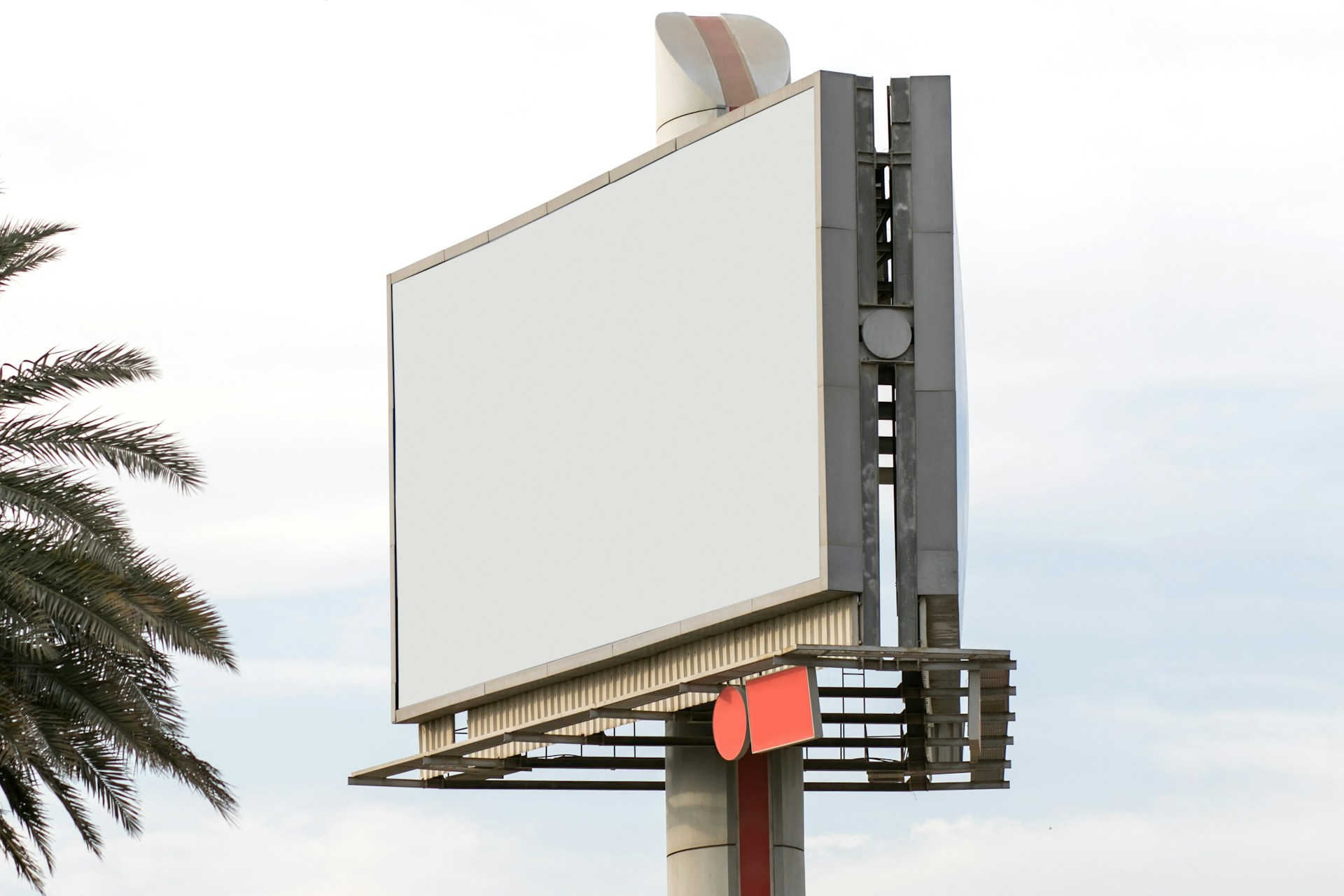
    out of home ad spend-Outdoor advertising displays along a busy urban street, showing billboards and signage targeting consumers in public spaces

    US OOH Reaches a $4 Billion Milestone

    US out-of-home advertising spending is projected to reach $4 billion in 2026, a 4.1% increase year-over-year, according to new data published in March 2026 by Guideline, a media intelligence platform that tracks more than $110 billion in annual ad spend sourced directly from holding companies and independent agencies. The figure marks a steady continuation of growth that has averaged roughly 4% annually since 2022, when the category stood at $3.4 billion.

    The report confirms that OOH is the only non-pure-digital advertising format expected to grow at all in 2026. Radio, print, and linear television are collectively forecast to contract by 3.5%, while performance digital channels — search, social, streaming audio, connected television, and programmatic — are projected to expand 6.7%. OOH occupies a distinct middle position: consistently growing in absolute dollars while competing in an ad market expanding faster around it.

    The Digital vs. Traditional Split

    The headline growth number conceals a sharp divide within the OOH category. Digital out-of-home formats are projected to expand 14.5% in 2026, while traditional formats — static billboards, banners, posters, and non-screen physical displays — are forecast to grow just 1.5%. That nearly ten-to-one ratio reflects a structural shift that has been accelerating since at least 2017, when digital formats accounted for only 7% of total US OOH ad spend. By 2025, that figure had climbed to 20%, with digital capturing 55% of all OOH revenue growth between 2024 and 2025, per the Guideline data.

    However, the DOOH deceleration is also real. Guideline’s report describes digital’s growth trajectory as “healthy but decelerating,” citing limited inventory as a structural constraint on how quickly the market can absorb advertiser demand. Despite extensive programmatic infrastructure expansion in 2025 and early 2026 — including major platform acquisitions and new screen partnerships — supply-side bottlenecks continue to slow adoption.

    Growing Dollars, Shrinking Market Share

    One of the most striking findings in the Guideline report is what analysts describe as a market-share paradox. Although OOH has posted year-over-year revenue gains every year since 2022, its share of total US media expenditure has declined. OOH represented 3.1% of all US media spend in 2022 and had slipped to 2.7% by 2025 — a loss of 40 basis points over three years even as the category posted consistent absolute growth.

    Guideline calculates that OOH lost roughly $500 million in market share since 2022 and $1.3 billion since 2017. The cause is straightforward: the broader advertising market has grown faster than outdoor. For marketing decision-makers, this framing matters. Outdoor advertising is not shrinking — but it is competing for a share of budgets in an environment where digital performance channels are absorbing an outsized portion of new spending.

    Where the Budgets Are Coming From

    Guideline’s source-of-volume analysis tracks specific budget flows feeding OOH growth. Between 2024 and 2025, television contributed $248 million in net dollars shifting into OOH, while digital performance channels represented a net outflow of $104 million. Industries identified as high-growth OOH spenders include banking, non-health insurance, and discount retail — categories that rely on geographic reach and high-frequency visibility to drive consumer behavior.

    Separately, independent research from Keen Decision Systems found that OOH advertising achieves a marginal ROI of $7.58 per incremental dollar invested, compared with a cross-channel average of $5.52. That ROI credential is increasingly cited by media planners as a justification for maintaining or growing outdoor allocations even as digital spending pressure intensifies.

    Why Physical Formats Still Win on the Ground

    For businesses that operate in local or regional markets — home builders promoting new communities, auto dealers drawing traffic to a lot, trade show exhibitors competing for booth visitors — the relevance of macro OOH data comes down to a practical question: what gets noticed by people who are physically present in a specific place, at a specific moment?

    The Guideline report’s own budget-loss analysis offers a revealing data point. Of traditional OOH budgets that migrated away from the format in 2025, only 1% were reinvested into digital out-of-home. The remaining 99% shifted to social, programmatic search, and other digital channels — environments with no guaranteed physical presence. This gap represents an ongoing opportunity for location-anchored physical advertising formats that screen-based digital cannot replicate. High-visibility physical assets — large-format inflatables, aerial signage, and advertising balloons positioned at a sales center, event venue, or high-traffic corridor — operate in the same “unblockable” physical space that makes static billboards valuable, but with the added advantage of vertical visibility and the novelty that draws eyes. Unlike a screen, a large helium balloon or marketing blimp visible from a highway or across a subdivision cannot be scrolled past, filtered out, or served to the wrong audience.

    What This Means for Your Marketing

    The Guideline data confirms that out-of-home advertising is a durable channel in a volatile media landscape. For businesses making location-based marketing decisions in 2026 — whether promoting a grand opening, a model home, a dealership event, or a trade show appearance — the strategic implication is clear: physical presence in the right place still drives measurable outcomes that digital alone cannot replicate. OOH’s $7.58 marginal ROI figure is a headline number worth putting in front of any budget committee skeptical of spending outside digital channels.

    The growing split between digital and traditional OOH also signals opportunity rather than threat for businesses that rely on physical foot-traffic conversion. As larger advertisers chase programmatic DOOH inventory, competition for attention in the physical, non-screen space becomes less crowded — not more. Local businesses, home builders, auto dealers, and event marketers who deploy distinctive, high-visibility physical advertising assets hold an advantage in precisely the environments where their customers are making purchase-influencing decisions in real time.

    For businesses exploring what large-format physical outdoor advertising can look like in practice, helium advertising balloons and aerial marketing blimps offer a proven, attention-commanding format that complements any broader OOH or experiential strategy. As the overall OOH market grows toward and beyond $4 billion, the fundamentals that make physical outdoor advertising effective — visibility, geographic precision, and an inability to be ignored — remain unchanged.

    Sources