Sustainable Outdoor Marketing Is Reshaping U.S. Brands in 2026
By Arizona Balloon Company | arizonaballoon.com — June 22, 2026
Green Marketing Is Surging — and So Is Consumer Scrutiny
Sustainable outdoor marketing has become one of the most competitive arenas in American business this year. The global green marketing sector is valued at approximately $58.68 billion in 2026, and the United States leads the charge, with sustainability influencing the purchasing decisions of roughly 82% of American consumers before they buy. That is not a niche demographic — it is the mainstream. Marketing managers who ignore this shift are ceding ground to competitors who have already adjusted their brand messaging, event strategies, and physical advertising footprint to reflect environmental responsibility.
The momentum is real and documented. Sustainable products grew 2.7 times faster than conventional products over recent years, capturing a 32% share of overall market growth. Interest in the search term “eco-friendly” hit its highest point in five years as recently as mid-2025, according to Google Trends data cited by Shopify. Meanwhile, nearly 63% of companies have increased their sustainability-focused marketing budgets, and 75% of advertising campaigns now include some form of sustainability messaging. For business owners and marketing decision-makers, the strategic question has shifted from whether to pursue green marketing to how to do it credibly and cost-effectively.
The payoff for brands that get it right is substantial. Sustainable brands grow 5.6 times faster than conventional competitors, and 74% of companies that pursue authentic eco-campaigns report positive outcomes. The data makes a compelling case for action — provided the messaging is grounded in verifiable practices rather than hollow slogans.
The Trust Gap: Why Vague Eco-Claims Are Backfiring
The single largest obstacle to capitalizing on the green marketing wave is a widening trust gap between brands and consumers. According to multiple independent surveys, only about one in five consumers currently believes the environmental claims made by brands. Approximately 57% of consumers distrust green marketing claims outright, and 59% suspect that companies routinely exaggerate their sustainability commitments. Regulators in the United States, United Kingdom, and Australia have all increased enforcement activity targeting misleading environmental advertising.
This trend toward accountability accelerated in 2025 and has carried into 2026. High-severity greenwashing cases — those involving deliberate concealment of environmental violations — surged by more than 30% globally in 2024. North America and Europe together recorded a 27% increase in high-severity incidents. The Federal Trade Commission maintains guidelines requiring that environmental marketing claims be truthful and backed by reliable evidence, and state-level legal actions, such as the ExxonMobil lawsuit in Connecticut, are setting precedents that could redefine liability for misleading eco-advertising.
The lesson for marketing teams is clear: vague descriptors like “green,” “natural,” or “eco-friendly” without supporting evidence are no longer a safe harbor. Brands that pair real environmental action with honest, specific marketing communication are the ones building durable customer loyalty. Third-party certifications, transparent progress reporting, and visible, locally rooted outdoor campaigns are emerging as the most credible approaches.

Outdoor Advertising Goes Green in 2026
Within the broader marketing landscape, outdoor and out-of-home advertising is experiencing its own green transformation. The global outdoor advertising market was valued at approximately $43.3 billion in 2025 and is projected to reach $71.2 billion by 2034, growing at a compound annual rate of 5.5%. Much of that momentum is now intersecting with sustainability priorities. Major brands are switching to recyclable materials, energy-efficient LED displays, and solar-powered installations as standard practice rather than premium upgrades.
Industry analysts at multiple research firms confirm that sustainability has become a defining factor in outdoor advertising strategy for 2026. Advertisers are responding to both regulatory sustainability requirements and growing demand from eco-conscious businesses for responsible media partnerships. The shift is also commercial: consumers recall outdoor placements more readily when the physical advertising medium itself signals environmental alignment with the brand’s values. A campaign that preaches green business practices while plastered on a wasteful or disposable structure sends a contradictory message.
For brands in sectors such as home building, real estate development, and automotive retail, where large-format outdoor advertising has always driven foot traffic and grand-opening awareness, the pressure to align physical marketing tools with sustainability values is intensifying. The good news is that effective, high-visibility outdoor options exist that carry a far lighter environmental footprint than many traditional alternatives.
How Helium Advertising Balloons Give Eco-Brands a Visible Edge
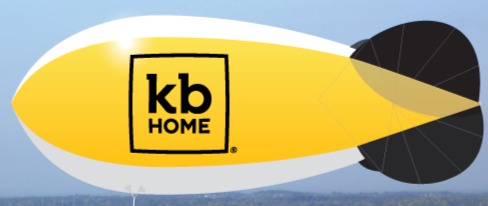
One of the most practical and underutilized tools in sustainable outdoor marketing is also one of the oldest: the large-format inflatable. Helium advertising balloons and cold-air inflatables are manufactured from durable, long-lasting vinyl and polyester materials that are designed to be used repeatedly over many years, not discarded after a single event. Unlike printed banners that end up in landfills after a single campaign or disposable promotional items that contribute to waste streams, a quality advertising blimp or balloon can serve a brand across dozens of events with minimal additional resource consumption.
The visibility advantages are immediate and measurable. A large helium balloon or aerial marketing blimp rises above the visual clutter of street-level signage, creating a landmark effect that draws customers from a wide radius. For a home builder hosting a model home opening, an eco-aligned company exhibiting at a trade show, or an auto dealer running a weekend event, the aerial signal is unmistakable. The advertising medium itself becomes a talking point — a physical demonstration that the brand is willing to invest in prominent, reusable, high-quality marketing infrastructure rather than disposable materials.
Eco-conscious brands can further reinforce their green credentials by choosing inflatables printed with water-based inks, sourcing from manufacturers who provide documented material data sheets, and committing to a rental or lease model that keeps the same unit circulating rather than purchasing new displays for every event. This approach directly mirrors the circular economy principles that sustainability-minded consumers and regulators now reward.
Practical Applications: From Home Builders to Auto Dealers
The most active users of large-format outdoor inflatables are precisely the businesses that stand to benefit most from green marketing credibility. Home builders launching new communities face a growing base of buyers who research a developer’s environmental practices before signing a contract. A grand opening event anchored by a reusable helium blimp bearing eco-certified messaging — net-zero construction, solar-ready homes, green materials — creates a high-visibility, photogenic moment that travels through social media far beyond the event itself.
Trade show exhibitors competing in sustainability-focused industries face similar pressure. Floor space at major expos is crowded and expensive. Brands that invest in eye-catching aerial inflatables above their booth draw attendees who would otherwise walk past. The visual dominance of a well-designed advertising blimp translates directly to more conversations, more lead captures, and better brand recall after the show.
Auto dealers promoting hybrid and electric vehicle lines are another primary beneficiary. A large inflatable displayed above a dealership during an EV launch event visually signals that this location is worth visiting, reaching thousands of drivers passing by on adjacent roads. The longevity of the inflatable — the same unit can be deployed for every seasonal promotion — means the per-use cost drops sharply over time, making it one of the more cost-efficient formats in a dealership’s outdoor advertising toolkit. For businesses across all these verticals, the combination of high reach, reusability, and versatility makes aerial inflatables a logical fit within a sustainable marketing strategy.
What This Means for Your Marketing
The green marketing surge of 2026 is not simply a consumer trend to monitor; it is a strategic imperative that is reshaping where advertising budgets go, which media formats get selected, and how brands are held accountable for their messaging. For business owners and marketing managers, the immediate priority is to audit all outdoor and location-based marketing activities for consistency. Any brand positioning itself as eco-conscious but relying on disposable, single-use promotional materials is sending a mixed signal that increasingly sharp consumers will notice and that social media will amplify.
Outdoor and location-based marketing remains one of the highest-impact channels available for driving foot traffic, event attendance, and brand recall. The key in 2026 is choosing formats that align with sustainability values rather than undermine them. Reusable large-format inflatables, repurposable banners with documented material sourcing, and event marketing tools designed for multi-year use all check the boxes that eco-aligned brands need. Helium advertising balloons from a reputable manufacturer or rental source represent exactly this type of investment — highly visible, reusable, and easy to brand consistently across multiple events and locations throughout the year.
The most effective sustainable outdoor marketing programs in 2026 are combining authentic environmental commitments with bold physical visibility. Brands that can prove their green practices and then make themselves impossible to miss at a grand opening, trade show, or sales event are capturing both the attention and the loyalty of an increasingly discerning buyer base. The infrastructure for that kind of campaign does not need to be complicated — it needs to be genuine, visible, and built to last.
Sources
- Business Research Insights — Green Marketing Market Size & Forecast, 2026
- Shopify — Green Marketing in 2026: Definition & Strategies
- The Roundup — 52 Huge Environmentally Conscious Consumer Statistics 2026
- Elexyfy — Recent Greenwashing Examples in 2025 & What to Watch in 2026
- Adopter Climate Tech Marketing — 45 Greenwashing Statistics You Need to Know in 2026
- Marketing LTB — Green Marketing Statistics 2026: 99+ Stats & Insights
- The Creative Stable — Advertising Outdoor Guide: Strategies for Impact in 2026