Trade Show Booth Visibility Becomes a Bigger Challenge as Shows Sell Out
Arizona Balloon Company (arizonaballoon.com) — August 4, 2026
A Sold-Out Trade Show Signals Rising Competition
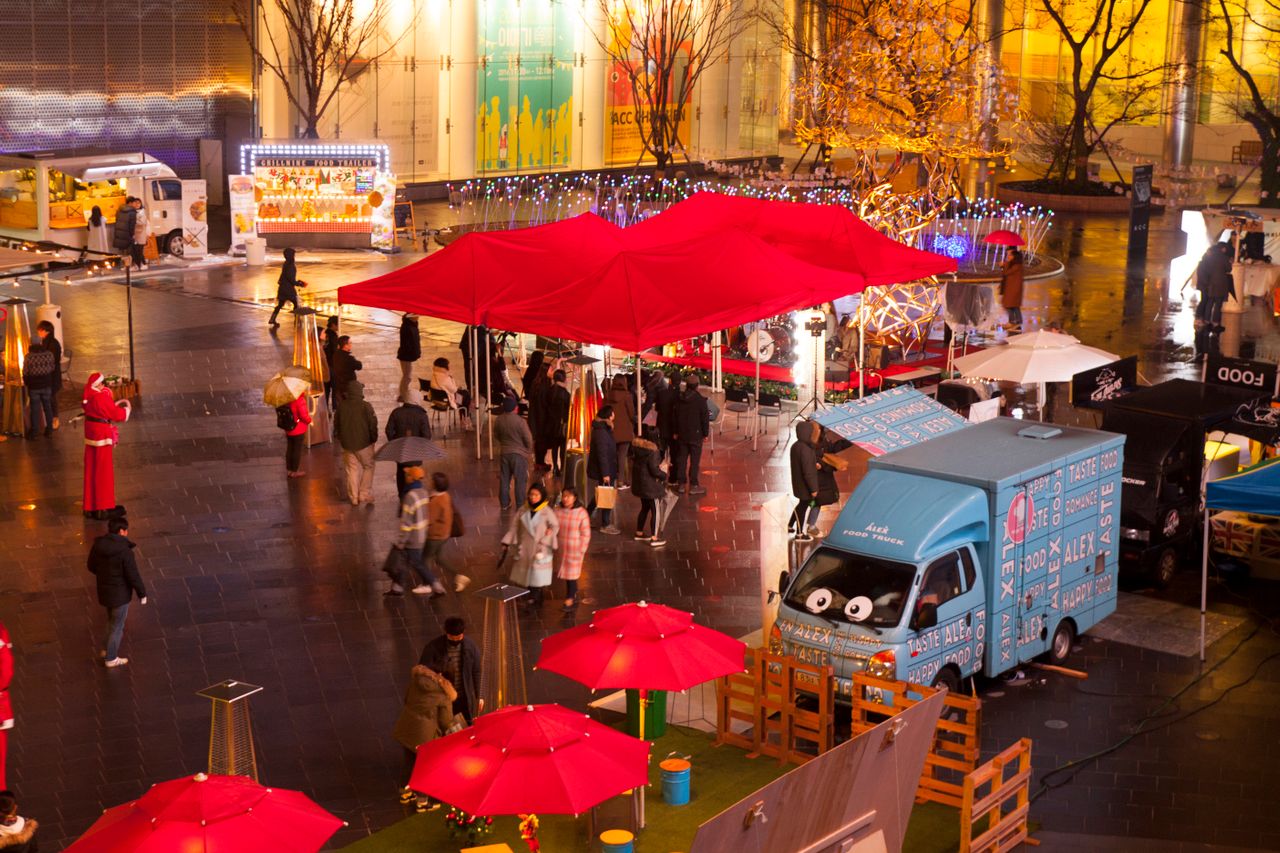
Trade show booth visibility is becoming a harder problem to solve as major U.S. exhibitions report record turnout. The Atlanta Shoe Market (TASM), one of the footwear industry’s key trade events, is heading into another sold-out edition on August 15-17, 2026, with roughly 1,100 registered exhibitors representing 1,800 brands. Retailer registrations are also climbing, up about 5 percent from the prior show, according to TASM executive director Laura Conwell O’Brien. The exhibitor waitlist has swelled past 60 brands, driven largely by international vendors looking for a foothold in the U.S. market.
For companies that plan trade show appearances as part of their annual marketing calendar, this kind of growth is a signal worth paying attention to. When more exhibitors compete for the same buyer traffic, a well-placed booth is no longer enough on its own. Businesses that want their presence noticed are increasingly investing in strategies that extend visibility beyond the four walls of a standard booth space, a shift that companies exploring helium advertising balloons are already putting into practice.
What Record Exhibitor Demand Means for Booth Visibility
TASM’s growth is not an isolated case. Industry-wide data shows event budgets are expected to rise in 2026, with a strong majority of planners preferring in-person formats over virtual or hybrid alternatives. That preference is filling exhibition halls even as some venues undergo renovation and expansion to keep pace, as is the case at TASM’s host site, the Cobb Convention Center. The venue is adding a junior ballroom, eleven meeting rooms, and an executive boardroom totaling 24,000 square feet, with construction expected to wrap by early 2027.
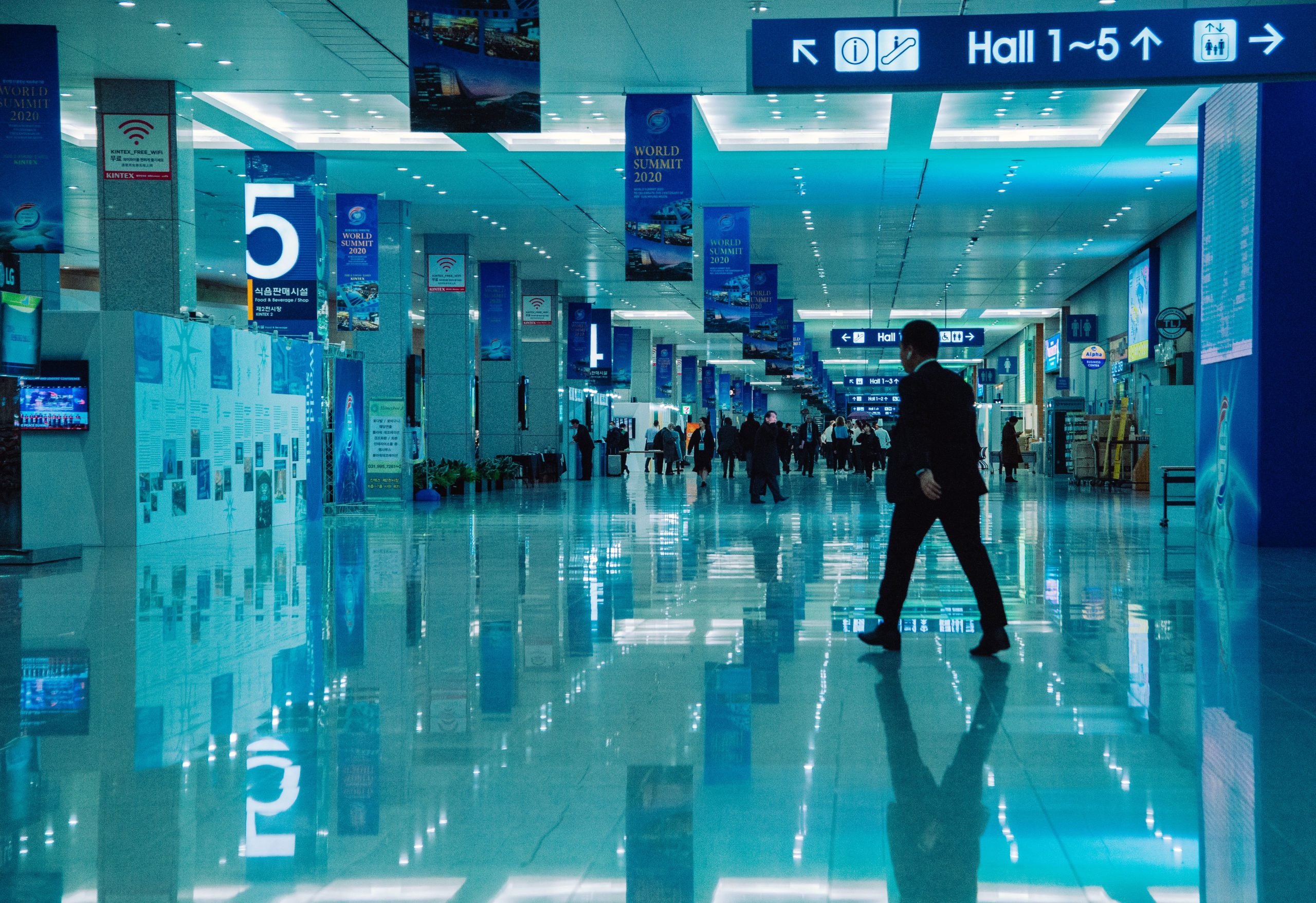
More exhibitors and steady attendee recovery sound like good news for the trade show economy overall, and largely they are. But for individual businesses on the floor, it means the visual competition for attendee attention is intensifying every season. A booth that once stood out in a half-full hall can now be lost in a sea of nearly identical 10×10 and 10×20 displays.
Crowded Floors Make Standing Out Harder
Booth design experts have long pointed to visual impact as one of the top factors in attracting foot traffic. Roughly 48 percent of exhibitors report that eye-catching displays are what pull attendees in, ahead of giveaways or staff outreach. That statistic matters more in a sold-out hall than in a half-empty one, because the number of competing visual signals on the floor rises in direct proportion to the number of booths.
At the same time, buyers are arriving at shows with more pre-show research already done and more specific agendas in hand. That shift rewards exhibitors who can be spotted quickly from a distance, rather than those who rely on attendees stumbling past a table. A visitor working from a mental checklist of “must-see” booths needs a clear landmark to navigate by, not just a logo at eye level.
Why Elevated Marketing Is Gaining Ground
This is where elevated, above-the-crowd marketing has started to earn a place in exhibitor budgets. Helium balloons, arches, and tethered inflatables give a booth a visual anchor that is visible from across a hall or a parking lot, well before an attendee is close enough to read signage. Unlike floor-level graphics, an elevated marker does not compete for space with neighboring booths; it simply rises above them.
Home builders, auto dealers, and trade show exhibitors already use this tactic at open houses, lot events, and expo floors for the same underlying reason: attention is won at a distance, then converted at the table. As exhibitor counts climb at shows like TASM, that principle applies with even more force. A branded balloon column or a small marketing blimp positioned above a booth can do the work of getting attendees to look up and walk over, freeing booth staff to focus on the conversations that actually close business.
Advice from Event Marketing Insiders
Event marketing analysts covering the 2026 season have made a similar point in broader terms: booth design is only half the equation for winning attention on a crowded floor, and open sightlines paired with vibrant, easily recognizable displays are what separate a memorable booth from a forgettable one. That advice lines up closely with what TASM’s own exhibitor growth suggests — as competition for buyer attention rises, visual differentiation stops being optional and starts being a baseline requirement for exhibitors who want to be found.
Planning Ahead for 2027 and Beyond
With Cobb Convention Center’s expansion targeted for completion by early 2027, TASM organizers expect the show’s current sold-out format to hold steady until then. That gives exhibitors a predictable runway to plan ahead rather than scrambling each season. Businesses that book premium visual marketing assets, from balloon displays to marketing blimps, well in advance tend to secure better placement and pricing than those who wait until the week of the show.
What This Means for Your Marketing
The lesson from TASM’s sold-out edition applies far beyond footwear. Any business that exhibits at trade shows, hosts a grand opening, or runs a lot event should expect the floor, and the parking lot outside it, to get more crowded before it gets less crowded. Outdoor and location-based marketing tools are built for exactly this environment because they solve the one problem floor-level signage cannot: visibility from a distance, in every direction, without competing for eye-level real estate.
For home builders promoting a new community, auto dealers running a weekend sales event, or trade show exhibitors trying to stand out among a thousand other booths, the same principle holds. A visible landmark above the crowd draws foot traffic before a single conversation begins. That is the core value proposition behind aerial marketing blimps and helium balloon displays: they turn a location into something people notice from across a room, a lot, or a street.
As event budgets rise and shows continue selling out through 2026 and into 2027, the businesses that plan their visual marketing early, rather than treating it as a last-minute add-on, are the ones most likely to convert a crowded floor into a strong lead list.