Category: News

  • Grand Opening Marketing: What Burlington’s 12-Store August Rollout Teaches Retailers

    Grand Opening Marketing: What Burlington’s 12-Store August Rollout Teaches Retailers

    Grand Opening Marketing: What Burlington’s 12-Store August Rollout Teaches Retailers

    By Arizona Balloon Company (arizonaballoon.com) | August 5, 2026

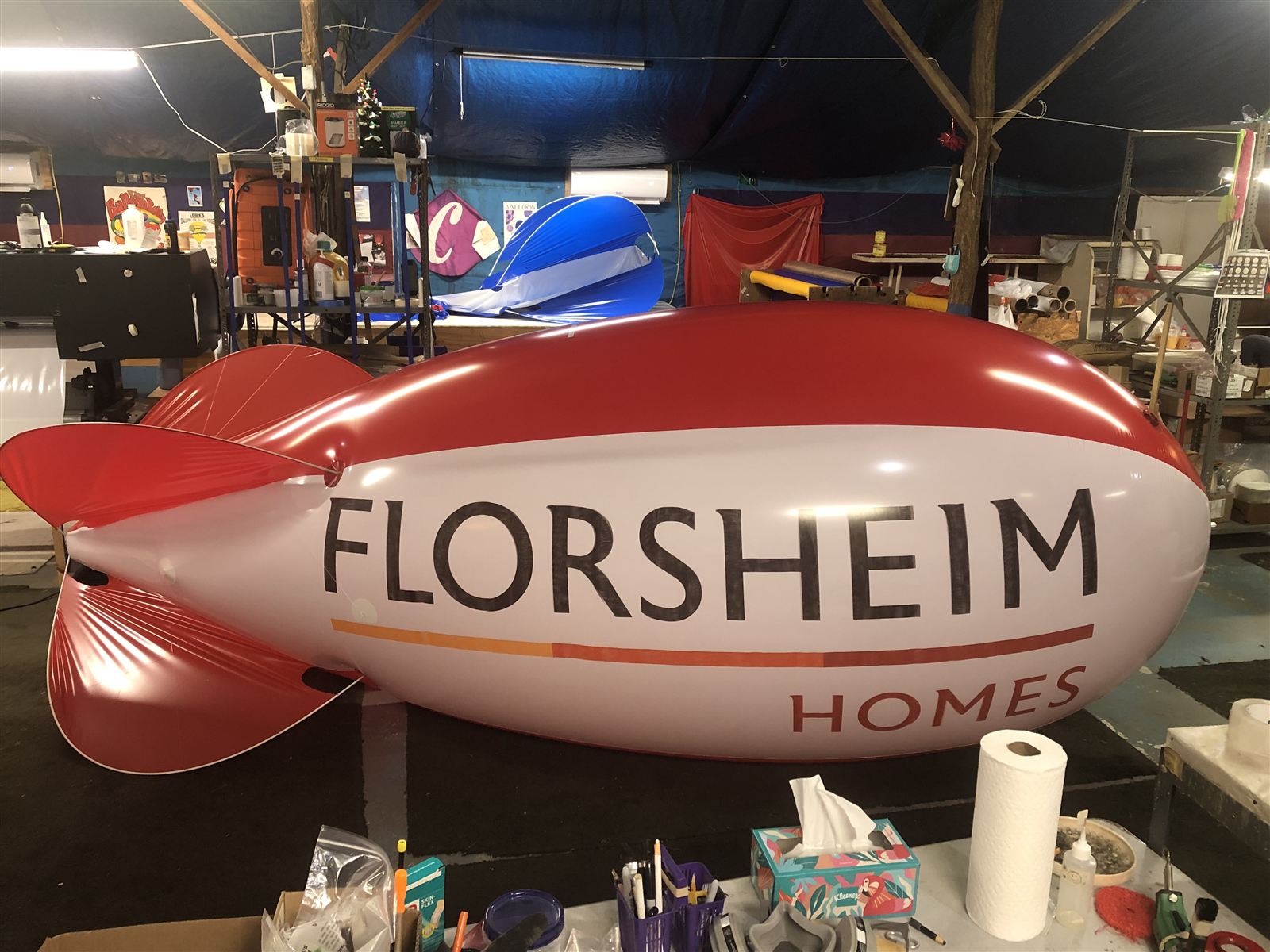
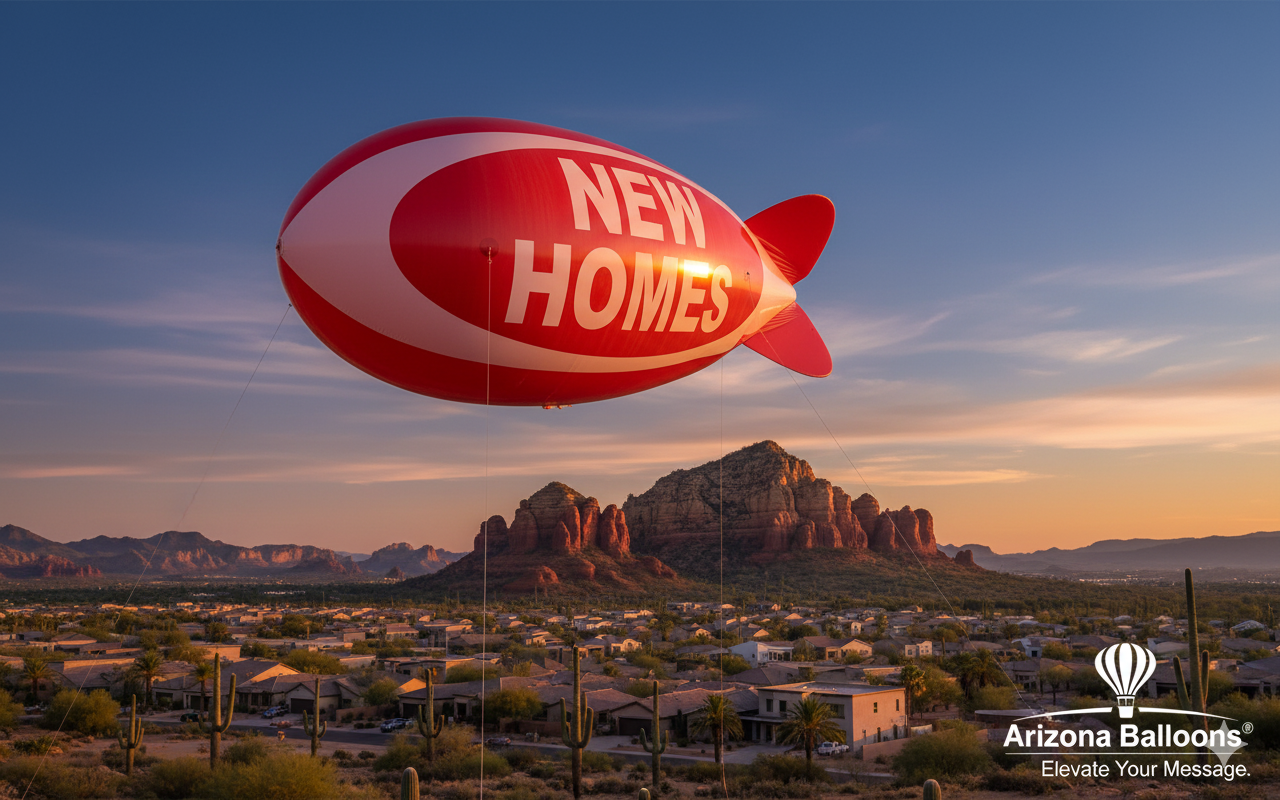
    grand opening marketing balloons outside a new retail store launch

    Burlington’s August Expansion, By the Numbers

    Grand opening marketing is back in the spotlight this week as off-price retailer Burlington confirmed 12 new store openings across eight states and Puerto Rico throughout August, part of a broader push toward more than 1,000 total locations nationwide. According to reporting from USA TODAY, the chain plans to open more than 100 stores by the end of 2026, with new locations featuring an updated store design meant to draw shoppers in from the parking lot. The retailer’s CEO framed the expansion around delivering value and a refreshed in-store experience, but the real test for every one of these openings happens outside the front doors, in the parking lot and along the street frontage, where Arizona Balloon Company has spent years helping businesses win that first glance from passing traffic.

    The new locations span markets from Mesquite, Texas, to Queensbury, New York, and each store faces the same opening-week hurdle: converting nearby traffic into walk-ins during the critical first weekend, when word of mouth hasn’t had time to build yet.

    Why This Grand Opening Wave Matters for Marketers

    National retail data shows store openings are outpacing closures again in 2026, a reversal from the cautious years that followed the pandemic. Industry trackers cite thousands of announced openings for 2026 across chains such as Aldi, Costco, IKEA, and Nordstrom Rack, alongside Burlington’s own aggressive rollout. That volume matters to independent business owners and franchise operators too, because it signals that consumers are actively watching for new stores in their neighborhoods and rewarding retailers who make their launch impossible to miss.

    For home builders unveiling a new model home community, auto dealers launching a new lot, or trade show exhibitors debuting a booth, the underlying lesson is the same. A quiet grand opening gets lost in a crowded retail calendar. A visible one earns free attention, local press mentions, and the kind of opening-weekend crowd that sets the tone for months to come.

    grand opening marketing balloons outside a new retail store launch

    The Foot Traffic Challenge Behind Every New Store

    New store locations rarely open with built-in name recognition on their specific street corner. Even a well-known national brand like Burlington has to reintroduce itself at every new address, because shoppers driving past a shopping center simply don’t know a store exists there yet unless something visually interrupts their commute. Standard signage, banners, and window clings help once a customer is already close, but they do little to pull someone off their regular route from a quarter mile away.

    This is the exact gap that outdoor advertising has always been built to close, and it is why grand opening events so often lean on oversized, hard-to-miss visual cues rather than print alone.

    Solving Visibility With Aerial Marketing

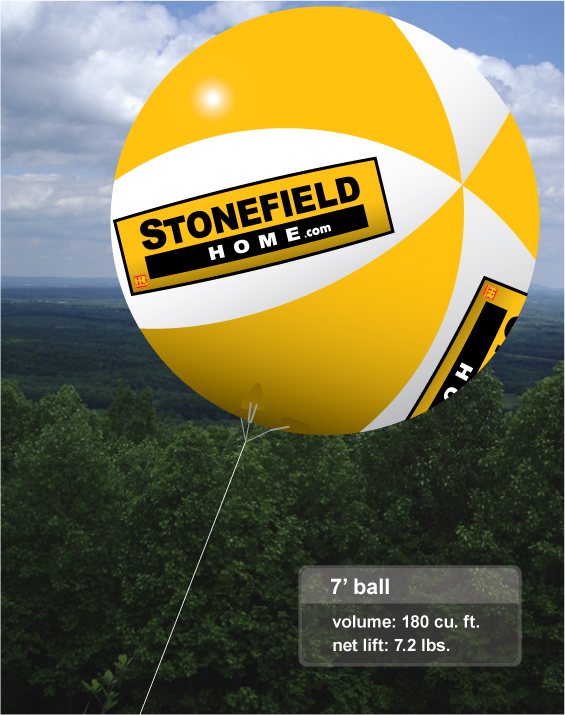
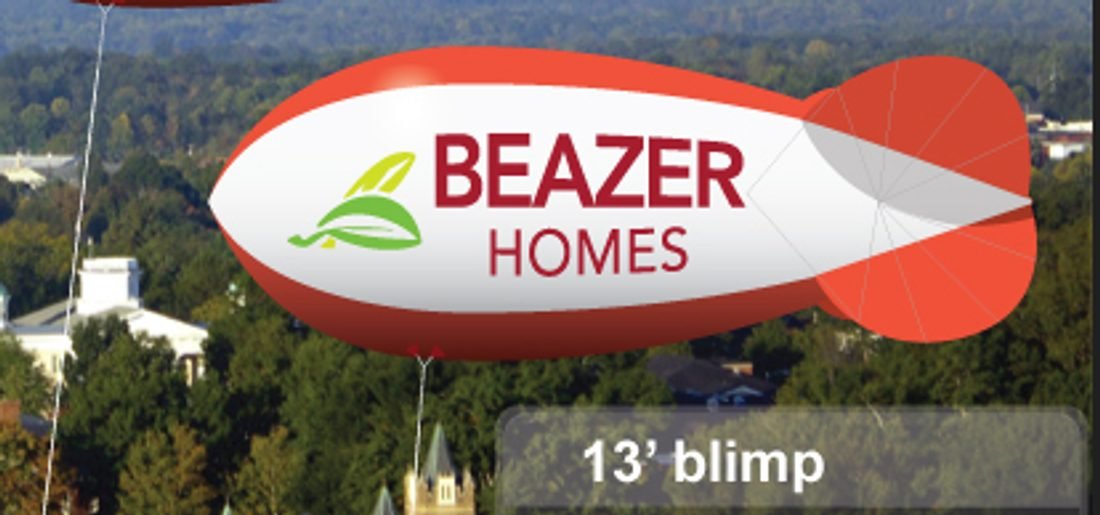
    Helium advertising balloons and rooftop blimps solve the distance problem that ground-level signage cannot. A giant inflatable balloon tethered above a storefront is visible from major roads long before a driver reaches the entrance, giving them time to plan a turn instead of driving past. Retailers and franchise owners running a launch event can pair a rooftop balloon with directional flags, streamers, or a mid-size advertising blimp to create a visual funnel that guides traffic straight into the lot. For businesses exploring options, browsing a dedicated advertising balloons product page is often the fastest way to compare sizes and shapes suited to a single-day event versus a multi-week rollout.

    Regional Competition Is Heating Up

    Burlington isn’t opening in a vacuum. The same reporting that covered its August expansion noted competing off-price and discount chains, including Nordstrom Rack, Aldi, and dollar-store operators, are simultaneously adding hundreds of locations across the country this year. When multiple retailers open near each other in the same shopping season, differentiation on opening day becomes a competitive necessity rather than a nice-to-have. Local businesses without a national marketing budget can still compete on visibility by leaning into low-cost, high-impact tools that punch well above their price point.

    Planning Your Own Opening-Day Push

    Retailers watching this wave of national openings should treat it as a planning cue rather than just industry trivia. Booking outdoor visual elements, whether a tethered balloon, an inflatable blimp, or a full grand-opening package, works best when scheduled several weeks ahead of the event date, since permitting, weather contingencies, and rental availability all factor into a smooth launch day. Pairing that visual element with a clear call to action, a limited-time promotion, or a ribbon-cutting time slot tends to produce the strongest turnout.

    What This Means for Your Marketing

    The broader retail story here is simple: physical store openings are rising again in 2026, and every one of them competes for the same finite attention span of local drivers and shoppers. Outdoor, location-based marketing remains one of the most cost-effective ways to convert that attention into a first visit, because it works at the exact moment a customer is close enough to act on it. Unlike digital ads that require someone to be scrolling at the right time, a large inflatable above a storefront reaches anyone within eyesight of the road, no targeting budget required.

    Home builders opening a new community, auto dealers launching a lot event, and general businesses hosting a grand opening can all apply the same principle Burlington’s national rollout illustrates on a larger scale. Visibility drives foot traffic, and foot traffic drives the word-of-mouth momentum that carries a new location past its first difficult weeks. Businesses planning an upcoming launch can review options for helium advertising balloons to map out sizing, placement, and timing well before the event date.

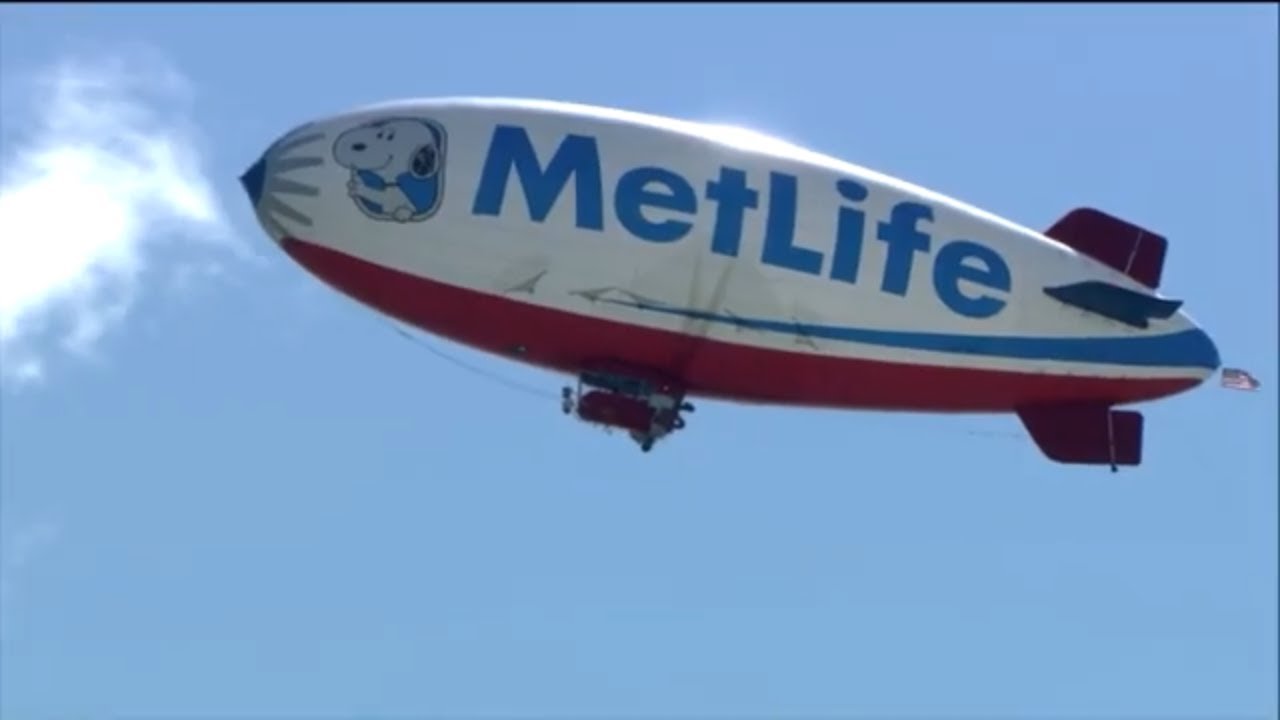
    For multi-day promotions, trade shows, or larger campuses where a single balloon may not cover enough ground, an aerial marketing blimp can extend visibility across a wider radius, making it a practical option for businesses with bigger footprints or longer promotional windows.

    Sources

  • Trade Show Booth Visibility Becomes a Bigger Challenge as Shows Sell Out

    Trade Show Booth Visibility: Why Sold-Out Shows Demand Bigger Marketing

    Trade Show Booth Visibility Becomes a Bigger Challenge as Shows Sell Out

    Arizona Balloon Company (arizonaballoon.com) — August 4, 2026

    trade show booth visibility at a crowded exhibitor hall

    A Sold-Out Trade Show Signals Rising Competition

    Trade show booth visibility is becoming a harder problem to solve as major U.S. exhibitions report record turnout. The Atlanta Shoe Market (TASM), one of the footwear industry’s key trade events, is heading into another sold-out edition on August 15-17, 2026, with roughly 1,100 registered exhibitors representing 1,800 brands. Retailer registrations are also climbing, up about 5 percent from the prior show, according to TASM executive director Laura Conwell O’Brien. The exhibitor waitlist has swelled past 60 brands, driven largely by international vendors looking for a foothold in the U.S. market.

    For companies that plan trade show appearances as part of their annual marketing calendar, this kind of growth is a signal worth paying attention to. When more exhibitors compete for the same buyer traffic, a well-placed booth is no longer enough on its own. Businesses that want their presence noticed are increasingly investing in strategies that extend visibility beyond the four walls of a standard booth space, a shift that companies exploring helium advertising balloons are already putting into practice.

    What Record Exhibitor Demand Means for Booth Visibility

    TASM’s growth is not an isolated case. Industry-wide data shows event budgets are expected to rise in 2026, with a strong majority of planners preferring in-person formats over virtual or hybrid alternatives. That preference is filling exhibition halls even as some venues undergo renovation and expansion to keep pace, as is the case at TASM’s host site, the Cobb Convention Center. The venue is adding a junior ballroom, eleven meeting rooms, and an executive boardroom totaling 24,000 square feet, with construction expected to wrap by early 2027.

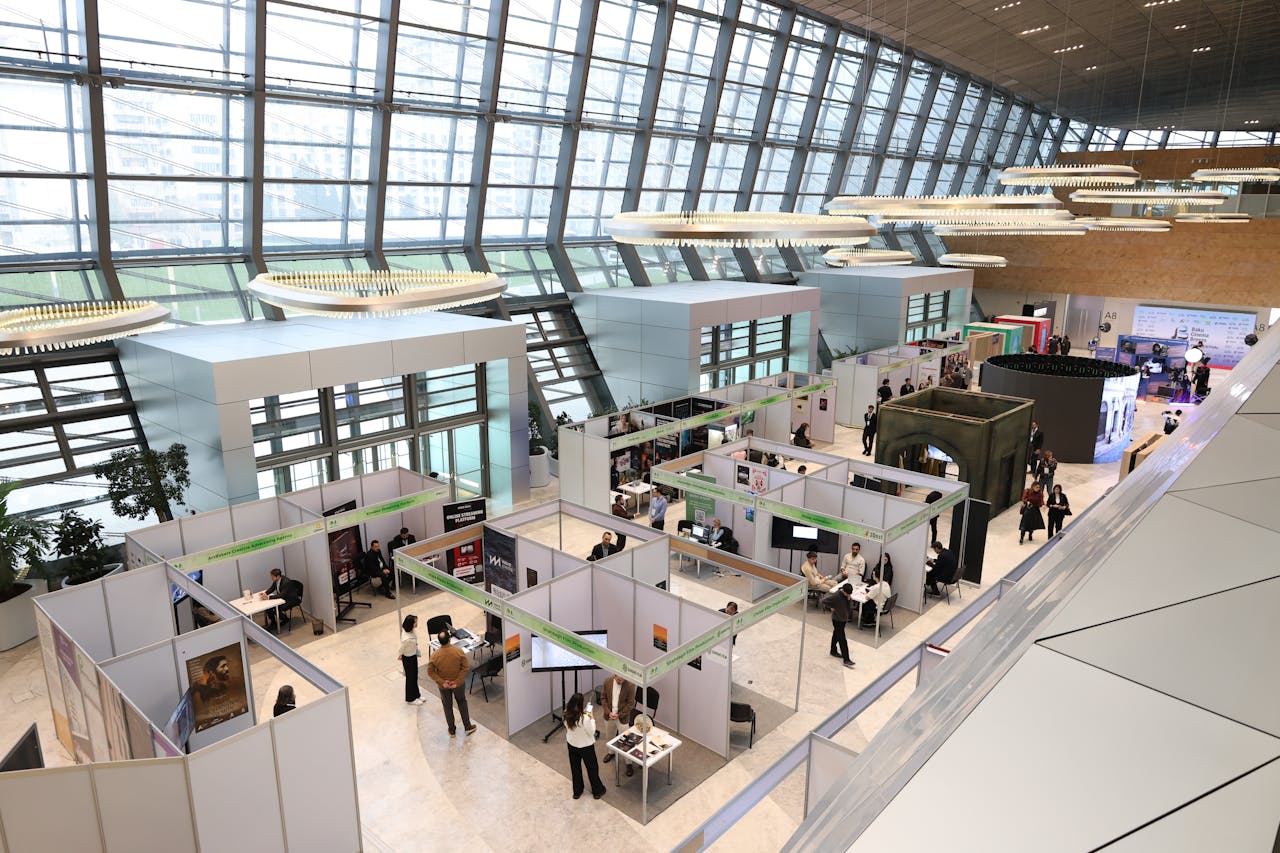
    More exhibitors and steady attendee recovery sound like good news for the trade show economy overall, and largely they are. But for individual businesses on the floor, it means the visual competition for attendee attention is intensifying every season. A booth that once stood out in a half-full hall can now be lost in a sea of nearly identical 10×10 and 10×20 displays.

    trade show booth visibility at a crowded exhibitor hall

    Crowded Floors Make Standing Out Harder

    Booth design experts have long pointed to visual impact as one of the top factors in attracting foot traffic. Roughly 48 percent of exhibitors report that eye-catching displays are what pull attendees in, ahead of giveaways or staff outreach. That statistic matters more in a sold-out hall than in a half-empty one, because the number of competing visual signals on the floor rises in direct proportion to the number of booths.

    At the same time, buyers are arriving at shows with more pre-show research already done and more specific agendas in hand. That shift rewards exhibitors who can be spotted quickly from a distance, rather than those who rely on attendees stumbling past a table. A visitor working from a mental checklist of “must-see” booths needs a clear landmark to navigate by, not just a logo at eye level.

    Why Elevated Marketing Is Gaining Ground

    This is where elevated, above-the-crowd marketing has started to earn a place in exhibitor budgets. Helium balloons, arches, and tethered inflatables give a booth a visual anchor that is visible from across a hall or a parking lot, well before an attendee is close enough to read signage. Unlike floor-level graphics, an elevated marker does not compete for space with neighboring booths; it simply rises above them.

    Home builders, auto dealers, and trade show exhibitors already use this tactic at open houses, lot events, and expo floors for the same underlying reason: attention is won at a distance, then converted at the table. As exhibitor counts climb at shows like TASM, that principle applies with even more force. A branded balloon column or a small marketing blimp positioned above a booth can do the work of getting attendees to look up and walk over, freeing booth staff to focus on the conversations that actually close business.

    Advice from Event Marketing Insiders

    Event marketing analysts covering the 2026 season have made a similar point in broader terms: booth design is only half the equation for winning attention on a crowded floor, and open sightlines paired with vibrant, easily recognizable displays are what separate a memorable booth from a forgettable one. That advice lines up closely with what TASM’s own exhibitor growth suggests — as competition for buyer attention rises, visual differentiation stops being optional and starts being a baseline requirement for exhibitors who want to be found.

    Planning Ahead for 2027 and Beyond

    With Cobb Convention Center’s expansion targeted for completion by early 2027, TASM organizers expect the show’s current sold-out format to hold steady until then. That gives exhibitors a predictable runway to plan ahead rather than scrambling each season. Businesses that book premium visual marketing assets, from balloon displays to marketing blimps, well in advance tend to secure better placement and pricing than those who wait until the week of the show.

    What This Means for Your Marketing

    The lesson from TASM’s sold-out edition applies far beyond footwear. Any business that exhibits at trade shows, hosts a grand opening, or runs a lot event should expect the floor, and the parking lot outside it, to get more crowded before it gets less crowded. Outdoor and location-based marketing tools are built for exactly this environment because they solve the one problem floor-level signage cannot: visibility from a distance, in every direction, without competing for eye-level real estate.

    For home builders promoting a new community, auto dealers running a weekend sales event, or trade show exhibitors trying to stand out among a thousand other booths, the same principle holds. A visible landmark above the crowd draws foot traffic before a single conversation begins. That is the core value proposition behind aerial marketing blimps and helium balloon displays: they turn a location into something people notice from across a room, a lot, or a street.

    As event budgets rise and shows continue selling out through 2026 and into 2027, the businesses that plan their visual marketing early, rather than treating it as a last-minute add-on, are the ones most likely to convert a crowded floor into a strong lead list.

    Sources

  • Experiential Outdoor Advertising: What the Run Club Boom Means for Local Marketers

    Experiential Outdoor Advertising: What the Run Club Boom Means for Local Marketers

    Experiential Outdoor Advertising: What the Run Club Boom Means for Local Marketers

    By Arizona Balloon Company (arizonaballoon.com) | August 3, 2026

    Experiential outdoor advertising balloon display drawing a crowd at a community event

    The Run Club Boom Signals a New Era of Experiential Outdoor Advertising

    A new report published this week by out-of-home media giant OUTFRONT Media highlights a trend that marketers can’t afford to ignore: run clubs have become one of the fastest-growing social activities in the country, and brands are following the crowds into the real world. This shift is a clear signal that experiential outdoor advertising is moving from a nice-to-have tactic to a central strategy for reaching consumers who are actively choosing in-person connection over screen time. According to the report, younger participants in particular are seeking group activities that build community, with the vast majority reporting improved wellbeing and stronger social bonds after joining a running group.

    For businesses that already invest in physical, location-based marketing, this is validating news. Whether it’s a helium balloon and blimp advertising company like Arizona Balloon Company or a local retailer, the takeaway is the same: people are gathering in parks, along race routes, and outside neighborhood businesses, and those gathering points are becoming premium advertising real estate.

    Why This Story Matters for Marketing Decision-Makers

    Marketing managers and business owners often default to digital ad spend because it’s easy to track. But the data behind this story suggests a meaningful shift is underway. Community running events have grown several times over in just one year, and consumers are intentionally seeking out real-world experiences instead of passive scrolling. That means the businesses showing up physically, at the events, on the routes, and in the neighborhoods where people gather, are the ones building the strongest brand recall.

    One case cited in the report involved a regional marathon that used strategically placed transit and street-level advertising during a 60-day campaign window. The race saw a significant jump in registrations, with thousands of participants scanning ads or reporting they learned about the event through out-of-home placements. It’s a clear demonstration that physical, in-the-moment advertising still drives measurable action, not just impressions.

    Experiential outdoor advertising balloon display drawing a crowd at a community event

    Where Helium Balloons and Marketing Blimps Fit Into IRL Advertising

    Community races, run clubs, and neighborhood gatherings share one thing in common with trade shows, dealership lots, and new home communities: they are outdoor, foot-traffic-heavy environments where visibility matters most. This is exactly the environment where giant helium advertising balloons and marketing blimps perform best. Unlike a static banner or a digital ad competing for a swipe, an oversized balloon or blimp floating above a crowd is visible for blocks, drawing attention long before a person reaches the actual booth, dealership, or storefront.

    As the run club trend illustrates, people are craving tangible, in-person moments. A branded balloon character, cold-air inflatable, or tethered blimp adds exactly that kind of tangible presence to an otherwise ordinary event, turning a sponsorship logo into a memorable physical landmark.

    Trade Shows and Local Events: The Same Playbook

    Trade show exhibitors face a version of this same challenge every time they set foot on a crowded convention floor or an outdoor expo lot. Attention is scarce, competitors are everywhere, and a table sign rarely cuts through. The lesson from the community-event data is directly transferable: exhibitors who add height, motion, or a striking visual, such as a rooftop balloon or an inflatable product replica, consistently pull more foot traffic than those relying on printed signage alone.

    Auto Dealers and Home Builders Can Apply the Same Strategy

    Auto dealers and home builders are two of the industries best positioned to capitalize on this experiential shift. A model home community or a dealership lot functions much like a race-day environment: a defined physical space where a business wants passersby to stop, look, and remember the brand. Large inflatable arrows, giant balloon dancers, and rooftop blimps have long served this purpose for car lots and new home sales offices, and the renewed consumer appetite for real-world experiences only strengthens the case for keeping that kind of visual marketing in the budget.

    Measurable Results Are Driving the Shift Back to Physical Media

    Perhaps the most important detail in this week’s report is the emphasis on measurability. Physical advertising placements tied to community events produced trackable outcomes, including QR code scans and self-reported awareness, giving brands hard numbers to justify the spend. That same measurement mindset applies to balloon and blimp campaigns at local events, dealership promotions, and grand openings, where foot traffic counts, lead scans, and sales conversions can all be tracked back to the physical activation.

    What This Means for Your Marketing

    The broader lesson for business owners is that outdoor, location-based marketing is regaining ground precisely because consumers are spending more of their free time offline and in community settings. Whether that’s a weekend run club, a neighborhood festival, or a busy dealership lot on a Saturday afternoon, the businesses that show up with a strong physical presence are the ones people remember and talk about.

    For home builders, auto dealers, and trade show exhibitors alike, this is a good moment to revisit how much visual impact a location actually has. A sign at eye level competes with dozens of other signs. A giant balloon or an aerial blimp does not. It stands above the noise, quite literally, and gives a brand a landmark that people can spot from a distance and navigate toward.

    Businesses looking to translate this trend into results don’t need to reinvent their strategy from scratch. Adding helium advertising balloons or aerial marketing blimps to an existing event, grand opening, or ongoing lot promotion is a low-lift way to capture the same kind of attention that’s driving results at community races and local gatherings nationwide.

    Sources

  • Helium Price Drop: What It Means for Advertising Balloons

    Helium Price Drop: What It Means for Advertising Balloons

    Helium Price Drop: What It Means for Advertising Balloons

    By Arizona Balloon Company (arizonaballoon.com) | August 2, 2026

    Helium price drop shown through deflating and inflating balloon supply chart concept for marketing businesses

    Helium Price Drop: The July 2026 Numbers

    A meaningful helium price drop has appeared in the latest monthly market data, offering the first real relief to helium-dependent businesses since the Qatar supply crisis rattled the industry earlier this year. According to newly published pricing data, North American helium prices fell roughly 9.7% in July 2026, while Northeast Asia saw a 14.7% decline and Europe dropped about 9.1% over the same period. For business owners who rely on helium for events, trade shows, or promotional displays, this marks the clearest signal yet that the worst of the pricing pressure may be easing. Companies like Arizona Balloon Company have been monitoring these shifts closely because helium cost directly affects the price of every inflated advertising balloon program nationwide.

    From Shortage to Relief: What Changed

    To understand why this price drop matters, it helps to remember how severe the disruption was. Military strikes on Qatar’s Ras Laffan Industrial City in early March 2026 knocked out roughly one-third of global helium production, since helium is captured as a byproduct of liquefied natural gas processing there. Qatar’s output normally accounts for a large share of the world’s traded helium supply, so the outage triggered force majeure declarations from major industrial gas suppliers, rationing to non-critical customers, and sharp surcharges that rippled down to party stores, event companies, and marketing firms across the country. Recent industry reporting now indicates that stabilizing operations at Qatar’s North Field, combined with disciplined contract procurement in North America, have allowed prices to settle closer to their late-2025 levels for the first time since the crisis began.

    Helium price drop shown through deflating and inflating balloon supply chart concept for marketing businesses

    What Drove the Price Correction

    Several factors converged to bring prices down. New helium production capacity has been coming online outside the traditional Qatar-U.S. axis, including commercial output from South Africa’s Renergen project and early-stage development in Saskatchewan, Montana, and Colorado. At the same time, buyers who panic-bought inventory during the peak of the shortage have worked through those stockpiles, easing short-term demand. Industry analysts also point to more disciplined long-term contract procurement in North America, which has insulated domestic buyers from some of the volatility still affecting Asian and Middle Eastern markets.

    Why the Market Remains Fragile

    Despite the encouraging numbers, experts caution against assuming the crisis is fully resolved. Qatar’s Ras Laffan facility has faced ongoing complications during its restart process, and the Strait of Hormuz — the only export route for Middle Eastern helium — has seen repeated periods of disrupted shipping throughout 2026. Because helium cannot be stockpiled in large volumes at most production or distribution sites, any renewed disruption in the Gulf region could quickly reverse the recent price relief. Businesses that plan helium-dependent marketing campaigns should treat the current pricing environment as a window of opportunity rather than a permanent new normal.

    What This Means for the Balloon and Blimp Industry

    For companies in the helium advertising balloon and marketing blimp space, this price movement is directly relevant. Helium is the single largest variable input cost behind fuel, labor, and equipment maintenance for giant advertising balloons, cold-air inflatables, and tethered marketing blimps. When wholesale helium prices spike, that cost is typically passed along through higher rental rates or surcharges on filled units. A sustained price drop gives balloon and blimp operators more room to hold steady pricing for clients, while also making it more feasible to plan larger seasonal campaigns — such as grand openings, model home showcases, and dealership lot promotions — without the fear of last-minute helium surcharges eating into the marketing budget.

    What This Means for Your Marketing

    Outdoor, location-based marketing has always competed on visibility, and few tools deliver visibility as efficiently as a giant balloon or an aerial blimp hovering above a busy road or a packed trade show floor. With helium pricing pressure easing, now is a practical time for home builders, auto dealers, and trade show exhibitors to lock in campaigns that were paused or scaled back during the shortage. A single tethered balloon or inflatable arch can be seen from a quarter mile away, drawing foot traffic that digital ads simply cannot generate in a local market.

    Businesses that plan ahead tend to benefit the most from favorable pricing windows like this one. Rather than waiting until peak season — spring home-buying months, major auto sales events, or convention season — to book helium-dependent displays, forward-thinking marketing managers are locking in rental agreements now while supply conditions remain relatively stable. This is especially true for multi-location businesses coordinating balloon displays across several sites at once, where bulk scheduling can further reduce per-unit costs.

    Whether the goal is a single grand-opening event or a recurring seasonal campaign, working with an experienced supplier matters as much as the helium price itself. Arizona Balloon Company helps businesses plan and execute campaigns using helium advertising balloons sized and scheduled to match current market conditions, so marketing budgets stretch further without sacrificing the visual impact that drives walk-in traffic.

    Sources

  • Auto Dealer Marketing Strategy Shifts as Vehicle Prices Hit Record Highs

    Auto Dealer Marketing Strategy Shifts as Vehicle Prices Hit Record Highs

    Auto Dealer Marketing Strategy Shifts as Vehicle Prices Hit Record Highs

    By Arizona Balloon Company (arizonaballoon.com) | July 27, 2026

    Auto dealer marketing strategy dashboard used by dealership managers to plan local advertising

    Record Prices Are Forcing a New Auto Dealer Marketing Strategy

    A new auto dealer marketing strategy is taking shape across the United States as new-vehicle prices hit record levels and shoppers become far more selective about where they spend. According to a Q2 2026 industry report released by automotive analytics firm Catalyst IQ, new vehicle prices reached an average of $52,016 in the second quarter, up more than $1,200 from the prior quarter. Despite the higher price tags, demand held steady, and dealers who reacted quickly to local market shifts protected their margins better than those relying on decades-old, one-size-fits-all advertising approaches. For a closer look at how dealerships are turning heads locally, visit Arizona Balloon Company for options built specifically for showroom visibility.

    Why Broad Advertising No Longer Works

    Industry analysts point to a fragmented buying landscape as the core reason blanket advertising campaigns are losing effectiveness. Every market, brand, and even individual VIN now behaves differently, according to Catalyst IQ’s Vice President of Analytics, Rick Wainschel. Dealers who once ran the same regional radio spot or billboard campaign across every store are finding that shoppers respond better to hyper-local, highly visible marketing that reaches people close to the lot, at the moment they’re deciding where to buy. That shift is opening the door for dealers to pair digital targeting with attention-grabbing, on-site tools like advertising blimps that draw drive-by traffic without competing in an increasingly crowded digital ad auction.

    Auto dealer marketing strategy dashboard used by dealership managers to plan local advertising

    The Data Behind the Shift

    The numbers tell a clear story about how quickly the market is moving. Used vehicle turn rates climbed to 73% in Q2, with days-to-move dropping below 40 for the first time in nearly three years, while certified pre-owned inventory grew nearly 4% quarter-over-quarter to meet demand. Consumers are gravitating toward smaller SUVs, sedans, and hybrids as fuel efficiency and value take priority over size. For dealers, this means inventory that sells fastest also needs the fastest, most visible marketing turnaround — a lot flag, banner, or balloon can be repositioned in hours, unlike a print or broadcast campaign booked weeks in advance.

    M&A Activity Signals a Tightening Market

    The pressure on margins is also reshaping ownership. Industry reporting from WardsAuto notes that buy-sell activity among dealership groups is accelerating, with strong demand for Toyota and other high-quality franchises as buyers pursue what one advisor called a “flight to quality.” As larger groups consolidate and smaller independent stores compete for the same shrinking pool of local buyers, standing out physically in a market becomes just as important as ranking well online.

    Where Physical, Local Visibility Fits In

    Digital advertising still matters, but industry commentary consistently points back to one constraint: digital campaigns only reach people already searching. Dealers report growing interest in combining online personalization with real-world signals that catch the attention of drivers who haven’t started shopping yet. That’s why lot flags, inflatable arches, and rooftop balloons remain a fixture at high-turn dealerships — they extend a dealer’s reach beyond the customers already typed into a search bar.

    Balloons and Blimps as a Precision Marketing Tool

    This is where helium advertising balloons and marketing blimps offer dealers a practical advantage inside a data-driven auto dealer marketing strategy. Rather than a static billboard locked into a single message for months, a rooftop balloon or tethered blimp can be swapped, rebranded, or repositioned in a single afternoon to match whatever segment is moving fastest — hybrids one week, certified pre-owned the next. Paired with the kind of VIN-level, segment-specific insight analytics firms are now pushing dealers to adopt, physical visibility becomes another lever dealers can pull with the same speed and precision as a digital ad refresh.

    What This Means for Your Marketing

    For auto dealers navigating record prices and shifting shopper priorities, the lesson from this data is straightforward: precision beats volume. That applies not just to digital targeting but to every visible touchpoint on the lot. A dealership that can quickly signal “certified pre-owned now available” or “hybrid inventory just arrived” to passing traffic is capturing shoppers that broad digital campaigns miss entirely.

    Outdoor, location-based marketing remains one of the fastest and most cost-effective ways to do this. Unlike a repainted sign or a new billboard lease, helium advertising balloons can be deployed, changed, or scaled up during a promotion and scaled back down afterward, giving dealers a flexible tool that matches the pace of today’s fragmented, fast-moving market.

    As consolidation continues and competition for local buyers intensifies, dealers who invest in both smart data and strong physical presence will be the ones best positioned to protect margin and win foot traffic in their market.

    Sources

  • Homebuilder Marketing Strategy: Why Visibility Wins in a Slowing Market


    Homebuilder Marketing Strategy: Why Visibility Wins Now

    Homebuilder Marketing Strategy: Why Visibility Wins in a Slowing Market

    By Arizona Balloon Company (arizonaballoon.com) — July 25, 2026

    Homebuilder marketing strategy for new home construction sales office

    Builder Confidence Falls as Costs and Rates Bite

    A solid homebuilder marketing strategy is becoming less optional and more essential this summer, as national data shows builder confidence sliding to one of its lowest points of the year. According to the NAHB’s Housing Market Index, builder sentiment fell in July and has lingered below 40 for 15 consecutive months, with the July reading tied for the lowest level reported so far this year. Builders cited elevated mortgage rates, costly land, rising material prices, and persistent skilled labor shortages as ongoing pressures on the industry. For homebuilders competing in this environment, standing out to prospective buyers at every open house, model home tour, and community launch has become a bigger part of the sales equation. Companies exploring new ways to draw attention often start at Arizona Balloon Company, which supplies visibility tools built specifically for builders trying to cut through a crowded, cautious market.

    Incentives Are Driving the Sales That Do Happen

    Despite falling confidence, new home sales actually improved. New-home sales in the US climbed in June for the first time in three months as heavy builder discounting helped offset high mortgage rates and subdued consumer sentiment. Purchases of new single-family homes increased 1.6% last month to an annualized rate of 628,000, beating economist expectations. This lines up with survey findings showing more builders reduced prices and offered sales incentives in July compared to the previous two months, and separate data showing 37% of builders cut prices in July, up from 35% in June and 32% in May. In short: buyers are responding to deals, not to a resurgence in raw demand. That makes getting buyers physically onto a sales lot or into a model home — where incentives can actually be presented — more valuable than ever. This is where a well-placed advertising balloon at a community entrance can turn passing traffic into a walk-in.

    Homebuilder marketing strategy for new home construction sales office

    Why Visibility Matters More in a Discount Market

    When multiple builders in the same submarket are offering rate buydowns, closing-cost credits, or price cuts, the deals themselves start to look similar from the outside. Buyers driving through a corridor of competing communities often can’t tell which builder is currently running the strongest incentive without stopping to ask. That is a visibility problem, not a pricing problem, and it’s one that traditional yard signs and small banners rarely solve at highway speed or from a distance. Builders who invest in taller, more attention-grabbing signals at their entrances are effectively buying attention in a market where every incentive dollar needs to convert into a showing.

    How Aerial Advertising Fits a Modern Sales Push

    Helium balloons and tethered advertising blimps solve the distance problem that ground-level signage can’t. A giant inflatable visible from a quarter mile away, or a slow-circling blimp above a new phase release, gives builders a way to say “we’re open, we’re selling, and we’re motivated” without relying solely on digital ad spend that competes with every other listing in a buyer’s feed. For sales teams working against soft foot traffic numbers, that kind of physical, unmissable presence can be the difference between an empty model home on a Saturday and a steady stream of walk-ins.

    Model Home Events and Grand Openings

    Grand openings, model home unveilings, and weekend incentive events are exactly the moments where builders need a short burst of maximum visibility. Renting equipment for a single weekend, rather than owning it outright, lets builders scale visual marketing up around specific sales pushes tied to incentive deadlines or new phase releases, then scale back down once the event has passed.

    What This Means for Your Marketing

    With builder confidence near a yearly low and incentives doing the heavy lifting on sales, the builders who win in this environment will be the ones who make their deals impossible to miss. Outdoor, location-based marketing has an advantage that digital ads don’t: it reaches people who are already driving through the neighborhoods where they might actually buy.

    For home builders and community developers, this means treating the physical sales environment — the entrance, the model home row, the sales trailer — as seriously as the digital ad budget. A large inflatable at the community entrance, or an aerial blimp visible during a weekend event, extends a builder’s reach well beyond the property line and gives incentive-driven promotions a visual anchor that passersby actually notice.

    Businesses looking to add this kind of presence to an upcoming launch or sales event can review options for helium advertising balloons designed specifically for high-traffic corridors and new home communities.

    Sources


  • Energy-Efficient Home Marketing Takes Center Stage as New Certified Communities Open


    Energy-Efficient Home Marketing Takes Center Stage as Builders Certify Communities

    Energy-Efficient Home Marketing Takes Center Stage as New Certified Communities Open

    Arizona Balloon Company (arizonaballoon.com) — July 24, 2026

    Energy-efficient home marketing shown through a new certified townhome community grand opening

    Certified Communities Are Opening Across the Country

    Energy-efficient home marketing is having a real moment this month, and the clearest example just opened in Northern California. Arizona Balloon Company tracks stories like this closely because they shape how builders, developers, and dealers think about drawing traffic to a physical location. KB Home recently opened Meadowbrook, a new ENERGY STAR–certified townhome community in Campbell, California, offering three-story homes engineered for energy and water efficiency. Company leadership framed the launch around transparent pricing and buyer-driven personalization, positioning efficiency as a value proposition rather than a marketing add-on.

    The timing matters. Builders across the country are opening certified communities at a pace that suggests energy performance has shifted from a niche selling point to a baseline expectation among buyers. That shift changes what a grand opening needs to communicate, and it raises the stakes for how a community announces itself to a neighborhood, a city, and a regional market. A quiet ribbon-cutting no longer matches the scale of the claim a builder is making about their product.

    New Compliance Pathways Give Builders More to Talk About

    Just days before the Meadowbrook opening, the National Green Building Standard rolled out new alternative compliance pathways designed to translate existing ENERGY STAR, DOE Efficient New Homes, and code-compliance achievements directly into formal NGBS Green Certification tiers, from Bronze through Emerald. The change means builders who already meet recognized energy programs can now layer on a fuller sustainability certification without duplicating work, giving them a stronger, better-documented story to tell buyers.

    For home builders, that is a meaningful development. A certification tier is a concrete, third-party-verified claim, which is exactly what skeptical buyers are asking for. But a certificate on a wall or a badge on a listing page only reaches the people who are already reading the fine print. Builders that want the achievement to actually move traffic still need a way to put it in front of the people who are not reading anything at all yet.

    Energy-efficient home marketing shown through a new certified townhome community grand opening

    The Trust Gap Builders Are Racing to Close

    Consumer skepticism toward environmental claims has climbed steadily in recent years, with a large share of shoppers saying they distrust green marketing language on its face. That skepticism is precisely why regulators have kept revisiting environmental marketing guidance, and why certifications like ENERGY STAR, NGBS, and RESNET’s HERS Index carry so much weight with builders right now. A certified home gives a buyer something to verify. An unverified adjective does not.

    This is good news for builders who have done the work, but it also raises the bar for how that work gets communicated. A community that has earned a real certification has a stronger claim to make than most competitors, and stronger claims deserve more visible announcements. Burying a hard-won certification in a press release footnote wastes the credibility a builder just spent months earning.

    Certification Solves Credibility, Not Visibility

    Sustainable construction is also advancing on the materials and design side, with builders increasingly weighing insulation performance, glass facades, and renewable integration as standard planning inputs rather than upgrades. That progress is genuinely newsworthy inside the industry. Outside the industry, it competes with everything else happening on a Saturday morning: kids’ soccer, grocery runs, other new-home tours down the street. A certification announcement has to win attention before it can win trust.

    That is the gap between a good sustainability story and a good marketing outcome. The home builders opening ENERGY STAR and NGBS-certified communities this summer have real substance behind their claims. What decides whether a grand opening actually fills with visitors is whether the announcement is visible from more than a block away.

    Where Aerial Advertising Fits Into Green Building Marketing

    This is the connection worth drawing for the home building industry specifically. A certified, energy-efficient community is a physical location with a physical grand opening, a sales office, and a model home row that only works if people actually drive over and walk through it. Digital ads and certification badges build the case; they do not, on their own, pull a car off the main road. A large helium advertising balloon anchored above a new community entrance does something a listing page cannot: it makes the launch visible from the freeway, the school pickup line, and the neighboring subdivision, all at once, for the entire duration of the opening weekend.

    Builders launching certified communities have increasingly leaned on giant inflatables, entrance arches, and custom-branded blimps to turn a private construction milestone into a public event. It is a practical pairing: the certification supplies the credibility, and the aerial marketing supplies the reach. Neither substitutes for the other, but together they turn “we built something efficient” into “come see it this weekend.”

    What This Means for Your Marketing

    If your business has invested in genuine sustainability credentials, whether that is an ENERGY STAR rating, an NGBS certification tier, or a documented HERS Index score, the marketing question is no longer whether the claim is credible. It is whether enough people saw the claim before deciding where to spend their Saturday. Outdoor, location-based marketing exists precisely to solve that visibility gap, and it works best when it is timed to a real event: a grand opening, a model home debut, or a certification milestone worth celebrating publicly.

    Home builders, trade show exhibitors, and dealers all face a version of the same problem: a strong claim that nobody drives past. A giant balloon, an entrance arch, or an aerial marketing blimp turns a static sign into something people notice from a distance, remember, and photograph. For a certified green community especially, that visibility reinforces the message rather than distracting from it — the balloon gets people to the site, and the certification is what earns their trust once they arrive.

    As green building standards keep tightening and buyer skepticism keeps rising, the builders who win will be the ones who pair real substance with real visibility. Certification proves the claim. Aerial advertising makes sure the right people see it.

    Sources


  • Festival Brand Activation Trends Show Why Visibility Still Wins in 2026


    Festival Brand Activation Trends Show Why Visibility Still Wins

    Festival Brand Activation Trends Show Why Visibility Still Wins in 2026

    By Arizona Balloon Company (arizonaballoon.com) — July 23, 2026

    Festival brand activation booth with branded décor drawing a crowd at a summer event

    Summer Festivals Become Proving Ground for Brand Activations

    A wave of coverage this week highlights how a strong festival brand activation can define a company’s entire summer marketing calendar. Reporting from BizBash details how brands like NÜTRL, SONIC, Disney, and Southwest Airlines built out immersive, photo-ready footprints at major 2026 festivals such as CMA Fest, turning foot traffic into measurable sales and social reach. NÜTRL’s popsicle-and-game activation reportedly reached 40,000 fans in a single weekend and helped the brand become the top-selling beverage at the event. These results are pushing more marketing teams — from beverage giants to regional exhibitors — to rethink what “showing up” at a festival actually means. For businesses exploring similar visibility strategies, Arizona Balloon Company works with brands nationwide to plan large-format aerial marketing for exactly this kind of high-traffic event.

    Sponsors Demand More Than Logo Placement

    Separate reporting this week from festival organizers confirms the shift is not limited to national beverage brands. Local and regional festivals are being told, in plain terms, that sponsorship pitches built on “community energy” alone are no longer enough to win brand dollars. Sponsors want proof of reach, a reliable audience, and outcomes they can report internally — not just a banner near the stage. Industry surveys cited in that coverage note that roughly three-quarters of consumers say their trust in a brand increases after a positive live-event interaction, reinforcing why physical presence still carries outsized weight with festival crowds. That expectation is reshaping how exhibitors choose booth design, signage, and large-format displays such as custom advertising balloons that can be seen from across a fairground or stadium lot.

    Festival brand activation booth with branded décor drawing a crowd at a summer event

    Why Physical Visibility Still Outperforms Digital Buzz

    One theme runs through nearly every 2026 festival marketing report: crowded event footprints reward brands that can be seen, not just brands that are present. Agencies quoted in recent coverage describe festival grounds as an “operating system” of transit routes, entry lines, hospitality zones, and congregation points — and note that attention is already fragmented by the time attendees reach the gate. Brands that rely only on ground-level signage compete with hundreds of other vendors at eye level. Anything that rises above the crowd line has a structural advantage before a single word of copy is even read.

    The Role of Aerial Marketing in a Crowded Festival Footprint

    This is where helium balloons and inflatable displays fit naturally into the current activation trend. A branded advertising balloon or tethered blimp does not need to compete with the visual noise of tents, food trucks, and stage banners because it sits above all of it. Festival attendees quoted in recent trend pieces describe seeking out “Instagram-worthy” moments and photo backdrops; a large-format inflatable shaped display gives them exactly that, while giving the sponsoring brand a landmark attendees can navigate toward from across the venue. For exhibitors weighing options against pop-up tents or vinyl banners, marketing blimps and tethered aerial displays offer a durable, reusable alternative that scales from a single-day fair to a multi-week festival circuit.

    Sports Events Follow the Same Playbook

    The same visibility principles are showing up in sports marketing this season. Auto dealers, regional sponsors, and event organizers report similar pressure to justify sponsorship spend at tournaments, races, and community sports days, where sightlines and parking-lot real estate are limited and highly competitive. As with music festivals, sponsors at sports events are increasingly judged on measurable engagement rather than passive signage, and large aerial displays are frequently used to mark entrances, sponsor zones, or dealership lots adjacent to the venue.

    Local and Regional Events Are Catching Up

    While national brands dominate headlines from major festivals, the same lessons apply directly to smaller community fairs, home-building expos, and regional trade shows. Organizers now expect sponsors to bring a genuine presence, and attendees expect something worth photographing. A well-placed inflatable display, custom shape, or giant balloon arch can deliver that same “can’t-miss” moment on a fraction of a national brand’s budget, giving local businesses a way to compete for attention without an activation team the size of a Fortune 500 marketing department.

    What This Means for Your Marketing

    The throughline in this week’s festival and sports marketing coverage is simple: brands that win attention at outdoor events are the ones that are physically visible from a distance, not just the ones with the best booth décor. For home builders promoting a new community, auto dealers running a lot event, or trade show exhibitors competing for foot traffic, that means treating outdoor visibility as a strategic decision rather than an afterthought.

    Location-based marketing works best when it removes friction between “I saw something interesting” and “I found the booth.” A landmark visible from the parking lot, the highway, or the far end of a fairground shortens that path dramatically compared to signage that only works at close range. This is exactly the gap that helium advertising balloons are designed to close — giving a brand a fixed, unmistakable point of reference across a large event footprint.

    As sponsors continue to demand measurable engagement over passive logo placement, businesses that invest in physical, large-scale visibility at festivals and sporting events are positioned to capture more of the foot traffic that pricier digital and social campaigns are still trying to convert. Arizona Balloon Company works with event marketers across these industries to plan aerial displays built for exactly this kind of high-traffic outdoor environment.

    Sources


  • eVTOL Air Taxi Marketing Opportunities After Archer’s VTOL Debut


    eVTOL Air Taxi Marketing: What Archer’s VTOL Debut Means

    eVTOL Air Taxi Marketing Opportunities After Archer’s VTOL Debut

    By Arizona Balloon Company (arizonaballoon.com) | July 22, 2026

    eVTOL air taxi marketing concept showing an electric aircraft near a city vertiport

    Archer and Anduril Unveil Autonomous VTOL Platform

    The past week delivered one of the most notable developments yet in eVTOL air taxi marketing conversations, as Archer Aviation shares jumped after the company unveiled Thunder, an autonomous vertical lift aircraft developed with defense technology firm Anduril. Archer’s leadership described the aircraft as a clean-sheet, generational design, and the announcement reframed Archer’s story from a piloted air-taxi bet into a dual-use platform with both commercial and defense applications. Archer is also advancing Phase 4 of the FAA’s Type Certification process and continues to target the start of U.S. commercial air taxi operations later this year, with first commercial customers for the new platform expected to be named this week. For businesses that rely on visibility — home builders, dealerships, and trade show exhibitors among them — moments like this are a reminder of how quickly attention shifts toward emerging aerial technology, and why a strong outdoor presence, including a marketing blimp parked near the action, still commands the crowd.

    A Sector Racing Toward Commercial Reality

    Archer isn’t operating in isolation. Joby Aviation and EHang remain the two other major names racing toward commercial air taxi service, though all three stocks have seen sharp swings this year, with declines ranging from roughly 40% to over 60% year to date even as the underlying technology keeps advancing. Joby has continued flight testing tied to its Dubai launch plans, while Archer holds an estimated $1.8 billion in liquidity and has been named the official air taxi provider of the LA28 Olympic Games. The volatility hasn’t slowed the physical build-out: airshows, test flights, and city partnerships are happening in parallel, and each one draws media coverage, foot traffic, and public curiosity. You can learn more about how Arizona Balloon Company supports brands capitalizing on high-visibility events like these.

    eVTOL air taxi marketing concept showing an electric aircraft near a city vertiport

    Why This Matters Beyond Wall Street

    It’s easy to file eVTOL news under aerospace or investing, but the ripple effects reach much further. Every new aircraft unveiling, certification milestone, or vertiport announcement is a live news event that pulls local media, city officials, and curious residents to a specific physical location. That’s exactly the kind of moment where visibility matters most — a packed test-flight demonstration or airshow booth surrounded by competitors needs something that rises above the crowd, literally. Businesses that understand this dynamic are already building relationships with aerial marketing suppliers well before the next big announcement lands in their region.

    Vertiports Are Becoming the New High-Traffic Real Estate

    As Archer, Joby, and other developers push toward 2026 commercial launches, cities are beginning to plan vertiport infrastructure the way they once planned airports or transit hubs. Reports over the past week noted continued vertiport development discussions tied to major airports, and each new site represents a future gathering point for commuters, media, and tech-curious spectators. For home builders developing nearby mixed-use projects, or auto dealers positioning showrooms near future transit corridors, that kind of foot traffic is exactly the audience worth reaching with a highly visible aerial display.

    How Aerial Advertising Fits the eVTOL Boom

    This is where the eVTOL air taxi marketing opportunity becomes concrete rather than theoretical. As aircraft unveilings, test flights, and ribbon-cutting events multiply across the country, businesses positioned nearby have a rare chance to associate their brand with cutting-edge, forward-looking technology. A helium advertising balloon tethered above a dealership during a regional air mobility showcase, or a branded blimp circling a trade show tied to an aerospace conference, puts a company’s name in the same skyline as the story everyone is talking about. It’s a low-cost way to borrow the momentum of a genuinely exciting industry moment.

    The Bigger Picture for Ground-Level Brands

    Even businesses with no direct connection to aviation can benefit from the attention these milestones generate. Trade show exhibitors attending aerospace or technology conferences, auto dealers courting an audience increasingly interested in electric and autonomous transportation, and general businesses near planned vertiport sites all share one thing in common: a captive, tech-forward audience looking up. Visit Arizona Balloon Company’s advertising balloons page to see how that attention can be converted into brand recall.

    What This Means for Your Marketing

    The eVTOL industry’s steady march toward commercial service is creating a new category of high-attention public moments — test flights, vertiport openings, and airshow demonstrations — that draw crowds, cameras, and curiosity in ways few other industries can match right now. For marketing-minded business owners, that’s an opening. Outdoor, location-based advertising doesn’t need to compete for scrolling attention on a phone screen; it competes for a sky that people are already looking toward.

    Positioning near these events, whether that means a dealership close to a planned vertiport corridor, a builder marketing a new development near an announced test site, or a trade show booth at an aerospace expo, gives a brand a natural reason to go big and go aerial. Helium advertising balloons and aerial marketing blimps are built exactly for these moments: durable, reusable, and visible from blocks away, they turn a single event into sustained local exposure long after the headlines fade.

    As more cities announce vertiport plans and more aircraft makers schedule public demonstrations through the rest of 2026, businesses that move early on aerial branding will have the advantage of being associated with the story first. That’s a marketing edge worth planning for now, not after the next headline breaks.

    Sources


  • Helium Shortage Advertising Balloons Face New Pressure After China’s Export Ban


    Helium Shortage Advertising Balloons: What China’s Export Ban Means for Your Marketing

    Helium Shortage Advertising Balloons Face New Pressure After China’s Export Ban

    Byline: Arizona Balloon Company (arizonaballoon.com) | July 21, 2026

    Helium shortage advertising balloons floating above a business event

    What Happened: China’s Helium Export Ban

    The helium shortage advertising balloons and marketing blimps depend on just got more complicated. On July 10, 2026, China’s Ministry of Commerce and General Administration of Customs imposed an immediate ban on all helium exports, with no expiration date and no exceptions for existing contracts. China is not a major helium producer, but its decision to hoard the modest volumes it typically re-exports signals a broader shift: governments are increasingly willing to treat scarce industrial gases as bargaining chips rather than ordinary commodities. For companies that rely on helium-filled marketing displays, the move adds a new layer of uncertainty to an already strained global supply chain.

    Why the Balloon and Airship Industry Is Exposed

    The roots of this crisis trace back to March 2026, when missile and drone strikes damaged the Ras Laffan facility in Qatar, a hub responsible for roughly a third of the world’s helium output. That single event knocked an estimated 310 million cubic feet of annual helium production offline, and repairs are expected to take three to five years. With the Strait of Hormuz repeatedly disrupted since then, U.S. distributors have been rationing supply, prioritizing healthcare and industrial customers over party and promotional balloon buyers. Companies that manufacture, rent, or service advertising balloons sit further down the allocation chain than hospitals running MRI machines, which means smaller operators can feel the squeeze first and hardest.

    Helium shortage advertising balloons floating above a business event

    Rising Costs Are Already Hitting Local Balloon Businesses

    Local balloon shops across the country have been raising prices for months as suppliers pass along higher costs. Owners have described doubling helium prices, invoking force majeure clauses, and steering customers toward air-filled or foil alternatives that hold shape longer without gas. Industrial suppliers such as Airgas have already declared force majeure on select helium shipments, a contractual step that releases them from normal delivery obligations during extraordinary supply disruptions. For businesses that depend on inflated displays for grand openings, trade shows, or seasonal promotions, this instability makes advance planning more important than ever.

    Semiconductor and Healthcare Demand Are Squeezing Supply Further

    Balloon and airship companies aren’t competing only with each other for scarce helium. Semiconductor fabrication, MRI diagnostics, and cryogenic research all require liquid helium and sit near the front of most suppliers’ priority lists. Analysts tracking the market note that spot helium prices have already surged more than 400 percent in recent years, with small and mid-sized buyers facing cost increases estimated between 60 and 120 percent as major industrial users lock in long-term contracts. That dynamic pushes promotional and event-based helium users, including balloon advertising companies, toward the back of the supply queue during periods of tight allocation.

    How Advertising Balloon Companies Are Adapting

    Forward-thinking operators in the balloon and airship industry are responding the same way hospitals and research labs are: by diversifying suppliers, locking in contracts early, and shifting toward products that use helium more efficiently or not at all. Cold-air inflatables, tethered blimps with reusable envelopes, and giant advertising balloons designed for repeated use rather than single-event disposal all reduce how often a business needs a fresh helium fill. Home builders, auto dealers, and trade show exhibitors who plan their outdoor marketing calendar in advance, rather than booking last-minute, are better positioned to secure gas and equipment before the next price adjustment.

    Planning Ahead in a Tighter Helium Market

    Industry analysts following the crisis argue that resilience now depends on treating helium as a managed strategic input rather than a utility that simply shows up on demand. For marketing teams, that same logic applies at a smaller scale: booking helium advertising balloons and blimps further in advance, working with an established rental and service provider, and choosing durable, reusable equipment can all help offset rising costs and tightening allocation. Businesses that wait until the week of a launch event to source helium are the ones most likely to face delays or sticker shock.

    What This Means for Your Marketing

    Outdoor, location-based marketing remains one of the most effective ways to capture attention in a crowded advertising landscape, but the current helium market rewards planning over spontaneity. Home builders promoting a new model home, auto dealers running a weekend sales event, and trade show exhibitors competing for foot traffic all benefit from booking their helium advertising balloons and blimps well ahead of the event date, rather than assuming supply will be available on short notice.

    Reusable, durable products also make more financial sense in a market where helium is expensive and allocation is uncertain. A large-format advertising balloon or tethered marketing blimp that can be refilled and redeployed across multiple campaigns spreads the cost of helium over many uses, rather than treating it as a one-time expense. This is especially relevant for businesses running recurring promotions, such as monthly open houses or seasonal dealership sales.

    Finally, working with an experienced balloon and blimp provider gives businesses access to supplier relationships and contingency planning that most in-house marketing teams don’t have. A partner who monitors helium availability and offers alternative inflation options can help keep a campaign on schedule even when the broader gas market is volatile.

    Sources