Helium Advertising Blimps Offer a Way Around the 2026 Helium Shortage
By Arizona Balloon Company (arizonaballoon.com) | September 22, 2026

The Shortage Reshaping Outdoor Advertising
A global helium shortage, triggered by March 2026 strikes on Qatar’s Ras Laffan gas complex, has taken roughly a third of the world’s helium supply offline and pushed U.S. distributors to ration deliveries. For businesses that rely on floating displays, the fallout has made helium advertising blimps a bigger part of the conversation than usual, because not every inflatable needs the same amount of gas to fly. Party stores and trade-show exhibitors nationwide have reported canceled orders, surcharges, and outright empty tanks as suppliers prioritize hospitals and semiconductor manufacturers over discretionary helium buyers.
One Glendale, Arizona manufacturer says the shortage has turned a decades-old engineering choice into a competitive advantage. Learn more about the company’s approach at Arizona Balloon Company, which has built its rental and sales business around inflatables designed to sip helium rather than guzzle it.
Why Some Inflatables Use Far Less Gas
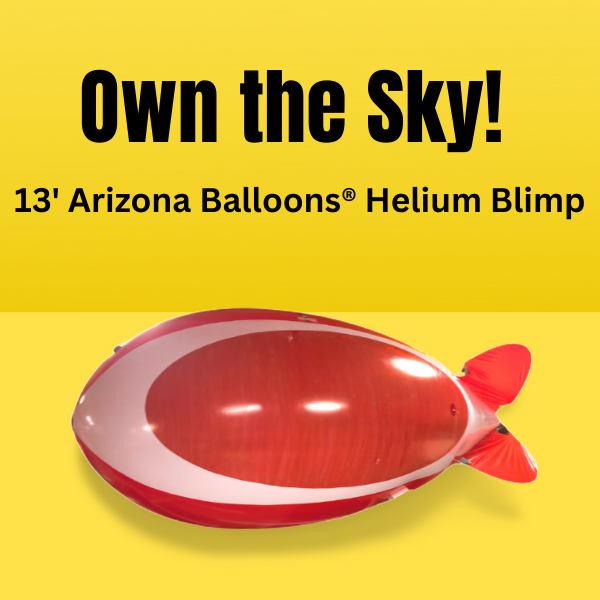
The core issue is material. Many advertising inflatables on the market are made from PVC, which is heavier and more porous, meaning it leaks helium faster and requires larger, more frequent fills. Polyurethane film, by contrast, is lighter and holds gas longer. According to a recent press release from Arizona Balloon Company, its 13-foot advertising blimp holds roughly 170 cubic feet of helium, while comparable PVC blimps from other manufacturers typically need several times that volume just to stay airborne for the same campaign length. Businesses considering an advertising blimp for an upcoming campaign may want to ask directly what material it’s built from before booking, since that single spec now determines whether a distributor can even fill the order.
Who’s Feeling the Pinch
The shortage isn’t hitting every helium user equally. Hospitals running MRI machines and semiconductor fabs using helium in chip production are largely being protected under supply contracts, while discretionary buyers are absorbing the cuts. That group includes party and event decorators, weather balloon programs, and the trade-show, home-building, and auto-dealer marketing teams that lean on inflatables for foot traffic and curb appeal. Helium spot prices are reported to have roughly doubled since March, and many distributors have capped allocations at half of prior volumes, forcing marketers to plan campaigns around gas availability for the first time in years.
How Long the Shortage May Last
Industry analysts have cautioned that repairing the damaged Qatari production trains could take years rather than months, with helium prices expected to stay elevated well beyond 2026. QatarEnergy’s own leadership has estimated a three-to-five-year repair timeline for the affected facilities. For marketing departments that budget outdoor advertising a season or a year in advance, that outlook is significant: helium efficiency is shifting from a nice-to-have line item to a standing procurement requirement, not a temporary inconvenience to wait out.
Questions to Ask Before You Book
Marketing managers weighing an inflatable campaign this fall have a few practical questions worth asking any supplier: What material is the balloon or blimp made from? How many cubic feet of helium does a fill require? Can the local gas distributor actually source that volume right now? And does the rental price already account for the number of top-offs a longer campaign will need? Getting clear answers up front can be the difference between a display that flies for the full length of a promotion and one that’s grounded halfway through.
What This Means for Your Marketing
Outdoor, location-based advertising has always worked because it’s hard to ignore — a large inflatable above a dealership lot or a new-home model row draws eyes that a yard sign or a digital ad simply can’t. The helium shortage doesn’t change that fundamental appeal, but it does change the logistics behind delivering it reliably. Businesses that treat gas efficiency as part of their vendor selection, rather than an afterthought, are better positioned to keep displays in the air through peak selling seasons like grand openings, model home tours, and year-end sales events.
For home builders and auto dealers in particular, the practical move is to lock in inventory and gas planning early rather than waiting until a launch date is close. Trade show exhibitors booking floor space months out should confirm with their inflatable vendor that helium sourcing is already secured for the event dates, not left to a last-minute distributor call. Businesses exploring helium advertising balloons for the first time may find that asking about construction material and gas efficiency up front saves both budget and scheduling headaches later in the campaign.
The broader lesson from this shortage is one of resilience: outdoor advertising works best when the equipment behind it is built to keep flying under real-world supply constraints, not just in ideal conditions. That’s a useful filter for any business evaluating a rental or purchase decision heading into 2027.
Sources
- As Global Helium Shortage Grounds Party Balloons and Strains Hospitals, an Arizona Manufacturer Says Its Advertising Blimps Fly on One-Third the Gas — Columbus News Online, September 10, 2026
- 2026 Helium Shortage: Why Recovery Will Take Years, Not Weeks — WestAir Gases
- The war’s helium shortage is bad news for more than balloons — Marketplace, March 30, 2026