Experiential Marketing Leads Small Business Ad Trends
By Arizona Balloon Company (arizonaballoon.com) | November 7, 2026
Experiential Marketing Takes Center Stage
Experiential marketing is shaping the advertising conversation this month, and small business owners have good reason to pay attention. In its November 2026 roundup, Trend Hunter reports that experiential storytelling and nostalgic partnerships continue to define the marketing category. The report describes brands pairing immersive activations with playful mascots and pop culture to stand out in a crowded market.
The publication says live activations account for many of the month’s biggest moments. Examples include immersive K-culture pop-ups, condiment mascot road tours, character-themed racing fan zones and championship sneaker pop-ups. In each case, a brand turns a campaign into a place people can visit, photograph and talk about. Most small businesses cannot match those budgets, but the underlying format scales down well: give customers something physical to notice and a reason to stop.
A Smarter, Less Forgiving Ad Market
The digital side of advertising is moving in a similar direction. A November 4 analysis from the Mean CEO startup blog describes an ad market that is more automated, more privacy-conscious and less tolerant of generic campaigns. It points to AI-driven search, retail media, autonomous marketing tools, large-scale creative testing, privacy-first measurement and interactive lead generation as the main forces at work.
The same analysis cites Smartly’s 2026 report, which found that 46 percent of marketers now use AI to scale creative. When more advertisers can produce polished digital content quickly, standing out online gets harder. That pressure is one reason local, physical formats such as helium advertising balloons are worth a second look from marketing managers who want visibility that does not depend on an algorithm. Arizona Balloon Company designs and builds this kind of eye-level and overhead display for businesses.

Cutting Through Holiday Feed Clutter
Timing adds urgency. A November social media roundup from Time Is Now Marketing notes that feeds fill quickly with sale promotions this month, which makes ordinary brand posts easy to scroll past. One trend it highlights encourages small businesses that make, style or pack products by hand to leave a few imperfections in their content. The goal is to feel less like a polished ad and more like a real conversation, and the guide suggests posting early in November, before promotional volume peaks.
Small Business Saturday falls on November 28 this year, giving local retailers a defined moment to compete for attention. Businesses that want to be noticed in person, and not only on a screen, have a few weeks to plan a visible street-level presence.
Where Aerial Advertising Fits Experiential Marketing
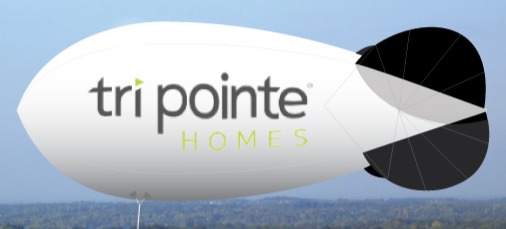
The common thread across these reports is that attention is earned through memorable, shareable moments. Helium advertising balloons and marketing blimps suit that approach because they are physical, visible from a distance and easy to photograph. Industry observers often point out that a tethered aerial display acts as a landmark, helping customers find a location and signaling that something is happening there.
The format applies across the industries Arizona Balloon Company serves. Home builders use aerial displays to mark model homes and community sales events. Auto dealers use them to draw drive-by traffic during promotions. Trade show exhibitors use them to lift a brand above a crowded floor. General businesses use them for grand openings, anniversaries and seasonal sales. These examples reflect how the products are typically used and are not drawn from the reports above.
Measuring Physical Campaigns
The Mean CEO analysis stresses tying advertising to real business outcomes such as qualified leads, booked calls and sales, instead of relying only on clicks. That advice applies to physical campaigns as well. A balloon or blimp display can point to a dedicated landing page, a QR code or a unique phone number, which lets owners see how many people responded to the activation.
The same analysis also highlights interactive formats such as quizzes and calculators as a way to qualify leads. A short offer page tied to an event display is a simple version of that idea: the aerial display attracts attention, and the digital step captures first-party contact information with the visitor’s consent.
What This Means for Your Marketing
This week’s reporting suggests that small businesses benefit from combining digital precision with real-world presence. Digital channels are getting more automated and more competitive, while live activations are drawing attention because they give people something to experience. A location-based plan lets a business use both: a visible on-site draw and a clear digital next step.
Owners planning for the holiday season can start with one concrete event, such as a sale weekend, an open house or a Small Business Saturday promotion. Pair the event with a visible aerial display, a single trackable offer and consistent branding across signage and social posts. Businesses exploring helium advertising balloons can then compare foot traffic and responses against a normal week.
Want to stand out outdoors? See our giant balloons and our balloon and blimp rentals.
Call 1-800-791-1445 or contact us for a quote.