Category: News

  • Small Business Advertising Costs Are Rising — Here’s What Owners Are Doing About It


    Small Business Advertising Costs Are Rising — Here’s What Owners Are Doing About It

    Small Business Advertising Costs Are Climbing in 2026 — Here’s How Owners Are Responding

    Arizona Balloon Company (arizonaballoon.com) — July 20, 2026

    Small business advertising costs rising in 2026, marketing budget concept

    Digital Advertising Costs Keep Climbing

    Small business advertising costs are once again a top concern for owners heading into the second half of 2026. New pricing breakdowns published this month show that management fees for search, social, and paid media campaigns continue to inch upward, even before ad spend itself is factored in. Agency management fees now typically run 10 to 20 percent of a business’s total ad budget, with standard monthly retainers ranging from $1,500 to $5,000, and that’s before accounting for the complexity of managing campaigns across multiple platforms. For many small business owners, that math is prompting a hard look at where marketing dollars are actually going, and whether there’s a more cost-effective way to get noticed. Companies exploring those alternatives can learn more at Arizona Balloon Company, which has spent decades helping local businesses stand out without competing in an increasingly expensive digital auction.

    Why This Matters for Small Business Owners

    Rising fees aren’t the only pressure point. Industry data shows that the cost of reaching a shared audience climbs whenever many businesses compete for the same attention, and industries like insurance, loans, and legal services already face steep costs because of that fierce competition. Home builders, auto dealers, and trade show exhibitors are feeling a similar squeeze; the more competitors bid on the same keywords or the same social feeds, the more expensive it becomes to be seen at all. That dynamic is pushing owners to diversify their marketing mix rather than pour every dollar into digital channels alone. For businesses that rely on physical foot traffic, a well-placed helium advertising balloon can capture attention from a highway or parking lot without ever entering a bidding war.

    Small business advertising costs rising in 2026, marketing budget concept

    The Shift Toward Local, High-Visibility Marketing

    As digital costs rise, local and location-based marketing is gaining renewed attention. Recent guidance for small businesses points out that optimizing a Google Business Profile and investing in local SEO is the most cost-effective starting point, since it requires no ongoing ad spend and targets buyers who already have high purchase intent. But local SEO alone doesn’t solve the problem of physical visibility; a business can rank well online and still be invisible to someone driving past on the street. That’s where large-format, location-based advertising has re-entered the conversation. A giant balloon or blimp positioned above a storefront, grand opening, or trade show booth functions much like local search: it targets people who are already nearby and already in decision mode, just through the sky instead of a search bar.

    The Growing Pressure to Prove ROI

    Budget scrutiny has intensified alongside rising prices. Broader pricing research shows digital advertising costs falling between roughly $301 and $5,000 per month for most businesses, with actual costs varying widely by platform, industry, and audience targeting. Owners are increasingly asking marketing partners to justify every dollar with measurable results, not just impressions or clicks. This is part of why simple, high-impact tactics are regaining favor: a balloon towering over a dealership lot or a blimp circling a stadium parking lot during a trade show doesn’t require a bidding algorithm to prove its value; the visibility is immediate and self-evident to anyone driving, walking, or parked nearby.

    Where Helium Balloons and Blimps Fit In

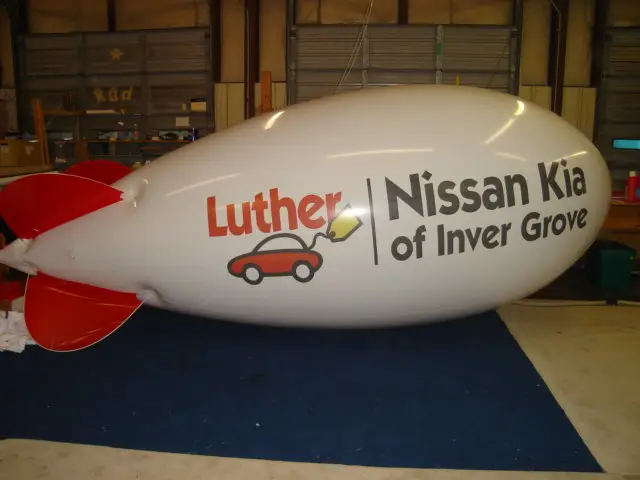
    For home builders marketing a new subdivision, auto dealers running a weekend sales event, or trade show exhibitors trying to be seen across a crowded convention floor, helium advertising balloons and marketing blimps offer something digital campaigns can’t: physical, unmissable presence in the exact location where customers already are. Unlike a paid search campaign that competes for the same eyeballs as every other advertiser, a large inflatable draws attention purely through scale and novelty. Businesses looking to diversify away from expensive digital-only strategies can explore marketing blimps as a way to extend visibility across an entire trade show hall, stadium, or business district for a single event or an entire season.

    Getting Started With Outdoor Advertising

    Businesses new to outdoor and inflatable advertising typically start small, with a single balloon at a grand opening or a seasonal blimp rental during a busy sales period, before expanding into recurring installations tied to specific campaigns. Because these assets are reusable across events, they often deliver a lower cost-per-impression over time than a comparable digital campaign, particularly for businesses in competitive local markets where digital ad auctions are already expensive.

    What This Means for Your Marketing

    The current environment rewards businesses that can be seen without constantly outbidding competitors for attention. As digital ad costs continue climbing and platforms grow more pay-to-play, outdoor and location-based marketing offers a way to reach the same nearby customers that local SEO and paid social are chasing, just through physical visibility instead of a screen. For home builders showcasing a new community, auto dealers hosting a weekend event, or trade show exhibitors competing for foot traffic on a crowded floor, that kind of visibility can be the difference between being noticed and being scrolled past.

    The strongest strategies right now combine both approaches: a strong local digital presence to be found online, paired with a physical presence that can’t be ignored in person. A large balloon on a busy corner or a blimp circling an event doesn’t need to win an ad auction to work; it simply needs to be seen, and that visibility compounds every time it’s reused for a future event.

    Businesses reassessing their marketing budgets this year may find that helium advertising balloons deliver a level of sustained, repeatable visibility that’s harder to achieve as digital costs keep rising.

    Sources


  • Home Builder Advertising Balloons Gain Importance as New Construction Cools


    Home Builder Advertising Balloons Gain Importance as New Construction Cools

    Home Builder Advertising Balloons Gain Importance as New Construction Cools

    Arizona Balloon Company (arizonaballoon.com) — July 18, 2026

    home builder advertising balloons flying above a new home community entrance

    New Residential Construction Data Signals a Slower Building Pace

    Home builders now have a fresh reason to invest in home builder advertising balloons and other high-visibility marketing tools. On July 17, 2026, the U.S. Census Bureau and the Department of Housing and Urban Development released the New Residential Construction report for June, and the numbers point to a builder market that is pulling back on new activity. Privately owned housing units authorized by building permits fell to a seasonally adjusted annual rate of 1,367,000 in June, a 3.0 percent decline from the revised May rate of 1,410,000 and a 2.3 percent drop from June 2025. Single-family authorizations slipped to 871,000, down 2.4 percent from May, while multifamily authorizations in buildings of five units or more came in at 445,000.

    Housing starts moved in the opposite direction, climbing to a seasonally adjusted annual rate of 1,427,000 for the month. That divergence between permits and starts is worth watching. When permits soften while starts hold steady, it often means builders are working through existing backlogs rather than confidently launching new communities. Businesses can visit Arizona Balloon Company for more context on how housing market shifts shape outdoor marketing decisions.

    Why Home Builder Advertising Balloons Matter in a Cooling Market

    A softer permit environment usually means fewer new projects competing for the same pool of qualified buyers, which raises the stakes for every grand opening, model home tour, and community launch. Builders who once relied on referrals or steady foot traffic now need to work harder to pull prospective buyers off the road and into a sales office. This is exactly the situation where home builder advertising balloons earn their keep. A giant inflatable arch over a community entrance, a rooftop balloon above a model home, or a helium column marking a sales trailer creates a landmark visible from a distance, something a yard sign or banner simply cannot match.

    Existing-home sales data reinforces the picture of a cautious buyer pool. The National Association of Realtors reported that existing-home sales decreased 2.4 percent in June 2026, with month-over-month declines in the Midwest, South, and West. Builders competing against a resale market that is itself softening need marketing that creates urgency and visibility rather than blending into the background.

    Fewer Permits, More Competition for Buyer Attention

    Single-family permit declines are particularly relevant for production home builders and custom builders alike. Fewer permits filed today generally means fewer active sales sites competing head-to-head a few months from now, but it also means every project that does move forward faces a smaller pool of house-hunting buyers. Builders in fast-growing metro areas cannot assume drive-by traffic will simply find their community. The visual footprint of a project, from entrance signage to sidewalk flags, becomes part of the sales strategy rather than an afterthought.

    home builder advertising balloons flying above a new home community entrance

    How Model Home and Grand Opening Marketing Is Shifting

    Builders responding to a tighter buyer pool are leaning more heavily on grand opening events, weekend open houses, and limited-time incentive promotions to generate traffic spikes. These events depend on visibility. A branded helium balloon shaped like a house, or a simple sky dancer positioned at a community’s main entrance, gives builders a low-cost way to signal that something is happening to everyone driving past. Builders exploring options for a launch event can review advertising balloons designed specifically for community entrances, model home rows, and grand opening weekends.

    Sales teams also report that repeat visibility matters more than a single big push. A balloon or arch that stays up for the life of a community’s active selling phase reinforces the brand every time a prospective buyer drives by, rather than relying on one open-house weekend to convert traffic.

    Advertising Blimps for Larger Community Launches

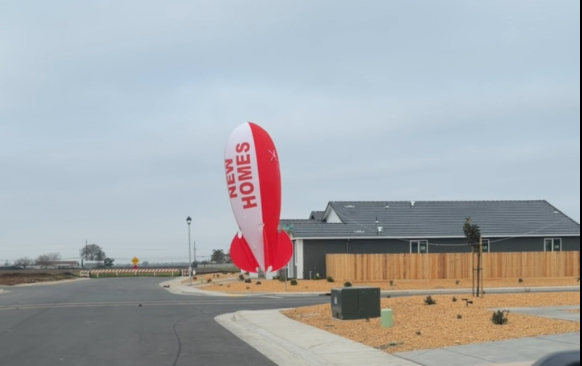
    For larger master-planned communities or multi-phase developments, some builders are turning to tethered advertising blimps that hover above a project site for extended visibility across a wider radius. Because blimps can be seen from major roads and highways well before a driver reaches the community entrance, they function almost like a billboard that moves with the wind and catches the eye differently than static signage. Builders evaluating a multi-week or seasonal marketing push can compare options for advertising blimps designed for extended outdoor use at active job sites and community launches.

    What This Means for Your Marketing

    When permit activity softens and buyer traffic tightens, the builders who keep their pipeline full are usually the ones who make their communities impossible to miss. Outdoor, location-based marketing works because it meets buyers where they already are, on the roads leading to a project, rather than waiting for them to search online. A well-placed helium advertising balloon or aerial marketing blimp can turn a passing car into a potential lead simply by being visible at the right moment.

    Builders do not need to overhaul an entire marketing budget to see the benefit. Adding a branded balloon to an existing grand opening event, or keeping a rooftop inflatable up throughout an active selling season, is a relatively low-cost addition that can meaningfully increase drive-by awareness. In a market where permits are down and buyers have more competing options, that extra visibility can be the difference between a quiet weekend and a full sales office.

    Businesses outside the home building space, including auto dealers and trade show exhibitors, face a similar dynamic during any period of softening demand: the brands that stay visible tend to stay top of mind. Reviewing current inventory and options at helium advertising balloons is a practical first step for any business looking to boost outdoor visibility heading into the back half of 2026.

    Sources


  • Home Builder Advertising Balloons Gain Appeal as Housing Inventory Rises


    Home Builder Advertising Balloons Gain Appeal as Housing Inventory Rises

    Home Builder Advertising Balloons Gain Appeal as Housing Inventory Rises

    By Arizona Balloon Company (arizonaballoon.com) | July 17, 2026

    Home builder advertising balloons flying above a new construction neighborhood

    Existing-Home Sales Cool as Inventory Climbs

    The National Association of Realtors reported that existing-home sales fell 2.4% month-over-month in June, even as they rose 2.8% year-over-year. It’s exactly the kind of shifting market where home builder advertising balloons can give a listing the edge it needs to stand out among a growing pool of competing properties. Housing inventory reached 1.56 million units, equal to a 4.6-month supply, up from 4.5 months in May. NAR Chief Economist Lawrence Yun noted that the median home price hit an all-time high even as affordability improved slightly on the back of wage growth outpacing price gains. He also cautioned that without consistent inventory gains, price growth could accelerate again, underscoring how quickly conditions can shift from month to month.

    For a deeper look at how these figures are tracked over time, industry teams regularly turn to resources like Arizona Balloon Company for guidance on translating market data into on-the-ground marketing decisions for builders and dealers alike.

    Buyers Gain Leverage in a Slower Market

    Regionally, the report showed sales declines in the South, Midwest, and West, with only the Northeast posting a month-over-month gain. That regional unevenness means builders and sellers in slower submarkets are facing longer days-on-market and more price-sensitive shoppers. Yun pointed to more than half a million jobs added since the beginning of the year as a supportive factor, but he was clear that affordability remains the swing variable driving month-to-month volatility in buyer activity. As homes take longer to move, builders exploring options such as an advertising blimp for new home communities are finding that aerial visibility helps recapture attention that used to come automatically in a hotter market.

    Home builder advertising balloons flying above a new construction neighborhood

    Why Visibility Matters More When Homes Sit Longer

    When inventory rises, buyers no longer feel pressure to act on the first listing they see. Instead, they compare, wait, and negotiate. That behavioral shift means builders and agents need to work harder to earn a second look. A well-priced, well-presented home still moves quickly, but the properties that sit unnoticed on page two of a listing site or behind a row of identical yard signs lose out on foot traffic during the critical first weeks on market.

    How Home Builder Advertising Balloons Solve the Problem

    This is where physical, large-scale visibility becomes a competitive advantage. Helium advertising balloons and inflatable arrow displays are visible from major roads and highway exits, often from a mile or more away, giving builders a way to pull drive-by traffic into a community that digital ads alone can’t reach. Unlike a static sign, a giant inflatable naturally draws the eye through movement and scale, which matters most in a market where buyers are comparing several communities before making a decision.

    A Cost-Effective Alternative to Traditional Signage

    With mortgage rates hovering in the mid-6% range and builders watching marketing budgets closely, cost-per-impression matters. Rental helium balloons and cold-air inflatables typically cost a fraction of a billboard or sustained digital ad campaign, while offering a physical presence that can be redeployed at open houses, model home grand openings, or weekend sales events. That flexibility is valuable in a market where sales activity can swing from month to month, as the June data illustrates.

    Beyond Builders: Auto Dealers and Trade Shows Take Note

    The same dynamics playing out in housing, more inventory, more buyer choice, and a greater need to stand out, apply directly to auto dealers managing lot inventory and trade show exhibitors competing for attention on a crowded floor. As consumers grow more comfortable shopping around before committing, businesses across categories are leaning on large-format inflatables to reclaim visibility that used to come more easily.

    What This Means for Your Marketing

    A more balanced housing market rewards businesses that invest in visibility rather than relying on inventory scarcity to do the selling for them. For home builders, that means treating outdoor, location-based marketing as a year-round strategy rather than a seasonal add-on. Highway-visible displays, weekend sales flags, and grand-opening inflatables give sales teams a way to convert passing traffic into walk-ins, which matters more when buyers are taking their time and comparing multiple communities before deciding.

    The same logic extends to auto dealers clearing lot inventory, trade show exhibitors trying to be seen across a convention floor, and general businesses competing for attention in a crowded local market. Physical, large-scale visibility, paired with digital marketing, creates a layered approach that reaches buyers wherever they are in their search.

    Businesses evaluating their outdoor marketing options can explore how helium advertising balloons fit into a broader visibility strategy, from single-event rentals to long-term community branding programs designed to keep foot traffic strong even as market conditions shift.

    Sources


  • Grand Opening Marketing: What Target’s 11-Store July Rollout Teaches Retailers


    Grand Opening Marketing: What Target’s 11-Store July Rollout Teaches Retailers

    Grand Opening Marketing: What Target’s 11-Store July Rollout Teaches Retailers

    Arizona Balloon Company (arizonaballoon.com) — July 16, 2026

    Grand opening marketing balloons and signage outside a new retail storefront

    1. Target’s Big July Expansion

    Grand opening marketing is having a moment this month as Target rolls out one of its largest single-month expansion pushes in years. According to reporting from Retail Dive, Target will open 11 new stores across the U.S. in July, adding to the retailer’s goal of opening 30 in 2026, with the new locations topping the retailer’s 125,000-square-foot chain average. Store Brands reports the grand openings will be held in Arizona, California, Colorado, Florida, Kentucky, Massachusetts, South Carolina, South Dakota, Utah, and Texas, with Texas welcoming two new locations this month alone.

    Retail Dive also notes that Target has opened 13 stores so far this year and earlier announced a $1 billion operational investment aimed at store-level changes, additional payroll, and training. It’s a reminder that even the largest national retailers treat every new-store launch as a full-scale marketing event, not just a logistics milestone.

    2. Why This Story Matters for Grand Opening Marketing

    Ten states, eleven storefronts, one month — that kind of coordinated rollout doesn’t happen without a deliberate playbook for driving first-day and first-week traffic. Independent retailers and home builders opening a single location can learn a lot from watching how a major chain times, promotes, and stages its launches. Whether you’re opening a flagship store or a new home community, the fundamentals of grand opening marketing scale up and down: create unmistakable visual signals, give people a reason to show up on day one, and keep the momentum going after the ribbon-cutting. For businesses shopping for large-format visual attractions to anchor an opening event, our advertising blimps page outlines how aerial branding can extend visibility for miles around a new location.

    Grand opening marketing balloons and signage outside a new retail storefront

    3. Avoiding “New Store Syndrome”

    Industry commentary published this month warns retailers about what one operator calls “new store syndrome.” As one retail strategy piece explains, once the novelty wears off, traffic often declines unless ongoing marketing efforts continue to engage customers, and a grand opening should be the launch of a year-round local store marketing strategy. The same source stresses that a successful grand opening creates awareness, generates excitement, and introduces a brand to the community, but more importantly provides the opportunity to turn first-time visitors into loyal, repeat customers.

    That distinction matters. A single busy opening day feels like a win, but it can mask a bigger problem: if the excitement doesn’t convert into repeat visits, the marketing spend hasn’t done its real job.

    4. The Visibility Problem Every New Store Faces

    One of the most consistent findings across grand opening guides is that awareness, not interest, is the first barrier. A franchise marketing checklist published this month points out that 97% of consumers go online to find and research local businesses, and that shoppers frequently need to encounter a brand multiple times before a launch date registers. The same guide notes that physical signage remains essential on the day itself, describing how a banner over the door, window clings, and both grand-format and standard signage can make a strong first impression on arriving guests.

    Digital ads and email campaigns build awareness ahead of time, but they can’t solve the problem of drive-by visibility on opening day itself — the moment when a passing driver decides whether to pull in or keep going.

    5. How Helium Balloons and Blimps Solve the Visibility Gap

    This is exactly where large-format inflatable advertising earns its place in the marketing mix. A giant helium balloon anchored above a storefront, or a tethered advertising blimp circling above a shopping center, is visible from distances that no yard sign, banner, or digital ad can match. For home builders opening a new community, auto dealers launching a lot-wide event, or trade show exhibitors trying to stand out on a crowded floor, the same principle applies: height and motion capture attention that flat signage cannot. Retailers evaluating options for an upcoming launch can browse ready-to-use inflatable shapes and custom branding options on our advertising balloons page, where sizes and rental terms are built around single-day events as well as extended, multi-week promotions.

    6. Turning One Day Into a Multi-Day Launch

    Retail strategists are increasingly recommending longer launch windows rather than single-day events. One recent industry article advises that rather than concentrating all activity into a single day, retailers should consider extending a grand opening into a multi-day or week-long event, since a longer celebration creates more opportunities for customers to visit while expanding reach across different customer segments. That approach also, as the same piece notes, allows a business to generate continued social media content and maintain excitement throughout the launch period.

    A multi-day event changes the visibility math. Inflatable displays that can stay up for a full week — rather than a single afternoon — give a business sustained curb appeal without the labor cost of daily setup and teardown, which is part of why rental balloon programs have become a standard line item in retail launch budgets.

    What This Means for Your Marketing

    The Target rollout is a useful case study precisely because it isn’t unusual — it’s a scaled-up version of the same challenge every new store, home community, or dealership faces: how do you make sure people notice you’re open before they’ve formed a habit of driving past? Outdoor, location-based marketing solves this by putting a visual signal directly in the path of foot and vehicle traffic, at the exact moment and place a purchase decision gets made.

    For retail and grand opening marketing specifically, the goal is to combine pre-launch digital awareness with unmistakable on-site visibility on the day itself, then sustain that visibility for as long as the budget allows. This is where large-format inflatables outperform static signage: they work day and night, require no screen or ad spend to be seen, and can be scaled from a single balloon to a full aerial display depending on the size of the event.

    Businesses planning an opening, remodel reveal, or seasonal promotion can pair traditional grand opening tactics with helium advertising balloons to extend visibility well beyond opening weekend, converting curiosity-driven foot traffic into the kind of repeat business every new location needs to succeed long term.

    Sources


  • Trade Show Booth Attraction: Why Attendee Psychology Is Reshaping Exhibit Strategy


    Arizona Balloon Company (arizonaballoon.com) — July 15, 2026

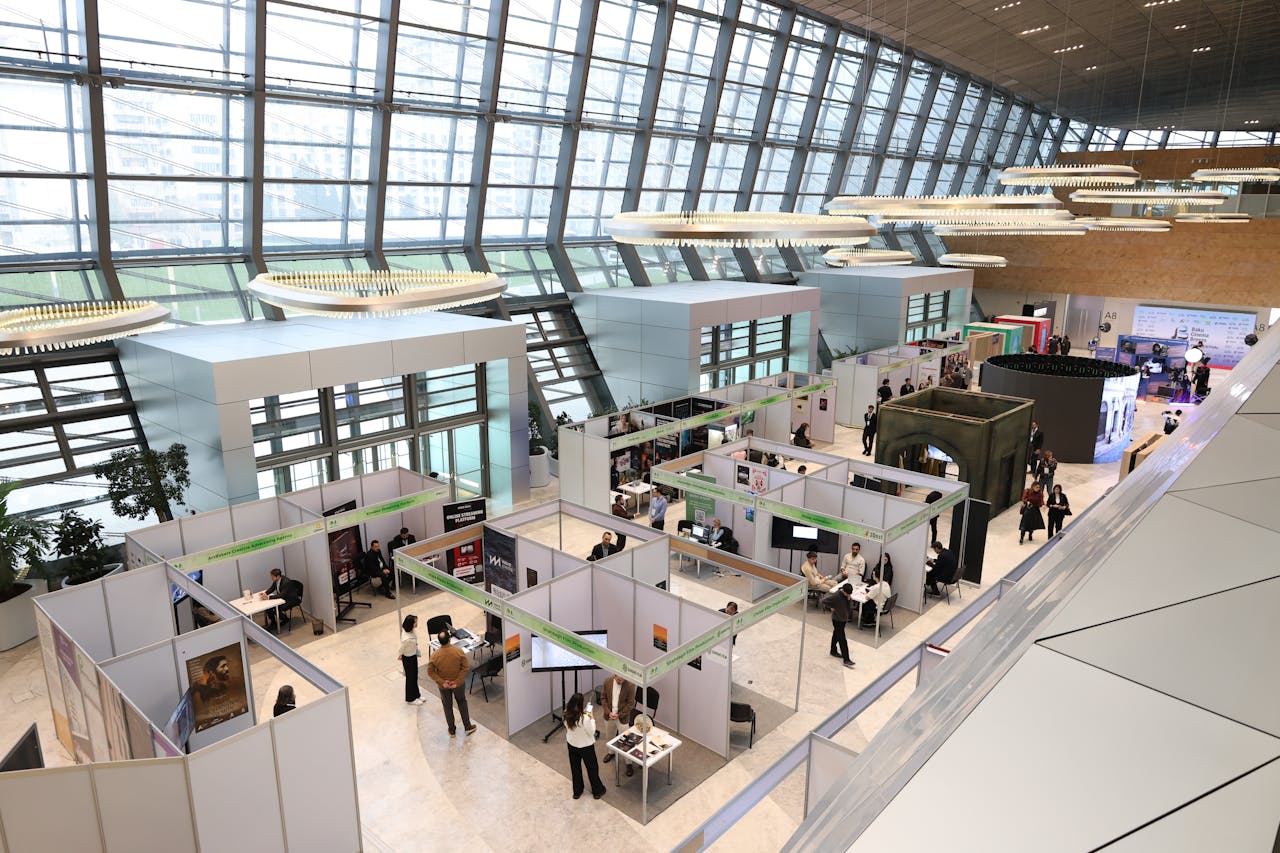
    Trade show booth attraction strategies in a busy convention hall exhibit

    The Psychology Behind Trade Show Booth Attraction

    A new industry report published this week is reframing how exhibitors think about trade show booth attraction. Rather than treating booth design as a purely aesthetic exercise, the research argues that attendees make subconscious, split-second decisions about which exhibits deserve their attention — decisions rooted in psychology, not just visual polish. According to the analysis, within seconds of entering a crowded hall, attendees are already filtering out most of what surrounds them, and only a handful of booths ever break through that filter.

    For Arizona Balloon Company, which works with exhibitors, home builders, and auto dealers across the country, the findings confirm something the outdoor advertising industry has long understood: attention is earned in the first few seconds, and it is earned through contrast, movement, and scale — not just clever signage at eye level.

    Why Cluttered Booths Lose the Crowd

    The report highlights a common exhibitor mistake: trying to say everything at once. Multiple headlines, dense product walls, and competing graphics create cognitive overload rather than curiosity, causing attendees to walk past rather than stop. The recommended fix is a simplified visual hierarchy — one clear focal point that tells attendees where to look first.

    This is where many booths struggle physically as well as visually. Once a show floor fills up, ground-level signage competes with neighboring booths, foot traffic, and sightline obstructions. A single standout element rising above the crowd solves the hierarchy problem before attendees ever reach the aisle. Exhibitors exploring options for that kind of standout element often look at custom helium advertising balloons as a way to create one unmistakable focal point above an otherwise busy floor.

    Trade show booth attraction strategies in a busy convention hall exhibit

    Visibility From a Distance: The Overlooked Advantage

    Much of the current research focuses on close-range design — lighting, materials, staff placement, and entrance flow. Those factors matter once an attendee is already within a few feet of a booth. But the studies largely leave out a critical earlier stage: how a booth gets noticed from across the hall in the first place. Before attendees can respond to intentional lighting or a welcoming layout, they first have to look in that direction at all.

    Large-format visuals solve exactly that problem. Because they occupy vertical space well above the sightline clutter of neighboring booths, they cut through the visual noise the report describes, giving attendees a reason to walk toward a specific aisle instead of drifting past it.

    How Helium Balloons and Blimps Fit Into the New Playbook

    Trade show marketers looking to apply this behavioral research practically have a straightforward tool available: aerial branding. Helium advertising balloons, inflatable arches, and tethered marketing blimps give exhibitors a way to claim visual real estate that ground-level competitors cannot match. Because these displays are visible from nearly anywhere on the show floor, they function as a wayfinding signal — attendees who saw a company’s name before the show, or who spot the balloon from across the hall, are far more likely to seek out that booth specifically rather than discover it by chance.

    This aligns directly with the report’s point about pre-show familiarity driving in-person engagement. A branded balloon visible during setup, or a blimp circling near a convention center, extends that recognition beyond the show floor itself.

    Pre-Show Familiarity and the Mere Exposure Effect

    One of the more actionable findings involves what psychologists call the “mere exposure effect” — people respond more positively to things they have already seen, even briefly. The report notes that exhibitors who promote their booth number and location ahead of time, through email, social media, or signage, see stronger foot traffic because attendees arrive already primed to look for them.

    Outdoor and aerial marketing extends this principle geographically. A blimp or rooftop balloon near a convention center, hotel corridor, or airport route can generate that same familiarity before attendees ever step onto the show floor, reinforcing brand recall the moment they walk in.

    What This Means for Your Marketing

    For trade show exhibitors, the takeaway from this research is not that booth psychology replaces outdoor and location-based marketing — it’s that the two work together. A well-designed booth interior earns engagement once attendees arrive; a highly visible exterior element earns the walk-over in the first place. Businesses investing heavily in interior design details like lighting and traffic flow should treat visibility from a distance as an equally important, earlier stage of the same funnel.

    This is particularly relevant for home builders, auto dealers, and trade show exhibitors competing in crowded convention centers or outdoor lots, where hundreds of competitors are vying for the same limited attention span. Aerial marketing gives these businesses a way to be seen first, before an attendee or drive-by customer has even decided where to walk or park.

    Companies weighing how to apply these insights to an upcoming show or dealership event can explore helium advertising balloons as a cost-effective way to extend reach beyond eye-level signage and reinforce the pre-show familiarity effect described in the research.

    Sources

  • Outdoor Advertising Formats Are Sending a Signal Long Before Anyone Reads the Copy


    Outdoor Advertising Formats Send a Signal Before a Word Is Read

    Outdoor Advertising Formats Are Sending a Signal Long Before Anyone Reads the Copy

    By Arizona Balloon Company (arizonaballoon.com) — July 14, 2026

    Outdoor advertising formats including billboards and inflatable displays used for brand marketing

    What the New Research Says About Format Perception

    A widely discussed industry column published this month argues that outdoor advertising formats are never neutral. According to the piece, every outdoor placement — a digital billboard, a wrapped truck, a wild-posted wall — communicates something about a brand before a single word of copy is ever read. The author, an experiential agency founder with two decades of campaign experience, contends that marketers who obsess over headlines while ignoring format context are missing the half of the equation that actually shapes first impressions. That framing has resonated with marketing managers and business owners who plan local and regional outdoor campaigns, because it reframes format selection as a strategic decision rather than a line-item budget choice.

    The core idea is simple: people do not consciously analyze media strategy when they see an ad, but they absorb a signal instantly. A billboard on a busy corridor reads as established and credible. A transit ad reads as accessible and everyday. A wrapped vehicle reads as active and present. None of these reactions require the viewer to process any written message — the format itself does the talking. For businesses that rely on outdoor and experiential advertising to compete for local attention, this is a useful reminder that the medium is part of the message.

    Why Format Choice Matters More Than the Media Plan Admits

    Media plans are often built around reach numbers, available budget, and whatever inventory a sales representative happens to be pushing that quarter. The research points out that this approach skips the more important question: what first impression does a business actually want to create when someone encounters its brand in the real world? A format that signals credibility works differently than one that signals urgency or novelty, and mismatching the two can undercut an otherwise strong campaign.

    This matters especially for businesses whose customers make high-consideration decisions on a short timeline — a new home purchase, a vehicle purchase, or a booth visit at a trade show. In these categories, the emotional read on a brand often happens in the few seconds before a prospect ever engages with a sales team. Choosing a format that reinforces trust, scale, or energy at that exact moment can be the difference between a passerby stopping and one who keeps walking.

    Outdoor advertising formats including billboards and inflatable displays used for brand marketing

    Where Helium Balloons and Blimps Fit Into the Format Conversation

    If a billboard signals “we are established” and a wrapped truck signals “we are active right now,” a giant helium advertising balloon or a marketing blimp overhead sends its own distinct message: something notable is happening here. Inflatable displays occupy a category of their own in the outdoor formats conversation because they combine scale, movement, and novelty in a way that static formats cannot. A 25-foot balloon tethered above a new home community or a dealership lot does not blend into the background the way a printed banner might; it interrupts the skyline, which is precisely why it earns a second look.

    For businesses evaluating custom advertising balloons as part of a local marketing mix, this research offers a useful lens. The question is not simply “will this get impressions,” but “what does this format say about us before anyone reads our sign.” An inflatable presence at a grand opening or model home event signals momentum and excitement in a way that few other outdoor formats can replicate at a comparable cost.

    The “Proof of Life” Signal and Mobile Advertising

    The research specifically calls out mobile and moving formats as sending a “proof of life” signal — evidence that a brand is actively present rather than simply buying static space. Marketing blimps extend that same logic into the air. A branded blimp circling above a stadium event, a fairground, or a busy retail corridor tells onlookers that a business has invested real effort into being seen at that moment, not just that it purchased ad inventory months in advance.

    This aerial visibility is particularly valuable for businesses competing in crowded outdoor environments, where dozens of ground-level signs and banners compete for the same sightlines. A blimp or tethered balloon rises above that clutter entirely, which is one reason event organizers and marketing teams continue to book them for high-traffic dates.

    Home Builders, Auto Dealers, and the Local Attention Race

    Home builders and auto dealers are two of the most format-sensitive categories in local advertising. Both rely on drive-by traffic and both compete directly with neighboring builders or dealerships that are often visible from the same road. In that setting, a format that reads as established and energetic can outperform a larger media buy that fails to send the right first impression. A helium balloon marking a new phase release or a dealership’s weekend sales event functions as a real-time signal that something is actively happening on site — exactly the kind of impression the research suggests marketers should be planning around, rather than treating as an afterthought.

    Trade Shows and the Cost of Blending In

    Trade show exhibitors face a compressed version of the same problem: hundreds of booths competing for attention in a single hall, often with similar signage and similar formats. A balloon or inflatable display rising above a booth changes the signal instantly, marking a location as active and worth a detour before an attendee reads a single word of the booth’s messaging. In an environment where format context does the talking first, that visibility advantage is difficult to replicate with printed signage alone.

    What This Means for Your Marketing

    The broader lesson from this research is that outdoor and experiential marketing decisions should start with a question, not a budget line: what impression do you want people to form about your brand the instant they see it, before they read anything at all? For home builders, dealers, and trade show exhibitors, that impression is often built through scale and visible energy rather than clever copy. Static signage can communicate permanence, but it rarely communicates momentum.

    This is where location-based, high-visibility formats earn their place in a marketing budget. A well-placed inflatable presence does more than add reach — it changes what a passing customer assumes about a business in the first few seconds of exposure, which is often before any sales conversation begins. Businesses planning a grand opening, a seasonal sales event, or a trade show appearance should weigh format perception as heavily as they weigh placement and cost.

    Companies exploring how to apply this thinking locally can look at helium advertising balloons as a way to add that “something is happening here” signal to an existing outdoor or event marketing plan, without needing to rebuild the entire campaign around it.

    Sources


  • Helium Shortage 2026: What Business Owners Need to Know About Supply and Pricing


    Helium Shortage 2026: What Business Owners Need to Know About Supply and Pricing


    Helium Shortage 2026: What It Means for Balloon Pricing and Advertising Budgets

    By Arizona Balloon Company (arizonaballoon.com) — July 13, 2026

    helium shortage 2026 industrial gas tanks and balloon supply

    What’s Driving the Helium Shortage 2026

    The helium shortage 2026 continues to ripple through supply chains months after it began, and there is still no quick fix in sight. The disruption traces back to military strikes on Qatar’s Ras Laffan Industrial City in March, which knocked out roughly one-third of global helium production and triggered a blockade of the Strait of Hormuz, helium’s primary export route. QatarEnergy has said repairs to the damaged production trains could take three to five years, meaning the market is adjusting to a structurally smaller supply rather than a short-term hiccup. For a full breakdown of the sourcing and rental process, businesses can visit Arizona Balloon Company to see how supply planning is being handled on the ground.

    Where Helium Prices Stand Right Now

    Major distributors have responded with rationing, force majeure declarations, and surcharges. Airgas declared force majeure on helium shipments in March, capping some customer allocations at roughly half of normal monthly volumes and adding a surcharge of about $13.50 per hundred cubic feet above contracted pricing. Spot prices for helium have roughly doubled since the crisis began, and logistics surcharges of up to 30% are now common even on existing supply contracts. Industry buyers say the squeeze is being felt hardest by customers who don’t hold long-term contracts, which is pushing many event and marketing companies toward suppliers who can guarantee volume, such as those offering advertising balloon rental programs with locked-in helium sourcing.

    helium shortage 2026 industrial gas tanks and balloon supply

    Why Balloon-Grade Helium Gets Cut First

    When helium runs tight, allocation follows a strict pecking order. Medical uses like MRI cooling sit at the top, followed by semiconductor manufacturing and aerospace. Scientific research falls in the middle. Lifting and balloon applications are consistently first in line for cuts, according to industry analysts tracking the crisis. That means party and promotional balloon suppliers without secured contracts are the ones most likely to see empty tanks or steep surcharges this summer and fall.

    How Home Builders and Auto Dealers Are Affected

    For home builders staging model-home openings and auto dealers running weekend lot promotions, this priority system matters directly. A supplier caught scrambling for spot-market helium passes those costs — and delays — straight to the client. Builders and dealers who rely on giant inflatable arrows, columns, or arch displays for grand openings are increasingly asking vendors how their helium is sourced before booking events months in advance, rather than calling a week out.

    Smart Alternatives: Helium-Free and Helium-Efficient Advertising

    One upside of the shortage is renewed interest in advertising options that don’t depend on helium at all. Cold-air inflatables, blower-powered dancing figures, and tethered marketing blimps that use minimal gas volume relative to their visual size are seeing increased demand from trade show exhibitors and auto dealers who want reliable, weather-permitting visibility without exposure to helium allocation cuts. A well-designed advertising blimp can deliver the same aerial brand presence as a giant helium balloon while using a fraction of the gas, which matters as supply tightens further.

    What Comes Next for Supply

    Analysts are not expecting fast relief. New production from Saskatchewan-based helium developers and expanded U.S. extraction sites is coming online, but exploration-to-production timelines are measured in years, not months. Most forecasts point to elevated prices persisting for two to three years even if geopolitical tensions ease, meaning marketing decision-makers should plan budgets around sustained, not temporary, cost increases.

    What This Means for Your Marketing

    For businesses that rely on outdoor and location-based visibility — home builders opening new communities, dealers driving weekend traffic, exhibitors competing for attention on a trade show floor — the helium market’s volatility is a good prompt to revisit how that visibility gets delivered. Locking in a rental or purchase agreement with a supplier who has secured helium sourcing removes a variable that’s largely out of your control, and it protects your event calendar from last-minute cancellations tied to allocation cuts.

    It’s also a good moment to diversify. Pairing traditional helium displays with cold-air inflatables or gas-efficient aerial pieces gives marketing teams flexibility if allocations tighten further heading into the busy fall selling season. Businesses that plan ahead, rather than sourcing helium reactively, tend to keep both their costs and their event timelines more predictable.

    Whether you’re weighing helium advertising balloons against lower-gas alternatives, working with a supplier who understands the current supply landscape helps you avoid surprises and keep your brand visible regardless of what the helium market does next.

    Sources


  • Dealership Sales Event Marketing Hits a Fever Pitch for America’s 250th July 4th


    Dealership Sales Event Marketing Hits a Fever Pitch for America’s 250th July 4th

    Dealership Sales Event Marketing Hits a Fever Pitch for America’s 250th July 4th

    Arizona Balloon Company (arizonaballoon.com) — July 11, 2026

    Dealership sales event marketing display with balloons and flags at a car lot during a July 4th promotion

    A Record-Setting Independence Day for Dealers

    Dealership sales event marketing has reached a new peak this July as automakers and local dealers tie their promotions to America’s 250th birthday. Reports this week describe Independence Day as one of the biggest advertised car-buying weekends of the year, alongside Memorial Day, Labor Day, and Black Friday. Brands from Ford to Genesis rolled out employee pricing, deep lease discounts, and 0% financing offers, many timed to expire within days of the holiday to create urgency. New-vehicle incentive spending has been running between roughly 6.5% and 7.2% of the average transaction price earlier this year, and holiday weekends typically stack another $500 to $1,500 in rebates on top of that baseline. For dealership owners and marketing managers, that means the competitive noise around every showroom is louder than usual, and standing out matters more than ever. Businesses that want practical ideas for local visibility can see examples on the Arizona Balloon Company homepage.

    Why This Year’s Push Is Different

    This year’s Fourth of July isn’t just another holiday sale — it lands on the 250th anniversary of American independence, and several brands leaned into that milestone with patriotic branding and messaging. Incentive spending has also concentrated more heavily on electric vehicles, full-size trucks, and leftover prior-model-year inventory, with EV incentives averaging more than $10,000 per vehicle in some cases. Meanwhile, fuel-efficient models like compact SUVs and sedans are moving quickly enough that dealers have little room to negotiate on those units. That split creates two very different marketing jobs at once: some inventory needs urgent, high-visibility promotion to clear it, while other inventory barely needs a push. Getting that balance right on the lot, and communicating it clearly to shoppers driving by, is a real logistical and creative challenge for dealership marketing teams this month.

    Dealership sales event marketing display with balloons and flags at a car lot during a July 4th promotion

    The Marketing Arms Race on the Lot

    Local dealers across the country are running their own versions of the national promotions, often layering regional financing offers, trade-in bonuses, and military or first-responder discounts on top of manufacturer incentives. Coverage of dealership promotions in Connecticut, Arkansas, Maryland, and Virginia this week shows a common pattern: patriotic branding, urgency-driven copy about limited-time offers, and heavy reliance on digital advertising to drive lot traffic. The challenge for many dealers is that digital ads alone don’t guarantee a shopper who is already driving past the store will notice the sale happening right now. That gap between online advertising and real-world foot traffic is exactly where physical, on-site marketing tools can make a measurable difference.

    From Digital Ads to Physical Presence

    Industry coverage this week also notes that artificial intelligence and generative engine optimization are reshaping how shoppers research vehicles before they ever set foot on a lot, with departments that once worked separately — sales, service, and marketing — increasingly expected to coordinate around a single customer journey. But even as research moves online, the final decision to stop at a specific dealership is still frequently made in the car, in real time, based on what a driver sees along the road. That reality keeps traditional on-site visibility tools relevant even in an AI-driven shopping environment, because no amount of search optimization replaces a driver noticing a sale happening as they pass by.

    Where Aerial Marketing Fits In

    This is where dealership sales event marketing benefits from tools built specifically for outdoor visibility. Large helium advertising balloons, inflatable arches, and tethered marketing blimps are designed to catch a driver’s attention from a distance, well before they reach the entrance. Dealers running short, high-pressure promotions like a holiday sales event need marketing that can go up quickly, stay visible all day, and come down just as fast once the sale ends. That is a very different requirement than a billboard lease or a long-term sign permit, and it’s why many dealership groups turn to rental balloon programs for weekend and holiday events specifically. A closer look at options built for this exact use case is available on the advertising balloons page.

    What This Means for Your Marketing

    The lesson from this week’s coverage is straightforward: national incentive announcements create a short, predictable window of consumer attention, and dealers who translate that national narrative into local, physical visibility tend to capture more of the traffic already driving past their lot. Digital advertising builds intent before a shopper leaves home, but outdoor, location-based marketing is what converts a passing driver into a walk-in during the actual event window.

    For auto dealers, that means treating physical lot presence as part of the same campaign as digital ads and manufacturer co-op spending, not as an afterthought. A giant inflatable arch over the entrance, balloon columns lining the front row of vehicles, or a tethered blimp visible from the main road all reinforce the urgency of a limited-time sales event in a way a website banner cannot. These tools are inexpensive relative to overall event marketing budgets and can be set up and struck down within a single weekend, which matches how most dealership sales events are actually structured.

    Dealerships planning their next promotional weekend, whether tied to a national holiday or a manufacturer incentive deadline, can explore helium advertising balloons as a straightforward way to add outdoor visibility to an already-planned digital and local advertising push.

    Sources

  • Home Builder Marketing Faces New Test as Incentives Hit a 15-Month High


    Home Builder Marketing Under Pressure as Incentives Reach 15-Month High

    Home Builder Marketing Faces New Test as Incentives Hit a 15-Month High

    By Arizona Balloon Company (arizonaballoon.com) — July 10, 2026

    home builder marketing team reviewing new construction sales strategy near model homes

    Builder Confidence Slips as Soft Market Persists

    Home builder marketing teams are entering the back half of 2026 with a tougher job than usual. The latest NAHB/Wells Fargo Housing Market Index fell two points to 35 in June, marking more than two years of negative readings for the sector. Current sales conditions, future sales expectations, and prospective buyer traffic all softened, reflecting a market where affordability remains the central obstacle for prospective homeowners. For sales and marketing leaders, that soft-traffic reading is the number that matters most — it means fewer walk-ins at model homes and fewer eyes on new communities, even in markets where inventory is growing. Builders who once relied on steady organic interest are now being forced to actively fight for attention, which is reshaping how home builder marketing budgets are being spent this summer.

    Learn more about how Arizona Balloon Company helps builders stand out in competitive markets, and see options for community grand openings on our advertising balloons page.

    The Incentive Era Is Becoming the New Normal

    Price cuts and incentives are no longer occasional tactics — they are standard operating procedure. In June, 35 percent of builders reported cutting prices, up from 32 percent in May, with the average reduction holding at 6 percent. Sales incentives were used by 62 percent of builders, the fifteenth consecutive month that figure has topped 60 percent. That consistency signals a structural shift: builders can no longer count on price alone to differentiate a community. When nearly two-thirds of competitors are offering rate buydowns, closing-cost credits, or design-center bonuses, the incentive itself stops being a headline and becomes table stakes. What separates a fast-selling community from a stalled one increasingly comes down to who gets noticed first.

    home builder marketing team reviewing new construction sales strategy near model homes

    Rising Inventory Means More Competition for Buyer Attention

    Census Bureau data through May shows new home supply at 10.3 months, the highest level in more than fifteen years, even as the seasonally adjusted sales pace slipped to 580,000 units. More finished and near-finished inventory sitting unsold means more communities competing for the same shrinking pool of qualified buyers driving neighborhood streets on a Saturday afternoon. In that environment, a builder’s physical presence — signage, flags, entrance visibility, sales office prominence — carries real weight. A buyer who cannot immediately spot which entrance leads to the model home, or which weekend event is happening where, is a buyer who may simply keep driving.

    Why Digital Marketing Alone Isn’t Closing the Visibility Gap

    Industry guidance for 2026 has pushed builders hard toward content marketing, live inventory feeds, and mobile-optimized websites, and those investments matter for capturing buyers earlier in their research. But digital tools do little for the buyer who is already driving through a submarket comparing three or four active communities in person. Website traffic does not fill a Saturday open house if a driver cannot find the entrance from the road. This is the gap between online lead generation and on-the-ground conversion, and it is where physical, location-based visibility still earns its place in a modern marketing plan.

    How Aerial Marketing Fits Into a Builder’s Toolkit

    This is precisely the situation where large-format, high-visibility marketing tools have a measurable role. A helium advertising balloon anchored above a community entrance, or a cold-air inflatable marking a grand opening, can be seen from far greater distances than a yard sign or a row of directional flags. For builders competing against a dozen incentive-driven neighbors in the same submarket, that extra visibility can be the difference between a car turning in and a car passing by. Weekend sales events, model home debuts, and limited-time incentive promotions all benefit from a visual anchor that draws attention from the main road, well before a buyer reaches the sales office door.

    Regional Differences Matter for Local Campaigns

    The June HMI data also showed sharp regional variation, with the Northeast rising six points to 50 while the South fell seven points to 29 and the West held flat at 27. Builders operating in softer regions face a steeper climb to generate traffic and may need to lean harder on visibility and event-driven promotion, while builders in stronger regions can use the same tools to reinforce momentum during a limited selling window. A one-size-fits-all national marketing plan is unlikely to perform evenly across such divergent local conditions, which is why many regional and division-level marketing teams are now budgeting for market-specific event support rather than a single company-wide campaign.

    What This Means for Your Marketing

    With incentives now a near-universal builder tactic and inventory sitting at its highest level in over a decade, differentiation has shifted from pricing to presence. Marketing dollars spent purely on digital channels are necessary but no longer sufficient when the buyer is already in the neighborhood weighing multiple communities side by side. Outdoor, location-based marketing gives builders a way to convert that drive-by moment into a walk-in, particularly during weekend events, model grand openings, and incentive promotions that need a short burst of high visibility.

    Builders and developers evaluating their fall selling-season strategy should consider how a physical visual anchor at the community entrance complements their digital lead-generation efforts rather than competing with them. Coordinating a scheduled event — a limited-time rate buydown weekend, a new phase release, or a model home debut — with a large-format visual element can extend the reach of paid digital promotion into the physical world where the buying decision is often finalized.

    For builders and homebuilder marketing teams looking to add that layer of visibility without a major capital investment, helium advertising balloons offer a flexible, event-ready option that can be deployed for a single weekend or an entire selling season.

    Sources


  • Consumer Distrust in Green Claims Is Pushing Brands Toward Sustainable Outdoor Advertising


    Sustainable Outdoor Advertising: Why Consumer Distrust in Green Claims Is Reshaping Marketing

    Consumer Distrust in Green Claims Is Pushing Brands Toward Sustainable Outdoor Advertising

    Byline: Arizona Balloon Company (arizonaballoon.com) — July 9, 2026

    Sustainable outdoor advertising balloon floating above a business storefront

    The Trust Gap Behind Green Marketing Claims

    A wave of new consumer research is putting pressure on how businesses talk about sustainability, and the findings point toward a growing opportunity in sustainable outdoor advertising. Shoppers are no longer taking eco-friendly claims at face value, and marketing teams that rely only on written statements about being “green” are finding those messages fall flat. Instead of asking customers to simply believe a claim, brands are being pushed to show real, visible action. That shift matters for every business owner who plans a marketing budget, from home builders promoting energy-efficient construction to auto dealers highlighting hybrid and electric inventory.

    Industry researchers describe this moment as a turning point where environmental concern remains high among consumers, but patience for vague or unproven marketing language has run out. For businesses that have leaned on sustainability messaging to differentiate themselves, the practical question is no longer whether to talk about green values, but how to prove them in a way people actually trust. Learn more about how Arizona Balloon Company helps businesses build visible, memorable campaigns at arizonaballoon.com.

    What the New Data Shows

    According to a newly released consumer sustainability report from research firm Kantar, environmental concern still ranks as the second-largest global issue based on unprompted consumer mentions, but only about a quarter of people believe brands are actually doing something meaningful about climate and environmental issues. Even more striking, more than half of consumers surveyed said they have personally seen or heard false or misleading claims about a brand’s sustainable actions. That statistic helps explain why traditional green marketing language, printed on packaging or buried in a website’s sustainability page, is losing its persuasive power.

    The report argues that brands need to help people take visible action rather than simply asking them to “care more,” and that proof, inclusion, and demonstrated follow-through matter more than polished messaging alone. For marketing decision-makers, this reframes the sustainability conversation away from copywriting and toward demonstrable, real-world presence.

    Sustainable outdoor advertising balloon floating above a business storefront

    Why Tangible, Visible Marketing Wins Trust

    If consumers are skeptical of written sustainability claims, the marketing channels that succeed going forward will be the ones that let people see a brand’s presence and effort directly, rather than reading about it. Physical, location-based marketing has an inherent advantage here: a giant helium balloon over a new home development or a blimp circling a stadium during a community event is not a claim, it is a fact people can watch happen. That kind of visible, in-person marketing builds a different kind of credibility than a paragraph of environmental language on a landing page.

    This does not mean every business needs to rebrand around sustainability messaging. It means that as digital ad claims face more scrutiny, real-world, visible marketing formats are becoming more valuable simply because they cannot be faked the way a written claim can.

    How Balloons and Blimps Fit Sustainable Outdoor Advertising

    Helium advertising balloons and marketing blimps are, by nature, an honest and demonstrative form of advertising. There is no ambiguity about what a business is doing when a branded balloon is anchored above a grand opening or a blimp is flying over a trade show; the presence itself is the message. As green marketing skepticism grows, this kind of straightforward, visible outdoor advertising stands in contrast to messaging that can feel exaggerated or unverifiable.

    Balloon and blimp companies, exhibitors, home builders, and auto dealers are also finding that reusable inventory fits naturally into a broader sustainability conversation. A durable, reusable advertising balloon or blimp used across multiple events lines up well with the “do, not just say” standard that current research suggests consumers now expect. Businesses exploring this approach can review options for advertising blimps or helium advertising balloons designed for repeated use across seasons and events.

    Practical Steps for Authentic Green Campaigns

    Marketing teams looking to respond to this trust gap have a few practical options. First, pair any sustainability claim with something visible and specific, rather than a general statement. Second, favor marketing formats that demonstrate presence and consistency over time, since one-time claims are the most likely to be viewed as greenwashing. Third, involve the local community directly, whether through an in-person event, a grand opening, or a sponsorship appearance, since research shows people respond better to inclusion and participation than to messaging alone.

    For businesses without a dedicated sustainability program, this is also a reminder that authenticity and visibility can matter more than a perfectly worded claim. A tangible, well-executed local marketing presence can build more consumer confidence than a sustainability statement that cannot be independently verified.

    What This Means for Your Marketing

    For home builders, auto dealers, trade show exhibitors, and general businesses, the current research is a signal to shift marketing dollars toward formats that people can see and experience directly. Outdoor, location-based advertising has always offered this advantage, and it is becoming more valuable as skepticism toward written or digital sustainability claims increases. A visible presence at a grand opening, community event, or dealership lot does more to build trust today than another paragraph of marketing copy.

    This is also a good moment to think about reuse and durability as part of a marketing strategy, not just as a cost-saving measure. Choosing helium advertising balloons or aerial marketing blimps that can be deployed across multiple campaigns and seasons supports both budget efficiency and the kind of consistent, visible brand presence that today’s more skeptical consumers respond to.

    Businesses that pair a genuine local presence with clear, honest messaging, rather than broad sustainability claims, are best positioned to earn attention in a marketplace where trust in green marketing has become harder to win and easier to lose.

    Sources