Helium Balloon Shortage Prompts Federal Action
By Arizona Balloon Company (arizonaballoon.com) | October 31, 2026
The Energy Department Names Helium a Critical Material
The helium balloon shortage drew a new federal response this week. According to CBS News, the U.S. Energy Department designated helium a critical material on a Friday, days after a 60 Minutes report on the supply chain crisis. Harvard Science Review dates the designation to October 23, 2026, and says it was made under the Energy Act of 2020.
The designation makes more federal financing available to helium producers. The department cited helium’s role in semiconductor manufacturing and advanced energy technologies. For business owners who buy helium-filled promotional products or rent aerial displays, the announcement confirms that the shortage is now a national policy issue.
Helium is best known for inflating balloons. CBS notes that it is also needed for smartphones, cars, and MRI machines, which means balloon buyers compete with much larger industrial customers.
Why the Helium Balloon Shortage Persists
The shortage traces back to the Iran war. CBS reports that the closure of the Strait of Hormuz in February trapped about one-third of global helium supply in the Persian Gulf. Iranian strikes in March then hit Qatar’s Ras Laffan facility, which produces helium as a byproduct of natural gas. Qatar has said it would take at least three years to bring the facility back to full operation.
The 60 Minutes transcript adds that spot prices have roughly tripled and that no ships carrying helium are leaving Qatar. Nearly two dozen ships have been hit while attempting to pass through the strait since September. A supplier blog from WestAir estimates the shortage could last up to five years, with elevated prices for as long as three.
Harvard Science Review cautions that the new designation is a policy signal rather than a supply fix. It points to Russian export controls introduced in April 2026 as another factor, and notes that policy effects will depend on how much production capacity actually comes online. Buyers of custom advertising balloons should expect continued price pressure.

Lifting Gas Is Low on the Priority List
In a shortage, suppliers ration helium by importance. C&EN reports that helium sold for party balloons and other lifting uses gets cut off first, according to an industry analyst it interviewed. Chip fabrication, medical imaging, and research are served ahead of promotional use.
C&EN also describes logistics surcharges of up to 30 percent, even on existing supply contracts, and a spot price that had doubled by May to around $190,000 per metric ton. Those figures come from earlier in the crisis, but they show how costs can reach small buyers through fees and allocations as well as headline prices.
For marketing managers, the practical risk is availability. A promotion planned around a grand opening, a trade show, or a dealership sale can be disrupted if a supplier cannot fill an order on schedule.
Advertising Balloons and Blimps in a Tight Market
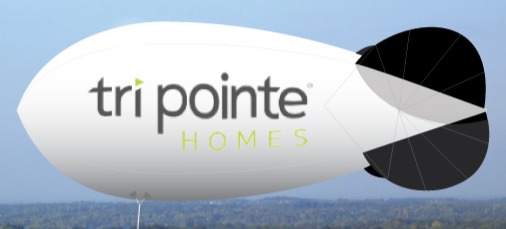
Industry insight: the shortage changes how businesses should think about aerial advertising. A helium-filled advertising balloon or marketing blimp is a durable, reusable asset when it is built and maintained well. Because helium is the cost that keeps rising, the value of a display depends on how many days it flies, how little gas it loses, and how well the envelope is sealed and repaired.
That favors operators who treat aerial media as a planned investment. Home builders can anchor a model-home weekend with one large display rather than dozens of small inflatables. Trade show exhibitors and auto dealers can rent advertising blimps for specific events rather than keeping gas-dependent displays on site year-round. Proper servicing, including leak repair and correct inflation, also reduces the helium needed over the life of a display.
How Businesses Can Plan Around Helium Costs
The reporting suggests several planning principles. First, book earlier, since late orders are the most exposed to allocation problems. Second, ask suppliers how a quote handles gas surcharges, delivery fees, and refill costs. Third, concentrate spending on fewer, larger, longer-running displays instead of many short-lived items.
Fourth, keep a backup plan. Pairing an aerial display with signage, vehicles, or flags reduces the damage if an inflation date slips. The Energy Department’s designation may eventually support new domestic production, but nothing in the retrieved coverage suggests prices will fall soon. Businesses should budget for sustained volatility instead of a quick rebound.
What This Means for Your Marketing
Outdoor and location-based marketing still rewards visibility, and a tall aerial display remains one of the few tactics that can be seen from a distance and from the road. The shortage does not remove that advantage. It raises the cost of careless use and rewards businesses that plan their placement, timing, and duration with care.
Decide where the display will have the most effect: a community entrance for a home builder, a lot corner for a dealership, a booth approach at a trade show. Match it to a short list of dates when foot or vehicle traffic is highest. Track results with a dedicated phone number, landing page, or event code so you can judge whether the spend justified itself.
If you are weighing your options, helium advertising balloons remain a proven way to draw attention when they are scheduled early, sized to the site, and maintained properly. Talk to your supplier now about lead times and costs before your next campaign.
Watching helium costs? Try our helium cost calculator and read our 2026 helium shortage guide.
Call 1-800-791-1445 or contact us for a quote.