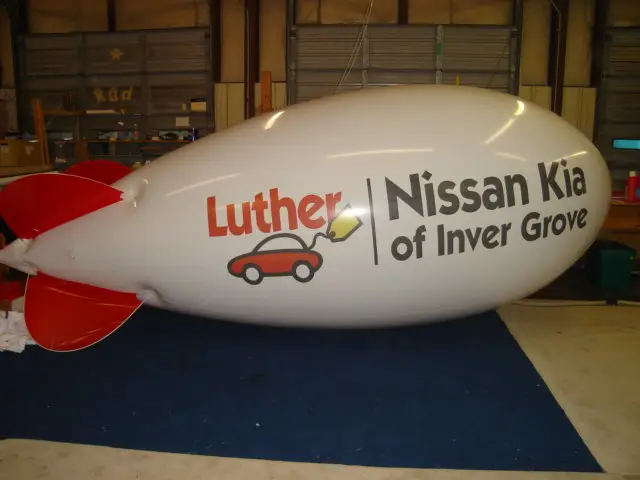
Tag: lot traffic

  • Auto Dealer Advertising Strategy: Closing the AI Search Gap

    Auto Dealer Advertising Strategy: Closing the AI Search Gap

    Why Every Auto Dealer Advertising Strategy Needs an Update — Starting With the AI Search Gap

    By Arizona Balloon Company (arizonaballoon.com) — August 15, 2026

    Auto dealer advertising strategy signage and balloons outside a car dealership lot

    The Story: A Growing AI Gap on the Sales Floor

    A new industry report is forcing dealership marketing teams to rethink their auto dealer advertising strategy for the second half of 2026. Cox Automotive’s AI in Auto Retail Tracker, released this week, found that 63% of in-market vehicle shoppers say they will definitely or probably use AI tools during their next vehicle purchase. Yet only 29% of dealerships report having adjusted their marketing or search strategy to account for that shift. The gap between how buyers now research vehicles and how dealers present themselves online has widened rather than closed between the first and second quarters of the year.

    The report also found that while 82% of dealerships already use AI in some form, most of that usage is internal — automating follow-up, drafting marketing copy, or streamlining operations — rather than aimed at how a shopper actually finds a dealership through an AI-powered search result. For a full overview of dealership marketing resources, visit Arizona Balloon Company, which works with dealers nationwide on visibility strategies that go beyond the screen.

    Why It Matters for Dealership Marketing Budgets

    Marketing directors and general managers should read this data as a warning about concentration risk. Dealership ad spend has increasingly clustered around digital channels — paid search, social, and third-party listing sites — on the assumption that online visibility alone converts to showroom visits. But the tracker found AI tools are now nearly tied with dedicated automotive websites as a research source for shoppers, and one in three dealers using AI still can’t measure whether it is producing results. That combination — rising AI dependence among shoppers and unclear measurement among dealers — creates an opening for competitors who diversify how they reach buyers, including through highly visible, low-cost local advertising like helium advertising balloons positioned at the dealership entrance.

    Auto dealer advertising strategy signage and balloons outside a car dealership lot

    From Screen to Screen to Showroom: Why Foot Traffic Still Decides Sales

    Notably, the Cox Automotive findings do not suggest shoppers are trying to avoid dealerships altogether. Among AI users, avoiding dealer interaction ranked among the least-cited reasons for turning to AI, and roughly a quarter of shoppers said AI actually made them feel more prepared once they arrived at a dealership. In other words, AI is changing where the vehicle search begins, not where the sale finishes. The transaction, test drive, financing conversation, and trade-in appraisal still happen in person, on the lot.

    That distinction matters for budget planning. If AI is filtering and narrowing the field before a shopper ever calls or visits, then the dealerships that stand out physically once a shopper arrives in the area — through signage, banners, and unmistakable curb appeal — have an advantage that a search algorithm cannot replicate. A dealership that ranks well in an AI-generated answer but looks indistinguishable from three competitors down the same strip has still lost half the battle.

    Physical Visibility Still Wins the Last Mile

    Local, location-based advertising has always played a “last mile” role in retail marketing, and that role is arguably more important now, not less. As digital discovery becomes automated and commoditized — every dealership using similar AI tools, similar chatbots, and similar inventory feeds — the dealerships that differentiate themselves in the physical world capture a disproportionate share of drive-by and cross-shopping traffic. Shoppers who have already done AI-assisted research still drive past three or four competing lots on their way to the one they chose. What they see during that drive shapes which lot they actually stop at.

    Where Helium Balloons and Blimps Fit an Auto Dealer Advertising Strategy

    This is where large-format, location-based advertising earns its place back in the marketing mix. Giant helium balloons, inflatable arches, and rooftop-tethered displays create unmissable visual anchors that pull attention from the road, something no search ranking can do. Dealers running seasonal sales events, model-year clearances, or grand openings frequently pair digital campaigns with an advertising blimp flown above the lot to extend visibility for miles, reinforcing the online message with a physical landmark shoppers can navigate toward in real time.

    Framed against the AI search gap identified in the Cox Automotive report, this is less a nostalgic tactic and more a hedge. Dealerships betting everything on digital visibility are exposed if their AI optimization lags competitors; dealerships that also invest in commanding, physical local presence protect themselves regardless of how quickly search behavior shifts.

    Getting Started at Your Dealership

    Marketing teams evaluating their next quarter’s plan should treat this report as a prompt to audit both ends of the funnel — how shoppers find them through AI-powered search, and how shoppers experience the dealership once they are in the area. Low-cost, high-visibility tools like balloons, arches, and blimps typically require no long-term contract and can be deployed around specific sales events, making them an easy complement to ongoing digital investment rather than a replacement for it.

    What This Means for Your Marketing

    The lesson from this week’s Cox Automotive data isn’t that digital marketing has failed dealerships — it’s that digital alone is no longer sufficient to guarantee visibility. As AI search tools increasingly filter which dealerships even appear in a shopper’s consideration set, the dealerships that also invest in strong local, location-based marketing reduce their dependence on any single channel. Outdoor advertising has a unique advantage here: it works regardless of algorithm changes, platform updates, or how a chatbot ranks results.

    For auto dealers, this typically means layering large-format signage, seasonal event promotion, and eye-catching displays on top of digital campaigns rather than choosing one over the other. A shopper who found a dealership through an AI assistant still needs a reason to choose that lot over the next one down the road — and highly visible, well-timed local advertising is one of the most direct ways to give them that reason.

    Dealerships looking to diversify their marketing mix beyond digital search can explore helium advertising balloons as a way to build immediate, high-visibility local presence around sales events, grand openings, and model launches — a strategy that complements, rather than competes with, an AI-era digital plan.

    Sources

  • Auto Dealer Marketing Strategy Shifts as Vehicle Prices Hit Record Highs

    Auto Dealer Marketing Strategy Shifts as Vehicle Prices Hit Record Highs

    Auto Dealer Marketing Strategy Shifts as Vehicle Prices Hit Record Highs

    By Arizona Balloon Company (arizonaballoon.com) | July 27, 2026

    Auto dealer marketing strategy dashboard used by dealership managers to plan local advertising

    Record Prices Are Forcing a New Auto Dealer Marketing Strategy

    A new auto dealer marketing strategy is taking shape across the United States as new-vehicle prices hit record levels and shoppers become far more selective about where they spend. According to a Q2 2026 industry report released by automotive analytics firm Catalyst IQ, new vehicle prices reached an average of $52,016 in the second quarter, up more than $1,200 from the prior quarter. Despite the higher price tags, demand held steady, and dealers who reacted quickly to local market shifts protected their margins better than those relying on decades-old, one-size-fits-all advertising approaches. For a closer look at how dealerships are turning heads locally, visit Arizona Balloon Company for options built specifically for showroom visibility.

    Why Broad Advertising No Longer Works

    Industry analysts point to a fragmented buying landscape as the core reason blanket advertising campaigns are losing effectiveness. Every market, brand, and even individual VIN now behaves differently, according to Catalyst IQ’s Vice President of Analytics, Rick Wainschel. Dealers who once ran the same regional radio spot or billboard campaign across every store are finding that shoppers respond better to hyper-local, highly visible marketing that reaches people close to the lot, at the moment they’re deciding where to buy. That shift is opening the door for dealers to pair digital targeting with attention-grabbing, on-site tools like advertising blimps that draw drive-by traffic without competing in an increasingly crowded digital ad auction.

    Auto dealer marketing strategy dashboard used by dealership managers to plan local advertising

    The Data Behind the Shift

    The numbers tell a clear story about how quickly the market is moving. Used vehicle turn rates climbed to 73% in Q2, with days-to-move dropping below 40 for the first time in nearly three years, while certified pre-owned inventory grew nearly 4% quarter-over-quarter to meet demand. Consumers are gravitating toward smaller SUVs, sedans, and hybrids as fuel efficiency and value take priority over size. For dealers, this means inventory that sells fastest also needs the fastest, most visible marketing turnaround — a lot flag, banner, or balloon can be repositioned in hours, unlike a print or broadcast campaign booked weeks in advance.

    M&A Activity Signals a Tightening Market

    The pressure on margins is also reshaping ownership. Industry reporting from WardsAuto notes that buy-sell activity among dealership groups is accelerating, with strong demand for Toyota and other high-quality franchises as buyers pursue what one advisor called a “flight to quality.” As larger groups consolidate and smaller independent stores compete for the same shrinking pool of local buyers, standing out physically in a market becomes just as important as ranking well online.

    Where Physical, Local Visibility Fits In

    Digital advertising still matters, but industry commentary consistently points back to one constraint: digital campaigns only reach people already searching. Dealers report growing interest in combining online personalization with real-world signals that catch the attention of drivers who haven’t started shopping yet. That’s why lot flags, inflatable arches, and rooftop balloons remain a fixture at high-turn dealerships — they extend a dealer’s reach beyond the customers already typed into a search bar.

    Balloons and Blimps as a Precision Marketing Tool

    This is where helium advertising balloons and marketing blimps offer dealers a practical advantage inside a data-driven auto dealer marketing strategy. Rather than a static billboard locked into a single message for months, a rooftop balloon or tethered blimp can be swapped, rebranded, or repositioned in a single afternoon to match whatever segment is moving fastest — hybrids one week, certified pre-owned the next. Paired with the kind of VIN-level, segment-specific insight analytics firms are now pushing dealers to adopt, physical visibility becomes another lever dealers can pull with the same speed and precision as a digital ad refresh.

    What This Means for Your Marketing

    For auto dealers navigating record prices and shifting shopper priorities, the lesson from this data is straightforward: precision beats volume. That applies not just to digital targeting but to every visible touchpoint on the lot. A dealership that can quickly signal “certified pre-owned now available” or “hybrid inventory just arrived” to passing traffic is capturing shoppers that broad digital campaigns miss entirely.

    Outdoor, location-based marketing remains one of the fastest and most cost-effective ways to do this. Unlike a repainted sign or a new billboard lease, helium advertising balloons can be deployed, changed, or scaled up during a promotion and scaled back down afterward, giving dealers a flexible tool that matches the pace of today’s fragmented, fast-moving market.

    As consolidation continues and competition for local buyers intensifies, dealers who invest in both smart data and strong physical presence will be the ones best positioned to protect margin and win foot traffic in their market.

    Sources

  • Dealership Sales Event Marketing Hits a Fever Pitch for America’s 250th July 4th


    Dealership Sales Event Marketing Hits a Fever Pitch for America’s 250th July 4th

    Dealership Sales Event Marketing Hits a Fever Pitch for America’s 250th July 4th

    Arizona Balloon Company (arizonaballoon.com) — July 11, 2026

    Dealership sales event marketing display with balloons and flags at a car lot during a July 4th promotion

    A Record-Setting Independence Day for Dealers

    Dealership sales event marketing has reached a new peak this July as automakers and local dealers tie their promotions to America’s 250th birthday. Reports this week describe Independence Day as one of the biggest advertised car-buying weekends of the year, alongside Memorial Day, Labor Day, and Black Friday. Brands from Ford to Genesis rolled out employee pricing, deep lease discounts, and 0% financing offers, many timed to expire within days of the holiday to create urgency. New-vehicle incentive spending has been running between roughly 6.5% and 7.2% of the average transaction price earlier this year, and holiday weekends typically stack another $500 to $1,500 in rebates on top of that baseline. For dealership owners and marketing managers, that means the competitive noise around every showroom is louder than usual, and standing out matters more than ever. Businesses that want practical ideas for local visibility can see examples on the Arizona Balloon Company homepage.

    Why This Year’s Push Is Different

    This year’s Fourth of July isn’t just another holiday sale — it lands on the 250th anniversary of American independence, and several brands leaned into that milestone with patriotic branding and messaging. Incentive spending has also concentrated more heavily on electric vehicles, full-size trucks, and leftover prior-model-year inventory, with EV incentives averaging more than $10,000 per vehicle in some cases. Meanwhile, fuel-efficient models like compact SUVs and sedans are moving quickly enough that dealers have little room to negotiate on those units. That split creates two very different marketing jobs at once: some inventory needs urgent, high-visibility promotion to clear it, while other inventory barely needs a push. Getting that balance right on the lot, and communicating it clearly to shoppers driving by, is a real logistical and creative challenge for dealership marketing teams this month.

    Dealership sales event marketing display with balloons and flags at a car lot during a July 4th promotion

    The Marketing Arms Race on the Lot

    Local dealers across the country are running their own versions of the national promotions, often layering regional financing offers, trade-in bonuses, and military or first-responder discounts on top of manufacturer incentives. Coverage of dealership promotions in Connecticut, Arkansas, Maryland, and Virginia this week shows a common pattern: patriotic branding, urgency-driven copy about limited-time offers, and heavy reliance on digital advertising to drive lot traffic. The challenge for many dealers is that digital ads alone don’t guarantee a shopper who is already driving past the store will notice the sale happening right now. That gap between online advertising and real-world foot traffic is exactly where physical, on-site marketing tools can make a measurable difference.

    From Digital Ads to Physical Presence

    Industry coverage this week also notes that artificial intelligence and generative engine optimization are reshaping how shoppers research vehicles before they ever set foot on a lot, with departments that once worked separately — sales, service, and marketing — increasingly expected to coordinate around a single customer journey. But even as research moves online, the final decision to stop at a specific dealership is still frequently made in the car, in real time, based on what a driver sees along the road. That reality keeps traditional on-site visibility tools relevant even in an AI-driven shopping environment, because no amount of search optimization replaces a driver noticing a sale happening as they pass by.

    Where Aerial Marketing Fits In

    This is where dealership sales event marketing benefits from tools built specifically for outdoor visibility. Large helium advertising balloons, inflatable arches, and tethered marketing blimps are designed to catch a driver’s attention from a distance, well before they reach the entrance. Dealers running short, high-pressure promotions like a holiday sales event need marketing that can go up quickly, stay visible all day, and come down just as fast once the sale ends. That is a very different requirement than a billboard lease or a long-term sign permit, and it’s why many dealership groups turn to rental balloon programs for weekend and holiday events specifically. A closer look at options built for this exact use case is available on the advertising balloons page.

    What This Means for Your Marketing

    The lesson from this week’s coverage is straightforward: national incentive announcements create a short, predictable window of consumer attention, and dealers who translate that national narrative into local, physical visibility tend to capture more of the traffic already driving past their lot. Digital advertising builds intent before a shopper leaves home, but outdoor, location-based marketing is what converts a passing driver into a walk-in during the actual event window.

    For auto dealers, that means treating physical lot presence as part of the same campaign as digital ads and manufacturer co-op spending, not as an afterthought. A giant inflatable arch over the entrance, balloon columns lining the front row of vehicles, or a tethered blimp visible from the main road all reinforce the urgency of a limited-time sales event in a way a website banner cannot. These tools are inexpensive relative to overall event marketing budgets and can be set up and struck down within a single weekend, which matches how most dealership sales events are actually structured.

    Dealerships planning their next promotional weekend, whether tied to a national holiday or a manufacturer incentive deadline, can explore helium advertising balloons as a straightforward way to add outdoor visibility to an already-planned digital and local advertising push.

    Sources

  • Auto Dealer Outdoor Advertising: The 2026 Competitive Edge


    Auto Dealer Outdoor Advertising: The 2026 Competitive Edge

    Auto Dealer Outdoor Advertising: The 2026 Competitive Edge

    By Arizona Balloon Company (arizonaballoon.com) — June 24, 2026

    auto dealer outdoor advertising with helium balloons on a car lot

    The 2026 Auto Sales Market: Steady but Competitive

    Auto dealer outdoor advertising has never been more strategically important than it is heading into the second half of 2026. The U.S. auto retail market has stabilized after years of pandemic-era volatility, but conditions still demand sharper marketing decisions from dealers of all sizes. S&P Global Mobility projects total U.S. light vehicle sales at roughly 15.8 million units in 2026, a modest decline from the 16.38 million units sold in 2025. Against this backdrop, standing out at the local level is not a luxury—it is a requirement.

    Affordability remains the central pressure point for both buyers and dealers. Tariffs have pushed new-vehicle sticker prices higher, with increases in the 2–4 percent range expected for 2026 models. Electric vehicle demand is cooling following the rescission of federal tax credits, with EV market share projected to dip from 7.5 percent in 2025 to approximately 6 percent this year. Meanwhile, buyers are gravitating toward used vehicles, hybrids, and fuel-efficient alternatives. For dealerships, this means the buying cycle is longer, comparison shopping is more intensive, and brand visibility throughout the consideration window matters more than ever before.

    The Automotive News 2026 Top 150 Dealership Groups report reinforced that concentrated market share is growing: the top 10 groups now account for more than 11 percent of all U.S. new-vehicle retail and fleet sales. Independent and mid-sized dealers must compete intelligently with resources that larger groups take for granted—including consistent, high-visibility local marketing.

    Why a Digital-Only Strategy Falls Short in Today’s Market

    The dominant narrative in automotive marketing circles has focused on AI-powered lead scoring, generative engine optimization (GEO), and first-party data strategies. These tools are increasingly important, and no serious dealer should ignore them. According to research published by Fullpath, traffic to dealership websites driven by AI platforms like ChatGPT increased 15 times year-over-year from 2025 to 2026, signaling that younger buyers now research vehicles through large language models before ever visiting a lot.

    Yet industry analysts and marketing experts are unified on one point: a reactive, digital-only approach is no longer sufficient. Dealerships that are gaining market share in 2026 are investing across paid, owned, and physical channels. The average car buyer still spends more than 14 weeks in market before selecting a dealership and visits upward of 18 online sources during that time. When they are finally ready to make a decision, proximity, visibility, and a trusted local presence close the deal.

    The ACV Auctions 2026 Dealership Marketing report notes that the dealerships outperforming competitors are those treating marketing as a measurable growth engine, not a fixed expense. That means integrating in-store and physical visibility with digital channels—not replacing one with the other.

    auto dealer outdoor advertising with helium balloons on a car lot

    The Structural Advantage of Out-of-Home Advertising for Dealerships

    Out-of-home (OOH) advertising holds a structural advantage for car dealerships that few other formats can match. According to marketing research compiled by Vertical Impression, dealerships that maintain a consistent OOH presence—including formats positioned near high-traffic commuter corridors—report up to 40 percent higher unaided brand recall among in-market auto shoppers compared to those running digital-only campaigns. The reason is straightforward: OOH advertising reaches people while they are already in a vehicle or commuting, placing them in a physical and mental state primed for automotive consideration.

    Effective OOH creative for dealerships follows what practitioners call the three-second rule: your brand name, one offer, and one action—all legible at distance and speed. The most effective dealership OOH campaigns in 2026 lead with a specific, time-bound incentive paired with a memorable phone number or short URL. Approximately 40 percent of transit shelter ads now incorporate QR codes, and these drive measurable web traffic from stationary viewers.

    OOH is also uniquely immune to the privacy regulation pressures and third-party tracking restrictions that are squeezing digital channels. As cookie-based targeting erodes, physical presence in the community becomes a more durable investment. Combined with geo-fencing to capture digital signals from buyers who pass near the lot, out-of-home advertising creates a reinforcing loop between physical and digital touchpoints.

    How Helium Advertising Balloons and Marketing Blimps Drive Auto Dealer Lot Traffic

    Among the most proven forms of auto dealer outdoor advertising, helium balloons and aerial marketing blimps occupy a unique position. They are visible from heights and distances that ground-level signage cannot match, they create movement that captures the eye automatically, and they communicate that something is happening at the lot right now. In an environment where buyers are driving routes they travel daily past multiple competing lots, a giant helium shape in the sky functions as a visual beacon that requires no digital infrastructure and no media buy to work.

    Lot-level visibility is one of the most cited challenges in dealership marketing. Ground signage, feather flags, and banner displays compete with landscaping, parked inventory, and neighboring businesses for a driver’s attention. A tethered advertising blimp or large-format helium balloon rises above all of that clutter. It is visible from multiple blocks away and can be customized with dealership branding, promotional messaging, or seasonal themes. For grand openings, model-year clearance events, holiday sales weekends, or inventory blowouts, aerial inflatables generate the kind of immediate, localized attention that alerts passing traffic to act now.

    Car dealerships have historically been among the strongest users of large helium inflatables precisely because their business model depends on impulse-driven lot visits from buyers who are already in market. A buyer who has been researching for eight weeks and is actively comparing two lots within five miles of each other may make a final decision based on which location looks more active and inviting as they drive past. A marketing blimp or cluster of giant helium balloons answers that question immediately. Explore the full range of helium advertising balloons designed to maximize lot visibility and drive qualified foot traffic.

    FTC Pricing Warning: What Dealers Must Know About Advertising Compliance in 2026

    Any discussion of auto dealer marketing in 2026 must address a significant regulatory development from earlier this year. In March 2026, the Federal Trade Commission issued warning letters to 97 auto dealership groups across the United States, citing concerns about deceptive advertising and pricing practices. The FTC identified several recurring violations: advertising prices that did not reflect all required fees, promoting prices that reflected rebates unavailable to all consumers, conditioning advertised prices on dealer financing, and requiring buyers to purchase add-on products not disclosed in the advertised price.

    Christopher Mufarrige, Director of the FTC’s Bureau of Consumer Protection, stated that the agency is committed to preventing dealers from misleading consumers with low advertised prices that then climb through mandatory fees added at the point of sale. The FTC indicated it will continue to monitor dealerships and take additional enforcement action as warranted.

    The practical implication for dealer marketing teams is clear: all advertising—whether digital, broadcast, out-of-home, or physical lot signage—must reflect the price a customer will actually pay, inclusive of required fees and charges. Dealers who clearly disclose net pricing in their marketing consistently generate higher lead volumes, according to analysis published by Vertical Impression. Transparent price communication is both a compliance requirement and a competitive advantage in 2026’s affordability-sensitive market.

    What This Means for Your Marketing

    Auto dealerships competing in 2026 need marketing strategies that work across the entire buyer journey—from the moment a prospective customer first becomes aware of the lot to the moment they walk through the showroom door. Digital tools handle the awareness and research phases well. But the conversion from consideration to lot visit still depends heavily on physical visibility, local presence, and the simple signal that your dealership is active, open, and worth stopping at. That signal is most powerfully delivered through outdoor and location-based marketing.

    Out-of-home advertising for auto dealers is not a relic of pre-digital marketing. It is a structurally sound complement to any digital campaign—one that is immune to ad blockers, privacy restrictions, and algorithm changes. Dealers who use physical visibility tools like helium advertising balloons during peak selling seasons, model-year transitions, and promotional events create a compounding advantage: they stay top-of-mind among local buyers across the entire consideration window, then convert passive awareness into active lot visits when buyers are ready to purchase.

    For auto dealers looking to maximize their return on marketing investment in the second half of 2026, the strategic move is integration. Use AI-powered digital tools to capture high-intent searchers. Use geo-fencing to reach buyers near competing lots. And use high-visibility aerial marketing inflatables to ensure your dealership is the one that gets noticed, remembered, and visited when a buyer is finally ready to make a move. The combination of digital precision and physical presence is where the 2026 marketing playbook for auto dealers comes together.

    Sources


  • Auto Dealer Sales Strategy: What May 2026’s Market Shift Means


    Auto Dealer Sales Strategy: What May 2026’s Market Shift Means


    Auto Dealer Sales Strategy: What May 2026’s Market Shift Means

    By Arizona Balloon Company (arizonaballoon.com) — June 6, 2026

    Auto dealer sales strategy with vehicles on a dealership lot

    May 2026 Sales Results: A Modest Recovery

    Refining your auto dealer sales strategy has never been more urgent than right now, as the U.S. automotive retail market sends mixed signals heading into the summer. According to data published June 3, 2026, U.S. light-vehicle sales rose a modest 0.6% in May to approximately 1.48 million units — marking the first monthly year-over-year gain in 2026. The seasonally adjusted annual rate (SAAR) came in at 16.2 million vehicles, slightly ahead of analyst expectations. On paper, that sounds like a win. In practice, it requires a closer look before dealers start celebrating.

    Year-to-date sales through May remain down roughly 5% compared to the same period in 2025. A significant portion of May’s improvement was driven by fleet deliveries to rental car companies and commercial buyers, rather than retail consumers walking onto dealership lots. That distinction matters enormously for dealers whose revenue depends on retail foot traffic and financing margins.

    Among the brands reporting monthly sales, the results were sharply divided. Toyota remained the volume leader at 207,393 units, while Honda posted a strong 10.5% gain on record CR-V demand. Mazda surged 35% year-over-year — one of the biggest monthly gains in the industry. Meanwhile, Ford fell 14%, with F-Series deliveries dropping 13% due to ongoing supply disruptions tied to an aluminum supplier. Lincoln also declined 20.5%. The winners and losers in May tell a story not just about product mix, but about how well each brand is meeting consumers where they are financially.

    The Affordability Squeeze Dealers Can’t Ignore

    The structural challenges facing retail auto sales in 2026 are well documented, and May’s data reinforces them. The average transaction price held essentially flat at just over $46,000, and the average monthly payment now sits around $810. Interest rates remain in the mid-6% range, making financing a significant barrier for many buyers. Perhaps the most striking figure: nearly one in three trade-ins currently carries negative equity, meaning buyers owe more on their current vehicle than it is worth. That reality makes moving into a new vehicle a materially harder decision than it was two or three years ago.

    To combat softening retail demand, automakers have significantly escalated incentive spending, which climbed more than 20% from a year ago to an average of nearly $3,300 per vehicle. Electric vehicles remain the most heavily discounted segment, with incentives averaging more than $10,000 per unit following the expiration of the federal EV tax credit. Leasing is also rebounding, with more than 22% of new-vehicle transactions in May structured as leases — a reflection of consumers seeking lower monthly payments over vehicle ownership.

    For dealership operators and marketing managers, this environment creates a clear imperative: reaching budget-conscious, comparison-shopping consumers before competitors do. Dealers who rely solely on digital advertising and inbound web traffic risk invisibility at the local level, where many purchase decisions are ultimately triggered. Connecting with the high-visibility advertising balloons available from Arizona Balloon Company can give your lot the local presence that digital ads simply cannot replicate.

    Auto dealer sales strategy with vehicles on a dealership lot

    The Hybrid Surge Is Reshaping the Showroom Floor

    If there is a clear winner in May 2026, it is the hybrid vehicle segment. Toyota reported that electrified vehicles accounted for 57% of its May sales, with hybrids doing most of the heavy lifting. Honda posted record hybrid sales. Hyundai and Kia saw hybrid deliveries jump 90% and 179%, respectively, compared to a year earlier. Subaru also reported growing hybrid demand alongside improving EV numbers. The consumer message could not be clearer: buyers want better fuel economy and reduced operating costs, but many are not yet ready to commit fully to battery-electric vehicles.

    For dealerships carrying Toyota, Honda, Hyundai, or Kia franchises, this trend represents a genuine sales opportunity in an otherwise difficult market. The challenge is that competitors with the same inventory are chasing the same buyer pool. Promoting hybrid inventory prominently — both online and on the lot — becomes a differentiator. Dealers who can physically signal to passing traffic that they stock in-demand hybrid models have an advantage, particularly in high-traffic corridors where drive-by awareness directly influences weekend lot visits.

    Inventory Is Back — Now the Competition Heats Up

    One of the more consequential shifts in the 2026 market is the normalization of inventory. Total dealer inventory is sitting near 2.9 million vehicles nationally — a dramatic contrast to the shortage conditions that characterized 2021 through early 2023. For consumers, that means more choices and better negotiating leverage. For dealers, it means the era of selling vehicles at or above MSRP without meaningful effort is over. Competition for every retail sale has intensified across nearly every segment and price point.

    Not every brand is in the same position. Toyota, Honda, Kia, Lexus, and Audi continue to operate with tighter-than-average supplies, which preserves some margin protection. Brands including Ram, Jeep, Dodge, Chrysler, and Mitsubishi are sitting on considerably more inventory, which increases the urgency to move units through aggressive marketing and promotions. Dealers carrying overstocked nameplates face the most pressure to drive foot traffic and create buying urgency before carrying costs accumulate.

    Whether inventory is tight or plentiful, the competitive pressure in 2026 makes local market visibility a premium asset. Learn more about outdoor advertising solutions at arizonaballoon.com to see how aerial marketing products can help your dealership stand out along the roadways where your customers drive every day.

    Why Outdoor Visibility Is Critical for Auto Dealer Sales Strategy Right Now

    In a market defined by affordability concerns, rising incentives, and fierce competition for a selective buyer pool, an effective auto dealer sales strategy must go beyond digital channels. Lot traffic remains a leading indicator of retail sales conversion, and lot traffic is driven by physical visibility. A dealership that is easy to see, easy to find, and signals activity and promotions from a distance will consistently outperform a competitor that looks quiet or indistinct from the road.

    This is precisely where giant advertising blimps for car dealerships deliver outsized returns. Helium-filled advertising blimps and large-format inflatable balloons are visible from hundreds to thousands of feet away — far beyond what any sign, banner, or flag can achieve. They communicate scale, energy, and event activity at a glance, which is exactly the message a dealership wants to send during a sales event, new model launch, or end-of-month clearance push. In a summer selling season where every retail unit counts, the dealers who draw the most eyes to their lot are the ones most likely to convert drive-by awareness into showroom visits.

    Arizona Balloon Company supplies, rents, and services helium advertising balloons and marketing blimps specifically for dealerships, with products scaled for everything from weekend promotions to extended campaign deployments. Our team understands the automotive retail calendar and can help you match the right aerial product to your sales objectives.

    What This Means for Your Marketing

    May 2026’s auto sales data confirms that the market has stabilized but has not rebounded to the frictionless selling environment of recent years. Consumers are taking longer to make purchase decisions, are more price-sensitive than at any point since 2019, and are being pursued by every dealership in their market through overlapping digital channels. In this environment, the dealers who win will be those who combine smart digital targeting with high-impact physical presence — particularly along the high-traffic routes where their target buyers already travel.

    Outdoor and location-based marketing plays a defining role in that equation. A well-placed helium advertising balloon above your lot during a weekend hybrid promotion or a summer clearance event creates immediate local awareness that no online ad can replicate. It signals to the consumer who drives past your dealership three times a week that something is happening, that now is the time to stop in, and that your inventory is worth looking at. That kind of ambient, repeated impression is especially valuable when buyers are in a longer consideration phase and need multiple touchpoints before acting.

    As the summer selling season accelerates, dealerships that invest in both digital precision and physical visibility will be best positioned to capture the retail buyers who are genuinely in the market. Whether you are launching a new hybrid lineup, clearing aged inventory before Q3, or simply trying to maintain lot traffic against a crowded competitive set, aerial marketing blimps from Arizona Balloon Company are a proven, cost-effective tool for generating the local awareness that converts into showroom visits and signed deals.

    Sources


  • Auto Dealer Foot Traffic Strategies: How to Win the 2026 Car Buyer


    Auto Dealer Foot Traffic Strategies: How to Win the 2026 Car Buyer


    Auto Dealer Foot Traffic in 2026: Why High-Intent Buyers Demand a Smarter Lot Presence

    By Arizona Balloon Company (arizonaballoon.com) — April 15, 2026

    auto dealer foot traffic strategies at a car dealership lot in 2026

    Buyer Intent Is Strong—But Affordability Stands in the Way

    Generating auto dealer foot traffic is the defining challenge of 2026. A newly released TransUnion report titled “The Intent of Today’s Auto Shopper” finds that 39% of U.S. adults are actively considering or planning a vehicle purchase, and 83% of those prospects intend to complete their transaction within the next 12 months. That is a substantial pool of motivated, in-market consumers. The problem is converting that intent into a showroom visit and, ultimately, a sale.

    The barrier is price. The average list price of a new vehicle now sits near the $50,000 mark, and with interest rates still elevated above the Federal Reserve’s 2% target, monthly payments are out of reach for a sizable share of the buying public. According to Digital Dealer’s analysis of the TransUnion data, affordability was cited as the top reason for not purchasing by 53% of consumers who were not planning a near-term acquisition. The result is a bifurcated market: well-funded buyers who are ready to commit, and a far larger group of cost-conscious shoppers still sitting on the fence, waiting for the right message or the right incentive to push them toward a decision.

    For dealerships, this means that raw inventory availability and competitive pricing alone are no longer enough. Capturing this pent-up demand requires strategic, multi-channel marketing that gets buyers to your lot before they go to a competitor’s.

    The Digital-First Shopper Still Wants to Visit the Lot

    Much of the conversation in automotive marketing has shifted to digital channels: AI-powered lead nurturing, generative engine optimization (GEO), personalized dynamic ads, and omnichannel retailing. A recent Fullpath analysis found that traffic to dealership websites driven by large language models (LLMs) like ChatGPT and Gemini grew 15 times year-over-year between 2025 and 2026. More than 90% of auto purchase journeys now begin with a location-based search query, according to DesignRush’s 2026 automotive marketing report.

    These statistics are important, but they underscore a point that can get lost in the excitement around digital tools: today’s shopper still ultimately wants to visit the dealership in person. Research from DesignRush shows that more than 80% of new-vehicle buyers who completed the majority of their purchase steps online still reported high satisfaction with the in-person dealership experience, and they continued to value in-store time for test drives, sales interactions, and vehicle delivery. Digital advertising and AI tools move the buyer down the research funnel. Physical presence at the dealership closes the deal.

    That gap between digital intent and physical arrival is exactly where smart lot-level marketing makes its impact—and where many dealerships leave significant opportunity on the table.

    auto dealer foot traffic strategies at a car dealership lot in 2026

    Why Aerial Visibility Converts Curious Drivers into Showroom Visitors

    When a shopper has done their digital research and is driving around a market area deciding which lot to enter, what they see from the road matters enormously. This is where aerial marketing blimps and cold-air advertising inflatables deliver a return that no click-through rate can replicate. A giant blimp tethered 50 to 80 feet above a dealership lot is visible for miles. It signals an event, an energy, and a presence that cuts through roadside clutter in a way that a roadside banner or a digital sign never can.

    Auto dealerships have been among the most consistent users of large-format inflatable advertising for decades, and for good reason. The dealership lot is a competitive corridor. Multiple brands, multiple franchises, and multiple independent retailers often operate within a few miles of one another. In that environment, the dealer who creates the greatest sense of excitement and visibility wins the foot traffic battle. A well-positioned helium blimp or a dramatic cold-air inflatable shaped like a car, truck, or mascot draws the eye of every driver passing by—including that 39% of U.S. adults who are actively in the market and just looking for a reason to pull in.

    Seasonal promotions, end-of-quarter clearance events, new model launches, and tax-season sales blitzes are all ideal moments to deploy aerial advertising. The National Automobile Dealers Association (NADA) noted in its April 2026 article on dealership success strategies that concentrated, high-impact promotional campaigns that create urgency and excitement are among the most effective tactics for generating immediate showroom visits. A blimp directly supports that strategy by making the promotional event unmissable from the road.

    What the Top 150 Dealership Groups Teach Us About Marketing Efficiency

    Automotive News released its 2026 Top 150 Dealership Groups report this week, and one of the most striking findings is that two-thirds of the top dealership groups grew new-vehicle sales in 2025, and 62 of those 101 growth-achieving groups accomplished it without opening a single new location. Growth came from better execution within existing stores, not from expansion. The report highlights disciplined pricing, a superior customer experience, and strong service department performance as the pillars of that store-level success.

    The implication for marketing managers is clear: you do not need more locations to grow market share. You need your existing location to perform better. That means improving the customer experience from the moment a buyer first sees your dealership from the road, all the way through financing and delivery. Marketing investment that drives more qualified visitors through the door amplifies every other operational improvement a dealership makes. A stronger service lane, a better-trained sales team, and a more transparent financing process all become more valuable when there are more buyers in the building to experience them.

    The smaller dealership groups in the Top 150 list outperformed larger national chains on a per-store basis, according to the Automotive News analysis. This finding reinforces the value of hyper-local, community-visible marketing tactics that make a single location feel dominant in its immediate geographic area.

    Omnichannel Marketing: Bridging the Gap Between Screen and Showroom

    The 2026 playbook for automotive retail is built on the concept of an omnichannel journey: reach the buyer online during their research phase, then create a physical reason to visit the lot. Dealer.com, backed by Cox Automotive, frames this as helping dealers “meet customers wherever they start and streamline operations for maximum efficiency.” Fullpath’s 2026 dealership marketing analysis adds that the dealerships gaining the most market share are combining AI-driven personalization online with differentiated in-person experiences when buyers arrive.

    Critically, the dealerships winning this game are not relying exclusively on digital channels. The Fullpath report notes that the tactics producing diminishing returns in 2026 are those that function purely in the digital space without a corresponding physical-world presence. Geo-fencing campaigns, for example, are designed to drive a prospect to a specific physical location. One case study from Darwill documented a dealership that used geo-fencing combined with personalized digital ads and recorded a 300% increase in foot traffic during the campaign window. But what the buyer found when they arrived at that lot—including how visible and welcoming the dealership appeared from the curb—determined whether the visit converted into a sale.

    The lesson is that digital and physical marketing are not competing strategies. They are complementary layers of a single customer journey. Dealerships that invest in both the digital top-of-funnel and the physical lot experience will outperform those that optimize only one side of that equation.

    What This Means for Your Marketing

    With 39% of U.S. adults actively considering a vehicle purchase and the majority of those buyers intending to transact within the next 12 months, the opportunity on dealership lots across the country is significant. The challenge is that affordability pressures and tariff uncertainty are keeping buyers cautious and comparison-shopping longer than usual. That reality places a premium on marketing strategies that create urgency, generate excitement, and make a specific dealership feel like the obvious destination when a buyer finally decides to act.

    Outdoor and location-based marketing tactics are particularly well-suited to this environment. When a buyer is close to a decision and driving the local market area, the dealership that is most visible and most energetic wins the visit. Helium advertising balloons and aerial marketing blimps have served the automotive retail industry as proven, high-visibility lot presence tools for this very reason. A blimp floating above a spring clearance event or a tax-refund season promotion signals activity, draws attention from passing traffic, and creates the kind of visual excitement that no digital ad can deliver at street level. In a market where buyers are actively shopping but hesitant to commit, creating a compelling reason to pull into your lot—rather than your competitor’s—can be the difference between a missed opportunity and a closed deal.

    Dealerships that pair strong digital marketing campaigns with equally strong physical lot presence will be best positioned to capture the high-intent 2026 buyer. Whether you are planning a new model launch event, a year-end clearance blitz, or a weekend sales spectacular, Arizona Balloon Company can help you deploy helium advertising balloons and aerial marketing blimps that make your dealership unmissable from the road. A more visible lot is a more visited lot—and a more visited lot is a more profitable one.

    Sources