Tag: car dealer advertising

  • Car Dealership Advertising: New Data Shows What Each Click and Lead Costs

    Car Dealership Advertising: New Data Shows What Each Click and Lead Costs

    Car Dealership Advertising: New Data Shows What Each Click and Lead Really Costs

    By Arizona Balloon Company (arizonaballoon.com) | November 14, 2026
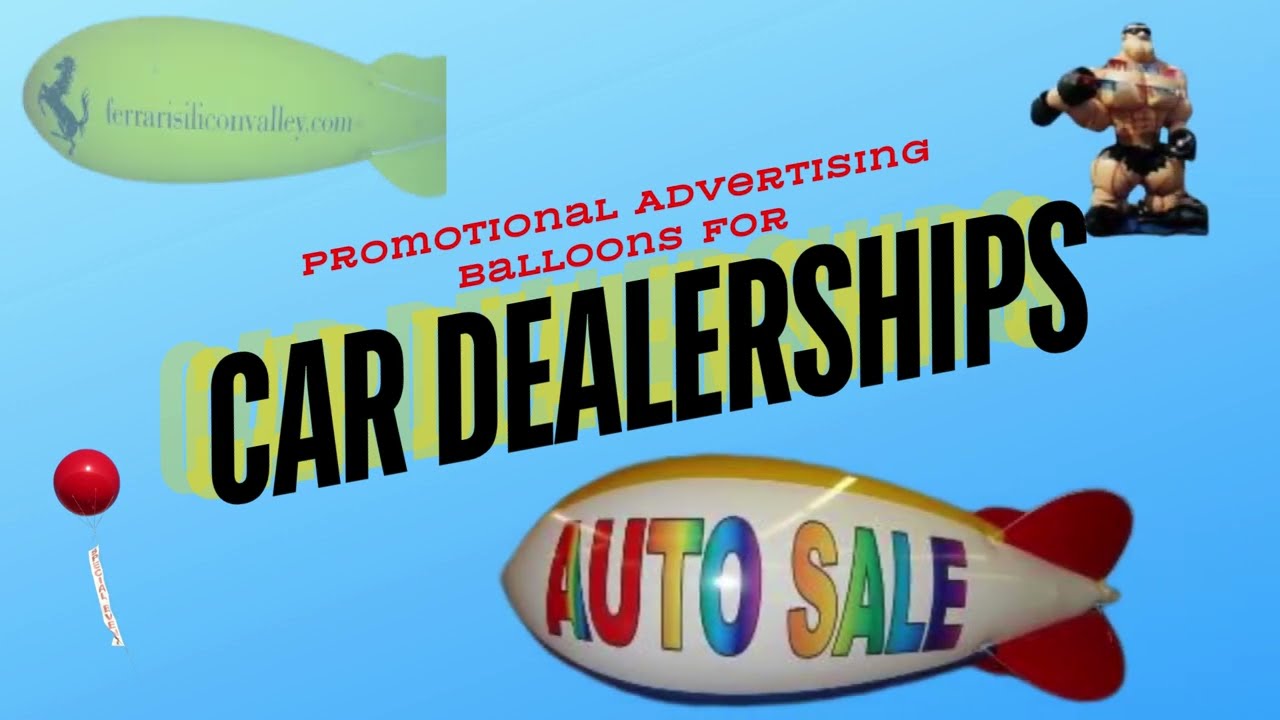
    Car dealership advertising with a lot full of new vehicles under bright outdoor signage

    The Benchmarks Behind Car Dealership Advertising

    Car dealership advertising is getting a closer look this week after digital agency SmartSites published a data-driven ranking of dealer marketing strategies on November 9, 2026. The analysis draws on 70 ad accounts and 122 business profiles, and it ranks strategies by what the numbers support rather than by industry habit.

    The headline figures are specific. The median dealership in the dataset pays $1.47 per click and about $44 for each real lead. For marketing managers, those numbers offer a rare yardstick for judging whether a store’s own paid media is efficient or overpriced.

    A caveat applies. The data comes from one agency’s client base, so it describes the accounts SmartSites manages and not every dealership in the country. It is still a useful reference point for owners who do not have a benchmark of their own.

    Dealers who want to pair digital efficiency with visible local presence can also review Arizona Balloon Company’s custom advertising solutions as one option for physical, on-lot promotion.

    Why Budget Caps Are Costing Dealers Visibility

    One of the more striking findings concerns budgets. According to the analysis, more than half of dealer search accounts lose over a fifth of their eligible impressions because daily budget caps run out before the day does. In practice, a dealership can stop appearing in search results during the hours when shoppers are actively looking.

    The takeaway is not simply to spend more. It is to check whether the money already committed is reaching shoppers when they are most likely to act. A store that exhausts its budget by early afternoon may be invisible to evening and weekend researchers, who are often the most serious buyers.

    For a general manager, this is a scheduling and allocation question as much as a spending question. Reviewing impression-share reports with a marketing partner can show how much demand is going unserved.

    Car dealership advertising with a lot full of new vehicles under bright outdoor signage

    Vehicle Listing Ads Outperform Search on Cost

    The same report makes a clear recommendation on inventory spend. It advises moving inventory promotion into vehicle listing ads and running them in their own campaigns. Clicks on vehicle listing ads cost $0.83 in the dataset, compared with $2.84 for new-vehicle search clicks, and the listing ads also converted better.

    The report adds that the same product feed supports Google’s free vehicle listings and shopping answers inside its AI Mode. A single well-maintained feed can therefore serve several surfaces at once, which strengthens the case for treating inventory data as a core marketing asset.

    For dealers, the practical point is cost per shopper reached. When digital channels become cheaper per click, the savings can be redirected toward other awareness tools that keep the store top of mind in the local market.

    Missed Calls, Branded Search and AI Results

    The SmartSites data suggests dealers handle inbound phone calls better than most industries, with one exception the report flags. The authors conclude that the advice is not simply to answer the phone, since dealers mostly already do. The opportunity lies elsewhere in the funnel.

    SmartSites also published related pieces this month on shrinking branded search for car dealers and, in October, on what Google’s new report shows about AI Overviews for dealerships. Together they point to a shift in how shoppers find stores. If fewer people type a dealership’s name into a search box, brand familiarity built offline matters more, because shoppers need to remember a store before they can search for it.

    Record Spending Meets Softer Sales

    The cost pressure arrives alongside record spending. The National Automobile Dealers Association reported that franchised dealerships spent $5.04 billion on advertising in the first half of 2026, up 5% from $4.80 billion a year earlier, according to coverage of the figures by Inside Radio. That is the most dealers have ever spent on ads in a first half. This figure predates the past seven days but gives useful context for this week’s benchmarks.

    Because sales softened over the same period, advertising spend per new vehicle sold rose to $791. Dealers are paying more to win each sale, which raises the stakes on every marketing dollar. It also explains the growing interest in tactics that deliver repeated local impressions at a predictable cost.

    Where Balloons and Blimps Fit in Dealer Marketing

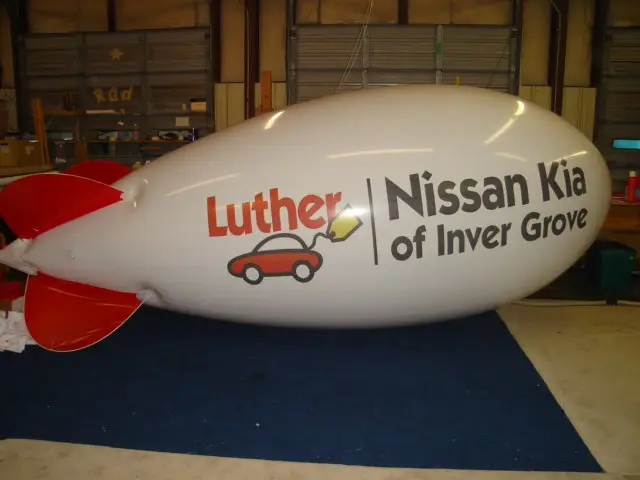
    As an industry insight, rising digital costs and shrinking branded search make physical visibility more valuable for dealers. A dealership sits at a fixed address, and its roadside presence is a marketing channel in its own right. Helium advertising balloons lift a message above the lot, where it can be seen from nearby roads and intersections without a per-click fee.

    Larger formats serve a different purpose. Advertising blimps are used for grand openings, model-year sell-down events and holiday sales, when a store wants an eye-catching focal point. Neither format replaces a well-run listing ad campaign. They add a layer of awareness that works while digital budgets are paused or capped.

    What This Means for Your Marketing

    The new benchmarks suggest three practical steps for dealers. First, audit daily budget caps to see how many impressions are being lost. Second, test vehicle listing ads in their own campaigns, since the cost-per-click gap in the data is large. Third, protect brand recall, because fewer shoppers may arrive through branded search.

    Outdoor and location-based marketing supports all three. A visible, recognizable presence near the lot reinforces the name shoppers later type or say aloud, and it keeps working regardless of how a search budget is set. For November and December sales events, timing outdoor promotion to match digital pushes helps keep the message consistent across channels.

    Dealers planning seasonal events can explore helium advertising balloons or aerial marketing blimps as part of a broader local strategy, and measure results against the same cost-per-lead benchmark they use for digital campaigns.

    Sources

  • Car Dealership Advertising Faces a Softer October as Traffic Slips

    Car Dealership Advertising Faces a Softer October as Traffic Slips

    Car Dealership Advertising Faces a Softer October as Showroom Traffic Slips

    By Arizona Balloon Company (arizonaballoon.com) | October 30, 2026

    Car dealership advertising with a lot of new vehicles and outdoor promotion

    Car Dealership Advertising Meets a Softer October

    Car dealership advertising is under fresh pressure heading into the final stretch of 2026. A Car Dealership Guy (CDG) survey published October 27 found that more dealers saw fewer showroom visitors this October than last. That is a warning sign for stores that depend on steady foot traffic, and it makes every advertising dollar work harder.

    The numbers come from an informal temperature check, not a scientific study. CDG asked dealers across X, Facebook, Instagram and LinkedIn how October compared with the same month a year earlier, and recorded responses as of October 25. Even so, the results give business owners and marketing managers a useful read on how the retail floor feels right now. Dealers who want to stand out in a crowded local market can look at visible, high-impact outdoor promotions as one way to pull attention back to the lot.

    What 61 Dealers Reported

    Of the 61 dealers who responded, 29 said traffic was down. That works out to 47.5 percent. Another 21 said traffic was up, which is about 34 percent. Seven reported flat traffic, and four described a mixed picture.

    The comments showed how uneven conditions are across the country. A Subaru store in the Midwest said traffic and leads were way down but sales were strong. A Volvo dealer in Southern California reported used sales up sharply and new sales down by half compared with last October. A Chevrolet store in Pennsylvania said its monthly pace had dropped from 97 vehicles to 70 in a single week. A rural Minnesota Ford dealer noted that most deals on vehicles over $40,000 were being paid in cash. Another Chevrolet and GMC general manager said the store had already topped its new-vehicle objective with more than a week left in the month.

    The takeaway is that no single story fits every store. Local conditions, brand mix and the strength of a dealer’s own marketing seem to matter a great deal. For stores that want a dependable draw on the street, advertising blimps for dealerships are one visible tool that works regardless of what the national mood is doing.

    Car dealership advertising with a lot of new vehicles and outdoor promotion

    Fewer Visitors, More Ready Buyers

    One theme stood out in the survey. At least four dealers said that although leads and traffic were down, the shoppers who did come in were serious about buying. A Cadillac, Buick and GMC dealer in Illinois put it simply: fewer people are showing up, but those who do are buyers.

    For marketers, that changes the goal. When visits are scarce, the quality of each visit matters more than the quantity. Appointment-driven selling is one response. In the same CDG report, the president of Preston Auto Group explained that each of his stores has a daily appointment goal and works to confirm visits rather than waiting on walk-ins. Advertising that brings in motivated local shoppers, and that reminds them where the store is, supports that approach.

    Election Season and the Ad Squeeze

    CDG pointed to several forces weighing on the market, including interest rates, gas prices, price increases, California’s CARS Act and the election cycle. The election in particular may be changing what shoppers see. As political campaigns take over television airtime, shoppers may encounter fewer manufacturer ads, and an internet manager at Mike White Ford was cited as weighing in on the topic.

    This matters for local advertising. When national and broadcast channels get crowded, dealers have more reason to own the attention closest to their showroom. Outdoor and location-based tactics are not competing for the same ad inventory as political spots, which makes them an attractive way to stay visible when other channels are noisy.

    Where Balloons and Blimps Fit for Dealers

    Helium advertising balloons and marketing blimps have long been part of the auto retail playbook for a reason. They rise above the inventory, catch the eye of drivers from a distance and signal that something is happening at the store. As an industry insight, that visibility is most valuable when foot traffic is uncertain, because a dealership can turn passing vehicles into visits without relying on a click or a broadcast slot.

    They also fit the timing of seasonal events. Year-end sales, model-year closeouts and service promotions all benefit from a visual cue that tells the neighborhood a sale is on. Dealers who want a cost-conscious way to refresh that cue can explore helium advertising balloons for car dealers, which can be rented, purchased or serviced to match a campaign calendar.

    Staying on Offense in Q4

    The CDG report closed with a message about mindset. A director of automotive operations at Tom Wood Automotive Group in Indianapolis said last year’s difficult fourth quarter was largely self-inflicted because the group leaned on fear-based messaging and cut too much. The group later returned to a more aggressive posture. His phrase, that scared money never wins, became the report’s subtitle.

    CDG’s own conclusion was that a slow month should not change how hard teams work, and that quiet stretches are a good time to fix what has been bothering staff. For marketing leaders, the same logic applies to the budget. Pulling back entirely when traffic dips can cost market share, while well-chosen local tactics can keep the store top of mind until conditions improve.

    What This Means for Your Marketing

    The survey suggests a split market. Many stores are seeing fewer showroom visitors, yet buyers who arrive are often decided. That pushes dealers to focus on efficient, local visibility rather than broad, expensive reach. Outdoor and location-based marketing does exactly that by speaking to people who already live, work and drive near the dealership.

    A practical plan starts with the lot itself. Make the store easy to spot from the road, tie visible promotions to specific events, and pair them with confirmed appointments and fast follow-up on every lead. Measure results by asking new customers how they heard about the store, so you can see which tactics are bringing real visits.

    If you are weighing options for the rest of Q4 and into next year, helium advertising balloons are a flexible, high-visibility way to keep your dealership in view while other channels get crowded.

    Selling cars? Read our car dealer balloon guide.

    Call 1-800-791-1445 or contact us for a quote.

    Sources

  • Auto Dealer Advertising Enters an Enforcement Era After the FTC’s Greenway Settlement

    Auto Dealer Advertising Enters an Enforcement Era After the FTC’s Greenway Settlement

    Auto Dealer Advertising Enters an Enforcement Era After the FTC’s Greenway Settlement

    By Arizona Balloon Company (arizonaballoon.com) | October 15, 2026

    Car dealership lot illustrating auto dealer advertising and outdoor promotion

    Auto Dealer Advertising Under the Microscope: The Greenway Settlement

    Auto dealer advertising moved from warnings to enforcement this month. On October 8, 2026, the Federal Trade Commission announced that Orlando-based Greenway Auto Group agreed to a proposed order resolving allegations that it advertised vehicles for thousands of dollars less than customers actually paid. According to the agency, shoppers were charged more than $3,350 above the advertised price, on average, in over 92 percent of transactions.

    The FTC also alleged that Greenway’s advertised prices at times reflected conditional rebates and discounts that only some buyers could obtain, and that the company sent deceptive prize mailers. The complaint names two corporate entities and five Florida dealerships: four Kia stores and one Hyundai store. Greenway is reported to operate more than 35 locations. Marketing teams at dealer groups of every size, including the clients Arizona Balloon Company serves with outdoor promotions, now have a concrete enforcement example to measure their own ads against.

    How the Case Builds on the FTC’s September Guidance

    The settlement did not arrive in isolation. In March 2026, the FTC sent warning letters to 97 dealership groups, telling them that the price consumers see in advertising must be the price they actually pay. On September 15, FTC staff followed with a 14-question document, Automobile Industry Pricing Transparency: FAQs. Its central point is that an advertised price must be one any consumer can pay, excluding only government-required charges such as taxes.

    The FAQs include a plain example. If a dealer advertises a $40,000 vehicle and charges every buyer an $85 document fee, the advertised price must be $40,085. If document fees vary between buyers, the higher mandatory fee belongs in the advertised price. The guidance covers all media, including websites, social posts, listing sites, and price quotes by phone or text. Dealers may still show MSRP, discounts, or rebates, but the actual price must remain the most prominent amount. Responsibility is shared by everyone who controls the ad, so a dealer cannot simply blame a third-party listing site. Even physical promotions such as inflatable advertising balloons that carry a price message fall under the same expectation.

    Car dealership lot illustrating auto dealer advertising and outdoor promotion

    What the Proposed Order Requires

    The FTC alleges that Greenway added phrases such as “all-in price” and “zero hidden fees” to its websites after receiving the March warning letter, while continuing to charge more than the advertised amounts. In one example cited in legal commentary, a vehicle advertised at $37,752 was later quoted at $39,854.40.

    Under the proposed order, Greenway must clearly disclose the total vehicle price and make it the most prominently displayed figure in visual price advertising. The order also bars deceptive prize mailers and misrepresentations about financing requirements. It carries no fine or customer refunds, but it imposes permanent restrictions plus reporting and recordkeeping duties that let the FTC monitor compliance. Greenway neither admitted nor denied the allegations. The order still needs court approval, and the case is listed as pending. Compliance commentators have described the moment as the end of the warning period and the start of enforcement.

    Where Outdoor Advertising Fits for Dealerships

    When price claims face this much scrutiny, many dealers will look again at the parts of their marketing that build awareness without leaning on a number. Outdoor, location-based media does that well. A tethered balloon or an advertising blimp is visible from a nearby road, signals that an event or sale is happening, and sends traffic to the lot or a landing page. That page can show the compliant, all-in price in full context.

    This is industry insight, not a legal conclusion. The creative on an aerial or inflatable display should be as carefully reviewed as a web banner. Dealers that use these displays for brand visibility, event announcements, and “open now” signals can keep the headline simple and let the verified online price do the persuading. Any price shown on the display itself should follow the same rules as any other ad.

    Practical Steps for Dealership Marketing Teams

    Law firms and compliance advisers tracking the case point to a short list of actions. First, audit every channel where a price appears, including syndicated listing feeds, social media, search ads, and sales-staff texts. Second, give third-party advertisers the actual price in writing and confirm it is displayed prominently. Third, align the sales floor with the ad so that nobody quotes a different number than the one advertised. Fourth, keep conditional incentives from becoming the headline figure, since the FTC says a price available only to a subset of buyers is not the price any consumer can pay. Finally, make clear when an advertised vehicle is not physically on the lot.

    What This Means for Your Marketing

    The Greenway case shows that auto dealer advertising is being judged on the final transaction, not just the headline. A single honest, all-in price repeated across every channel reduces regulatory risk and protects customer trust. It also removes the incentive to compete on numbers shoppers cannot actually get.

    That shift raises the value of marketing that earns attention on a dealership’s own property and neighborhood. Visible, location-based promotion, such as helium advertising balloons, can announce a sales event or new inventory arrival without making price claims at all. Pair that visibility with a landing page or listing that shows the full price clearly, and the outdoor display does the awareness work while the compliant online price closes the sale.

    Before the next promotion, ask three questions: does every ad show the price any buyer can pay, does the sales team quote the same number, and does the outdoor creative drive shoppers to a source of truth? Dealers who can answer yes are better positioned as enforcement expands.

    Selling cars? Read our car dealer balloon guide.

    Call 1-800-791-1445 or contact us for a quote.

    Sources

  • Auto Dealer Sales Strategy: What May 2026’s Market Shift Means


    Auto Dealer Sales Strategy: What May 2026’s Market Shift Means


    Auto Dealer Sales Strategy: What May 2026’s Market Shift Means

    By Arizona Balloon Company (arizonaballoon.com) — June 6, 2026

    Auto dealer sales strategy with vehicles on a dealership lot

    May 2026 Sales Results: A Modest Recovery

    Refining your auto dealer sales strategy has never been more urgent than right now, as the U.S. automotive retail market sends mixed signals heading into the summer. According to data published June 3, 2026, U.S. light-vehicle sales rose a modest 0.6% in May to approximately 1.48 million units — marking the first monthly year-over-year gain in 2026. The seasonally adjusted annual rate (SAAR) came in at 16.2 million vehicles, slightly ahead of analyst expectations. On paper, that sounds like a win. In practice, it requires a closer look before dealers start celebrating.

    Year-to-date sales through May remain down roughly 5% compared to the same period in 2025. A significant portion of May’s improvement was driven by fleet deliveries to rental car companies and commercial buyers, rather than retail consumers walking onto dealership lots. That distinction matters enormously for dealers whose revenue depends on retail foot traffic and financing margins.

    Among the brands reporting monthly sales, the results were sharply divided. Toyota remained the volume leader at 207,393 units, while Honda posted a strong 10.5% gain on record CR-V demand. Mazda surged 35% year-over-year — one of the biggest monthly gains in the industry. Meanwhile, Ford fell 14%, with F-Series deliveries dropping 13% due to ongoing supply disruptions tied to an aluminum supplier. Lincoln also declined 20.5%. The winners and losers in May tell a story not just about product mix, but about how well each brand is meeting consumers where they are financially.

    The Affordability Squeeze Dealers Can’t Ignore

    The structural challenges facing retail auto sales in 2026 are well documented, and May’s data reinforces them. The average transaction price held essentially flat at just over $46,000, and the average monthly payment now sits around $810. Interest rates remain in the mid-6% range, making financing a significant barrier for many buyers. Perhaps the most striking figure: nearly one in three trade-ins currently carries negative equity, meaning buyers owe more on their current vehicle than it is worth. That reality makes moving into a new vehicle a materially harder decision than it was two or three years ago.

    To combat softening retail demand, automakers have significantly escalated incentive spending, which climbed more than 20% from a year ago to an average of nearly $3,300 per vehicle. Electric vehicles remain the most heavily discounted segment, with incentives averaging more than $10,000 per unit following the expiration of the federal EV tax credit. Leasing is also rebounding, with more than 22% of new-vehicle transactions in May structured as leases — a reflection of consumers seeking lower monthly payments over vehicle ownership.

    For dealership operators and marketing managers, this environment creates a clear imperative: reaching budget-conscious, comparison-shopping consumers before competitors do. Dealers who rely solely on digital advertising and inbound web traffic risk invisibility at the local level, where many purchase decisions are ultimately triggered. Connecting with the high-visibility advertising balloons available from Arizona Balloon Company can give your lot the local presence that digital ads simply cannot replicate.

    Auto dealer sales strategy with vehicles on a dealership lot

    The Hybrid Surge Is Reshaping the Showroom Floor

    If there is a clear winner in May 2026, it is the hybrid vehicle segment. Toyota reported that electrified vehicles accounted for 57% of its May sales, with hybrids doing most of the heavy lifting. Honda posted record hybrid sales. Hyundai and Kia saw hybrid deliveries jump 90% and 179%, respectively, compared to a year earlier. Subaru also reported growing hybrid demand alongside improving EV numbers. The consumer message could not be clearer: buyers want better fuel economy and reduced operating costs, but many are not yet ready to commit fully to battery-electric vehicles.

    For dealerships carrying Toyota, Honda, Hyundai, or Kia franchises, this trend represents a genuine sales opportunity in an otherwise difficult market. The challenge is that competitors with the same inventory are chasing the same buyer pool. Promoting hybrid inventory prominently — both online and on the lot — becomes a differentiator. Dealers who can physically signal to passing traffic that they stock in-demand hybrid models have an advantage, particularly in high-traffic corridors where drive-by awareness directly influences weekend lot visits.

    Inventory Is Back — Now the Competition Heats Up

    One of the more consequential shifts in the 2026 market is the normalization of inventory. Total dealer inventory is sitting near 2.9 million vehicles nationally — a dramatic contrast to the shortage conditions that characterized 2021 through early 2023. For consumers, that means more choices and better negotiating leverage. For dealers, it means the era of selling vehicles at or above MSRP without meaningful effort is over. Competition for every retail sale has intensified across nearly every segment and price point.

    Not every brand is in the same position. Toyota, Honda, Kia, Lexus, and Audi continue to operate with tighter-than-average supplies, which preserves some margin protection. Brands including Ram, Jeep, Dodge, Chrysler, and Mitsubishi are sitting on considerably more inventory, which increases the urgency to move units through aggressive marketing and promotions. Dealers carrying overstocked nameplates face the most pressure to drive foot traffic and create buying urgency before carrying costs accumulate.

    Whether inventory is tight or plentiful, the competitive pressure in 2026 makes local market visibility a premium asset. Learn more about outdoor advertising solutions at arizonaballoon.com to see how aerial marketing products can help your dealership stand out along the roadways where your customers drive every day.

    Why Outdoor Visibility Is Critical for Auto Dealer Sales Strategy Right Now

    In a market defined by affordability concerns, rising incentives, and fierce competition for a selective buyer pool, an effective auto dealer sales strategy must go beyond digital channels. Lot traffic remains a leading indicator of retail sales conversion, and lot traffic is driven by physical visibility. A dealership that is easy to see, easy to find, and signals activity and promotions from a distance will consistently outperform a competitor that looks quiet or indistinct from the road.

    This is precisely where giant advertising blimps for car dealerships deliver outsized returns. Helium-filled advertising blimps and large-format inflatable balloons are visible from hundreds to thousands of feet away — far beyond what any sign, banner, or flag can achieve. They communicate scale, energy, and event activity at a glance, which is exactly the message a dealership wants to send during a sales event, new model launch, or end-of-month clearance push. In a summer selling season where every retail unit counts, the dealers who draw the most eyes to their lot are the ones most likely to convert drive-by awareness into showroom visits.

    Arizona Balloon Company supplies, rents, and services helium advertising balloons and marketing blimps specifically for dealerships, with products scaled for everything from weekend promotions to extended campaign deployments. Our team understands the automotive retail calendar and can help you match the right aerial product to your sales objectives.

    What This Means for Your Marketing

    May 2026’s auto sales data confirms that the market has stabilized but has not rebounded to the frictionless selling environment of recent years. Consumers are taking longer to make purchase decisions, are more price-sensitive than at any point since 2019, and are being pursued by every dealership in their market through overlapping digital channels. In this environment, the dealers who win will be those who combine smart digital targeting with high-impact physical presence — particularly along the high-traffic routes where their target buyers already travel.

    Outdoor and location-based marketing plays a defining role in that equation. A well-placed helium advertising balloon above your lot during a weekend hybrid promotion or a summer clearance event creates immediate local awareness that no online ad can replicate. It signals to the consumer who drives past your dealership three times a week that something is happening, that now is the time to stop in, and that your inventory is worth looking at. That kind of ambient, repeated impression is especially valuable when buyers are in a longer consideration phase and need multiple touchpoints before acting.

    As the summer selling season accelerates, dealerships that invest in both digital precision and physical visibility will be best positioned to capture the retail buyers who are genuinely in the market. Whether you are launching a new hybrid lineup, clearing aged inventory before Q3, or simply trying to maintain lot traffic against a crowded competitive set, aerial marketing blimps from Arizona Balloon Company are a proven, cost-effective tool for generating the local awareness that converts into showroom visits and signed deals.

    Selling cars? Read our car dealer balloon guide.

    Call 1-800-791-1445 or contact us for a quote.

    Sources