Tag: OOH advertising

  • Outdoor Advertising Formats Are Sending a Signal Long Before Anyone Reads the Copy


    Outdoor Advertising Formats Send a Signal Before a Word Is Read

    Outdoor Advertising Formats Are Sending a Signal Long Before Anyone Reads the Copy

    By Arizona Balloon Company (arizonaballoon.com) — July 14, 2026

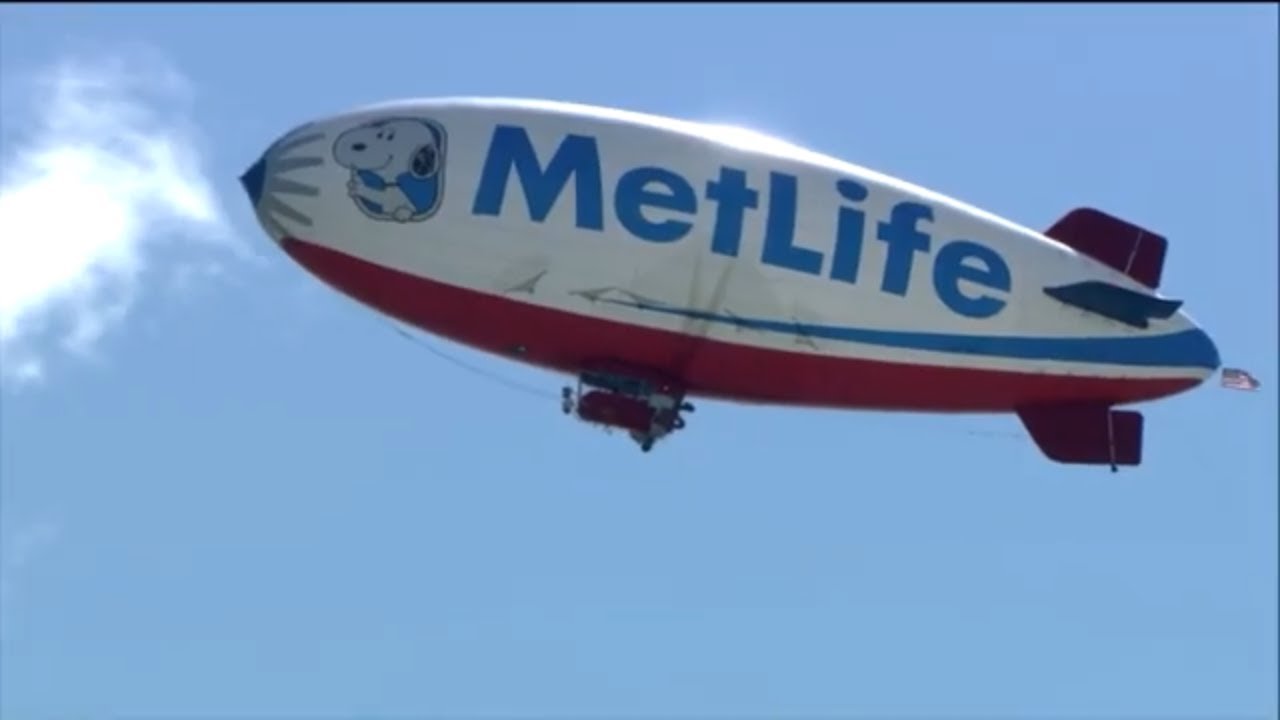
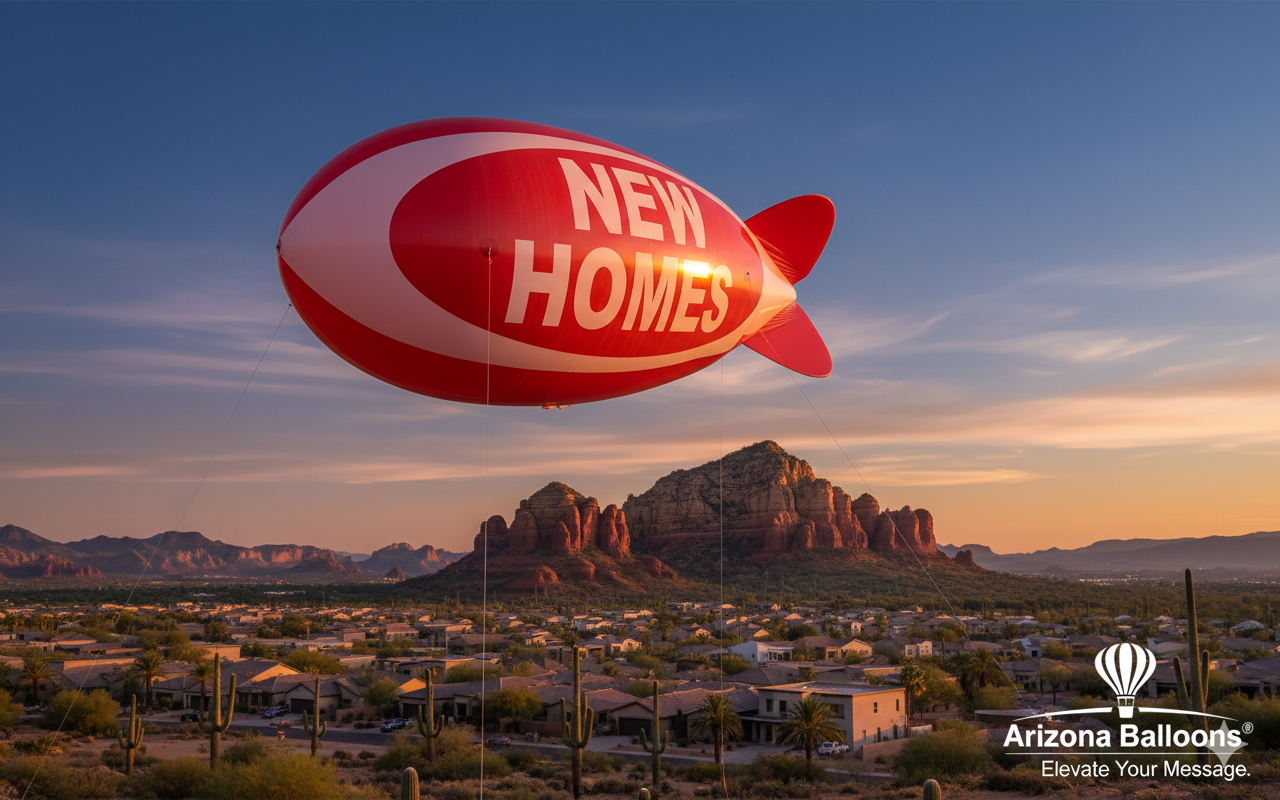
    Outdoor advertising formats including billboards and inflatable displays used for brand marketing

    What the New Research Says About Format Perception

    A widely discussed industry column published this month argues that outdoor advertising formats are never neutral. According to the piece, every outdoor placement — a digital billboard, a wrapped truck, a wild-posted wall — communicates something about a brand before a single word of copy is ever read. The author, an experiential agency founder with two decades of campaign experience, contends that marketers who obsess over headlines while ignoring format context are missing the half of the equation that actually shapes first impressions. That framing has resonated with marketing managers and business owners who plan local and regional outdoor campaigns, because it reframes format selection as a strategic decision rather than a line-item budget choice.

    The core idea is simple: people do not consciously analyze media strategy when they see an ad, but they absorb a signal instantly. A billboard on a busy corridor reads as established and credible. A transit ad reads as accessible and everyday. A wrapped vehicle reads as active and present. None of these reactions require the viewer to process any written message — the format itself does the talking. For businesses that rely on outdoor and experiential advertising to compete for local attention, this is a useful reminder that the medium is part of the message.

    Why Format Choice Matters More Than the Media Plan Admits

    Media plans are often built around reach numbers, available budget, and whatever inventory a sales representative happens to be pushing that quarter. The research points out that this approach skips the more important question: what first impression does a business actually want to create when someone encounters its brand in the real world? A format that signals credibility works differently than one that signals urgency or novelty, and mismatching the two can undercut an otherwise strong campaign.

    This matters especially for businesses whose customers make high-consideration decisions on a short timeline — a new home purchase, a vehicle purchase, or a booth visit at a trade show. In these categories, the emotional read on a brand often happens in the few seconds before a prospect ever engages with a sales team. Choosing a format that reinforces trust, scale, or energy at that exact moment can be the difference between a passerby stopping and one who keeps walking.

    Outdoor advertising formats including billboards and inflatable displays used for brand marketing

    Where Helium Balloons and Blimps Fit Into the Format Conversation

    If a billboard signals “we are established” and a wrapped truck signals “we are active right now,” a giant helium advertising balloon or a marketing blimp overhead sends its own distinct message: something notable is happening here. Inflatable displays occupy a category of their own in the outdoor formats conversation because they combine scale, movement, and novelty in a way that static formats cannot. A 25-foot balloon tethered above a new home community or a dealership lot does not blend into the background the way a printed banner might; it interrupts the skyline, which is precisely why it earns a second look.

    For businesses evaluating custom advertising balloons as part of a local marketing mix, this research offers a useful lens. The question is not simply “will this get impressions,” but “what does this format say about us before anyone reads our sign.” An inflatable presence at a grand opening or model home event signals momentum and excitement in a way that few other outdoor formats can replicate at a comparable cost.

    The “Proof of Life” Signal and Mobile Advertising

    The research specifically calls out mobile and moving formats as sending a “proof of life” signal — evidence that a brand is actively present rather than simply buying static space. Marketing blimps extend that same logic into the air. A branded blimp circling above a stadium event, a fairground, or a busy retail corridor tells onlookers that a business has invested real effort into being seen at that moment, not just that it purchased ad inventory months in advance.

    This aerial visibility is particularly valuable for businesses competing in crowded outdoor environments, where dozens of ground-level signs and banners compete for the same sightlines. A blimp or tethered balloon rises above that clutter entirely, which is one reason event organizers and marketing teams continue to book them for high-traffic dates.

    Home Builders, Auto Dealers, and the Local Attention Race

    Home builders and auto dealers are two of the most format-sensitive categories in local advertising. Both rely on drive-by traffic and both compete directly with neighboring builders or dealerships that are often visible from the same road. In that setting, a format that reads as established and energetic can outperform a larger media buy that fails to send the right first impression. A helium balloon marking a new phase release or a dealership’s weekend sales event functions as a real-time signal that something is actively happening on site — exactly the kind of impression the research suggests marketers should be planning around, rather than treating as an afterthought.

    Trade Shows and the Cost of Blending In

    Trade show exhibitors face a compressed version of the same problem: hundreds of booths competing for attention in a single hall, often with similar signage and similar formats. A balloon or inflatable display rising above a booth changes the signal instantly, marking a location as active and worth a detour before an attendee reads a single word of the booth’s messaging. In an environment where format context does the talking first, that visibility advantage is difficult to replicate with printed signage alone.

    What This Means for Your Marketing

    The broader lesson from this research is that outdoor and experiential marketing decisions should start with a question, not a budget line: what impression do you want people to form about your brand the instant they see it, before they read anything at all? For home builders, dealers, and trade show exhibitors, that impression is often built through scale and visible energy rather than clever copy. Static signage can communicate permanence, but it rarely communicates momentum.

    This is where location-based, high-visibility formats earn their place in a marketing budget. A well-placed inflatable presence does more than add reach — it changes what a passing customer assumes about a business in the first few seconds of exposure, which is often before any sales conversation begins. Businesses planning a grand opening, a seasonal sales event, or a trade show appearance should weigh format perception as heavily as they weigh placement and cost.

    Companies exploring how to apply this thinking locally can look at helium advertising balloons as a way to add that “something is happening here” signal to an existing outdoor or event marketing plan, without needing to rebuild the entire campaign around it.

    Sources


  • Outdoor Advertising Growth 2026: OOH Hits a $2.12 Billion Record


    Outdoor Advertising Growth 2026: OOH Hits $2.12B Record

    Outdoor Advertising Growth 2026: OOH Hits a $2.12 Billion Record

    By Arizona Balloon Company (arizonaballoon.com) — June 26, 2026

    outdoor advertising growth 2026 — colorful billboard and balloon marketing displays in an urban setting

    OOH Industry Posts Record $2.12 Billion Quarter

    Outdoor advertising growth in 2026 is rewriting industry benchmarks. According to new data released by the Out of Home Advertising Association of America (OAAA) on June 3, 2026, the U.S. out-of-home advertising industry generated an all-time first-quarter high of $2.12 billion in revenue during Q1 2026 — a 7.1 percent increase compared to the same period last year. The milestone extends the industry’s unbroken expansion to 20 consecutive quarters of growth, a streak that stretches back more than five years. This record Q1 performance builds directly on the industry’s record-setting $9.46 billion in full-year revenue posted in 2025.

    The OAAA’s data is tracked by Miller Kaplan and MediaRadar and encompasses spending across digital and static billboards, street furniture, transit, place-based media, and cinema advertising. The breadth of that spending represents one of the clearest signals available that physical, real-world advertising is not only surviving in the digital age — it is accelerating.

    What Is Driving Outdoor Advertising Growth in 2026

    Several forces are converging to push OOH spending higher. Digital out-of-home (DOOH) formats were a primary engine of the quarter, rising 12.9 percent year-over-year and accounting for 36 percent of total OOH revenue. Traditional printed OOH also posted gains, up 4.1 percent — dispelling any notion that static formats are being left behind.

    One of the most striking growth stories in Q1 2026 came from technology advertisers. Spending from companies in the computers, software, and internet services category surged 139 percent year-over-year. That jump reflects a broader shift in how AI startups and major tech platforms are using real-world visibility to build consumer trust at scale. Brands such as Genspark, OpenAI, and Lambda were among the newest and fastest-growing OOH spenders in the quarter, entering the medium for the first time.

    Growth was broad-based. Among the top 100 OOH advertisers, 72 percent increased their spending compared to Q1 2025, and 20 advertisers more than doubled their investment. The diversity of categories posting gains — from legal services and retail to restaurants and automotive — signals that OOH is increasingly viewed as a core, performance-oriented medium rather than a supplementary one.

    outdoor advertising growth 2026 — colorful billboard and balloon marketing displays in an urban setting

    Top-Performing Formats and Ad Categories

    Among major OOH formats tracked in Q1 2026, transit led all segments with an 18 percent jump over Q1 2025, followed by street furniture at 11.5 percent, billboards at 4.8 percent, and place-based media at 3.3 percent. All digital OOH format categories posted gains, with double-digit growth across nearly every subcategory.

    By advertiser category, legal services retained its position as the largest product category by total OOH spend and grew 18 percent year-over-year. Three additional categories inside the top ten posted double-digit growth as well. Automotive, retail, financial services, and restaurants all demonstrated continued reliance on out-of-home channels to drive consumer action. Fourteen individual advertisers increased their OOH spending by more than $2 million during the quarter, led by Morgan & Morgan, followed by Genspark, OpenAI, Boehringer Ingelheim, Capital One, Peacock, Uber, Pepsi, and Coca-Cola, among others.

    OAAA President and CEO Anna Bager noted that advertisers continue to invest in OOH because it delivers a combination of scale, creative impact, and measurable business outcomes, and that recent research from OAAA and data company Kochava found that OOH delivers twice the performance lift of broadcast and streaming television.

    How Helium Advertising Balloons Fit Into This Boom

    The record OOH numbers point to something many experienced local advertisers already know: physical visibility in the real world drives results in ways that digital screens cannot replicate. Within that broader OOH category, aerial and inflatable advertising formats occupy a unique and cost-effective niche — one that is particularly accessible to small and mid-sized businesses that cannot afford national billboard campaigns.

    Advertising blimps and marketing cold-air inflatables share the same fundamental advantage that is pushing the entire OOH industry forward: they command undivided attention in the physical environment where purchase decisions are made. A grand-opening balloon cluster above a new home community or a tethered blimp floating above an auto dealership lot delivers real-world brand presence that no digital ad unit can match for sheer stopping power. Unlike digital OOH, which requires capital investment in screens and connectivity, inflatable advertising is deployable in a single day and requires no technology infrastructure.

    The OAAA’s new Strategic Guide to Moving and Dynamic OOH Media — released in 2026 — specifically highlights experiential formats as a category that is reshaping how brands connect with people in motion. Advertising balloons and blimps operate at precisely that intersection: they are inherently dynamic, they move with the wind, and they generate the kind of real-world presence that prompts people to stop, look, and engage. As major brands increase OOH budgets, the upward pressure on consumer awareness of physical advertising creates a favorable environment for every format in the category, including inflatable aerial media.

    Why Auto Dealers and Home Builders Should Pay Attention

    Two of the primary client categories in the OOH growth story — automotive and real estate — are also the core audiences for helium advertising balloons and aerial marketing inflatables. The OAAA data shows automotive as a category that sustained its OOH investment through Q1 2026, reinforcing how dealerships have long recognized that on-the-lot visibility is a direct conversion driver. A customer driving past a dealership is already in the purchase funnel — the job of on-site advertising is simply to interrupt their routine and pull them in.

    For home builders and new community developers, the dynamic is similar. Model home grand openings, community announcement events, and subdivision launches all benefit from maximum roadside visibility during the critical early weeks of a sales period. The Q1 2026 data showing that 72 percent of major OOH advertisers increased spending validates a simple insight: businesses that stay visible in the physical world while competitors retreat to digital-only strategies tend to capture a disproportionate share of local attention.

    Trade show exhibitors represent another audience with a direct stake in the OOH revival. As live events continue their post-pandemic recovery, exhibitor competition for foot traffic at large convention halls and outdoor expos has intensified. Aerial advertising assets — visible from hundreds of feet away — function as wayfinding tools that guide foot traffic directly to a booth or activation. The same principles that make transit the fastest-growing OOH format apply here: audiences in motion respond to bold, unmissable visual cues.

    What This Means for Your Marketing

    The OAAA’s record Q1 2026 figures deliver a clear message for marketing decision-makers: outdoor and experiential advertising is not a legacy channel in decline — it is a growth medium backed by measurable performance data. For business owners who have been shifting budget exclusively toward digital platforms, the industry’s 20-quarter growth streak is a prompt to reconsider whether physical visibility in the real world deserves a larger share of the marketing mix. The Kochava research finding that OOH delivers twice the performance lift of television is particularly significant for local and regional advertisers who rely on awareness-driven foot traffic.

    For businesses operating in competitive local markets — auto dealers, home builders, retail locations, trade show exhibitors, and service providers — the case for outdoor visibility is especially strong. High-impact, attention-commanding formats do not require massive budgets. Helium advertising balloons and aerial marketing blimps from Arizona Balloon Company offer one of the highest-visibility, lowest-cost-per-impression options in the entire OOH category. A single tethered blimp or grand-opening balloon cluster can generate thousands of impressions per day in a targeted local trade area — without recurring digital media costs.

    As the broader OOH industry surges past $2 billion in a single quarter, the underlying insight for local advertisers is actionable and immediate: people are responding to real-world advertising, and brands that show up in the physical environment are winning. Whether you are launching a subdivision, promoting a dealership event, or driving foot traffic to a trade show booth, now is an advantageous time to invest in outdoor visibility formats that make your brand impossible to ignore.

    Sources

  • U.S. Outdoor Advertising Revenue Growth Hits Record $2.12 Billion in Q1 2026


    U.S. Outdoor Advertising Revenue Growth Hits Record $2.12 Billion in Q1 2026


    U.S. Outdoor Advertising Revenue Growth Hits All-Time Record of $2.12 Billion in Q1 2026

    By Arizona Balloon Company (arizonaballoon.com) — June 9, 2026

    outdoor advertising revenue growth billboard and experiential marketing display

    A Record Quarter for Outdoor Advertising Revenue Growth

    Outdoor advertising revenue growth in the United States reached a historic milestone in the first quarter of 2026, with the Out of Home Advertising Association of America (OAAA) reporting an all-time Q1 high of $2.12 billion in total industry revenue. The figure represents a 7.1 percent increase compared to the same period in 2025 and extends the medium’s unbroken growth streak to 20 consecutive quarters. For marketing managers, business owners, and brand strategists, the data signals one undeniable trend: location-based, real-world advertising is not just surviving in a digital era — it is accelerating.

    The strong Q1 performance follows a record-setting 2025, during which the OOH industry generated $9.46 billion in annual revenue. The latest figures build on that foundation and suggest 2026 is on track to surpass it. For businesses that invest in physical, place-based visibility — from home builders and auto dealers to trade show exhibitors and retail chains — the timing is favorable. Consumer attention is demonstrably shifting back toward the physical environment, and advertisers across nearly every category are responding with increased outdoor budgets.

    For businesses looking to capitalize on this momentum with high-impact physical media, custom advertising balloons from Arizona Balloon Company offer a proven, attention-commanding format that fits seamlessly into an outdoor advertising strategy.

    What Is Driving Outdoor Advertising Revenue Growth in 2026

    Digital Out-of-Home (DOOH) formats are the primary engine behind the industry’s expansion, rising 12.9 percent year-over-year and accounting for 36 percent of total OOH revenue in Q1 2026. These programmatic, screen-based placements allow advertisers to update creative in real time, target audiences by time of day or weather condition, and measure campaign performance with greater precision than traditional static formats. The rapid adoption of DOOH by major national brands has elevated the perceived legitimacy of the broader OOH category, creating a rising tide effect that benefits all outdoor formats.

    Among specific OOH channel types, Transit advertising posted the highest growth in Q1 2026 at 18 percent over the prior year period. Street Furniture placements followed closely with an 11.5 percent increase. Billboard formats grew 4.8 percent, while Place-Based media expanded 3.3 percent. Across all major format categories, digital inventory posted gains — with double-digit growth across nearly every digital OOH segment. Printed OOH, sometimes described as a declining medium, still managed a 4.1 percent increase, underscoring that physical presence continues to deliver measurable value for advertisers.

    outdoor advertising revenue growth billboard and experiential marketing display

    Traditional Formats Hold Strong Alongside Digital Innovation

    A common misconception in marketing circles holds that traditional, non-digital outdoor formats are being displaced entirely by screens and programmatic inventory. The Q1 2026 OAAA data challenges that view. Printed OOH grew by 4.1 percent, and all major format categories reported positive results. The evidence suggests that physical, analog outdoor media continues to play a valuable and complementary role in the modern media mix, particularly for businesses that need to establish a visible, trusted presence in a specific geography.

    Physical outdoor formats carry a brand legitimacy that digital screens cannot fully replicate. A large-format presence in a high-traffic area signals investment, commitment, and scale — qualities that resonate especially with consumers making significant purchasing decisions, such as buying a home, selecting a contractor, or choosing an auto dealership. The OAAA data reinforces what experienced local and regional marketers have long understood: being visible in the real world builds the kind of brand trust that accelerates conversion downstream, whether online or in person.

    New Brands Entering the OOH Space in Q1 2026

    One of the more telling indicators from the Q1 2026 OAAA report is the wave of brands that made their first-ever appearance in OOH spending during the quarter. Eight brands were identified as new to Q1 OOH compared with the same period in 2025, including artificial intelligence companies Genspark, OpenAI, and Lambda, as well as established names such as Charter Communications, Citi, eBay, and Boehringer Ingelheim. The entry of AI-sector brands into physical outdoor media is particularly instructive: companies whose entire product exists in the digital world are now turning to real-world, location-based advertising to build awareness and credibility with a general consumer audience.

    This pattern reflects a broader understanding among sophisticated marketing teams that digital-only strategies have ceiling effects. Display advertising faces growing challenges from ad blockers, banner blindness, and platform saturation. OOH, by contrast, is non-skippable, non-blockable, and reaches consumers precisely when they are moving through the world and making decisions. The influx of new advertisers — particularly high-spending technology brands — drives up the overall perceived value of the OOH category and validates the investment for businesses of all sizes that have relied on outdoor formats for years.

    How Helium Advertising Balloons and Marketing Blimps Fit the Outdoor Surge

    The record outdoor advertising numbers released by the OAAA reflect demand for visibility in the physical world — a demand that helium advertising balloons and marketing blimps have served for decades. While the industry conversation often centers on digital screens and programmatic technology, the fundamental principle driving OOH growth is unchanged: brands need to be seen, remembered, and associated with specific locations. Inflatable aerial advertising achieves all three objectives at a fraction of the cost of a digital billboard campaign.

    For home builders, auto dealers, trade show exhibitors, and general businesses, a giant advertising blimp or a cluster of custom-shaped helium balloons creates an instant visual landmark. It draws attention from passing traffic, anchors a brand to a physical location, and communicates the message that something significant is happening at that address — a grand opening, a sale event, a model home tour, or a trade show presence. These are precisely the use cases that the broader OOH surge validates. Outdoor advertising works because people are physically present in the world, and aerial formats cut through ground-level visual clutter in ways that static signage cannot.

    Arizona Balloon Company’s aerial marketing blimps are manufactured, rented, and serviced to deliver this kind of high-impact visibility for businesses across every sector currently driving OOH growth. As the industry continues its record-setting trajectory, physical aerial formats represent a cost-effective and highly differentiated entry point into the outdoor advertising mix.

    What This Means for Your Marketing

    The OAAA’s Q1 2026 data is more than an industry benchmark — it is a strategic signal for marketing decision-makers. The 20 consecutive quarters of growth demonstrate that the consumer shift toward digital consumption has not diminished the effectiveness of outdoor and location-based media. If anything, outdoor advertising is proving to be a critical counterbalance in an era of digital oversaturation. For business owners planning their 2026 campaigns, the data supports a stronger allocation toward real-world visibility, particularly in the high-traffic locations where their target customers are already present.

    Experiential and location-based advertising formats are especially well-positioned for businesses with a strong geographic component to their sales process — home builders marketing model homes, auto dealers driving lot traffic, and trade show exhibitors competing for attention on a crowded show floor. The most effective outdoor strategies combine multiple physical touchpoints: signage, branded environments, and aerial elements that establish a visible identity across a wide radius. Helium advertising balloons from Arizona Balloon Company can serve as the anchor of that aerial layer, providing the kind of unmistakable, high-altitude visibility that no ground-level format can replicate.

    The record OOH revenue figures from Q1 2026 should encourage marketing managers to resist the temptation to shift all investment into digital channels. The brands winning in today’s advertising environment are those deploying integrated strategies that combine the targeting precision of digital with the undeniable physical impact of outdoor. An aerial marketing blimp above a grand opening event, a balloon arch at a trade show booth, or a giant custom shape floating above a home builder’s community — these are proven, measurable tools that belong in any serious outdoor advertising plan. The data supports the investment. The results speak for themselves.

    Sources


  • Outdoor Advertising’s Human Medium Moment: What the $4B OOH Surge Means for Your Business

    <mark class=”rank-math-highlight” style=”background-color: #fee894″><mark class=”rank-math-highlight” style=”background-color: #fee894″>Outdoor Advertising’s “Human Medium” Moment:</mark></mark> What the $4B OOH Surge Means for Your Business

    Outdoor Advertising’s “Human Medium” Moment: What the $4B OOH Surge Means for Your Business

    By Arizona Balloon Company | May 1, 2026

    outdoor advertising human medium OOH marketing display at street level

    OAAA Declares OOH the “Human Medium” Ahead of Dallas Conference

    The outdoor advertising human medium industry is rallying around a powerful new identity just as US out-of-home spend crosses a major milestone. The Out of Home Advertising Association of America (OAAA) has unveiled the full agenda for its 2026 OOH Media Conference — taking place May 11 through 13 in Dallas — and with it, a refreshed industry positioning that brands out-of-home as the “human medium,” the one advertising channel that is shared, physical, unskippable, and woven into everyday life. For marketing managers and business owners investing in outdoor advertising human medium strategies, the timing of this declaration could not be more relevant.

    The OAAA’s April 24, 2026 announcement brought together a marquee lineup of speakers, including serial entrepreneur Emma Grede, co-founder of SKIMS and Good American; John Morgan, founder of Morgan & Morgan and a prominent investor in OOH; Rishad Tobaccowala, Senior Advisor at Publicis Groupe; and leaders from Google, Zillow, National Geographic, and UTA. The Dallas Cowboys Cheerleaders are set to close out the first night of programming — a fitting symbol of the live spectacle that defines out-of-home at its best.

    OAAA President and CEO Anna Bager framed the conference’s purpose plainly: brand marketers, agency executives, media decision-makers, and technology leaders are converging in Dallas to align on what comes next for a medium that is growing in both scale and strategic importance. The conference also introduces an inaugural OAAA Honors Circle to recognize exceptional achievement across the disciplines that shape out-of-home advertising.

    US Out-of-Home Ad Spend Reaches $4 Billion in 2026

    The conference backdrop is a market in genuine expansion. US out-of-home advertising spend is projected to reach $4 billion in 2026, a 4.1% year-over-year increase, according to new data released by Guideline, the media intelligence platform that captures more than $110 billion in annual ad spend directly from holding companies and independent agencies. This figure continues a steady climb from $3.4 billion in 2022, through $3.7 billion in 2024, and $3.9 billion in 2025.

    What makes this moment particularly meaningful is the context. According to Guideline’s analysis, OOH is now the only non-pure-digital advertising format forecast to grow at all in 2026. Traditional media categories — radio, print, and linear television — are collectively projected to contract by 3.5%. Performance digital formats such as search, social, connected TV, and retail media are forecast to grow 6.7%. OOH sits between them, growing steadily and holding a distinct position: it is the only mass-reach, real-world medium that is expanding its total revenue base year over year.

    For businesses evaluating where to place their advertising dollars, this trajectory carries a clear signal. Outdoor media is not retreating. It is consolidating its role as a core, measurable part of the modern media mix — and the industry is investing heavily in the measurement infrastructure and creative frameworks to prove it.

    outdoor advertising human medium OOH marketing display at street level

    Traditional Formats Versus Digital OOH: A Widening Split

    Within the overall OOH growth story, a significant divergence is underway. Guideline’s data shows traditional out-of-home formats — static billboards, printed displays, physical signage — are forecast to grow just 1.5% in 2026. Digital out-of-home, meanwhile, is projected to expand by 14.5%. That nearly ten-to-one differential reflects a structural shift that has been reshaping outdoor media for nearly a decade.

    In 2017, traditional OOH held a 93% share of total US outdoor advertising expenditure. By 2025, that figure had fallen to 80%, with digital formats climbing from 7% to 20% over the same period. According to Guideline, 55% of all US OOH revenue growth between 2024 and 2025 came directly from digital out-of-home formats. The programmatic infrastructure supporting this growth has expanded rapidly, with major platform acquisitions and partnerships announced throughout late 2025 and early 2026 extending programmatic access to millions of screens globally.

    However, Guideline’s data also reveals a structural tension that marketing planners should not overlook. Despite consistent absolute growth, OOH’s share of total US media spend has slipped from 3.1% in 2022 to 2.7% in 2025. The category is growing in dollars but losing share in a market growing faster around it. This makes format selection, creative impact, and location strategy more important than ever for OOH advertisers — not less.

    Why Helium Advertising Balloons Thrive in the Human Medium Era

    The OAAA’s “human medium” positioning centers on a straightforward principle: out-of-home advertising is inherently shared. Unlike digital media consumed privately on screens, outdoor advertising human medium is experienced simultaneously by large groups of people in the physical spaces where they live, work, commute, and make purchasing decisions. This is precisely the environment where helium advertising balloons and cold-air inflatables generate outsized results for local and regional businesses.

    Consider the primary clients served by outdoor and experiential advertising: home builders opening new communities, auto dealers running weekend sales events, trade show exhibitors competing for floor traffic, and general businesses launching new locations or seasonal promotions. In every one of these scenarios, the advertiser needs to capture attention in a shared physical space where the audience is already present and already moving. A giant helium blimp or a towering cold-air advertising balloon does not ask a consumer to stop scrolling. It simply exists in the sky or above a roofline, visible for a half-mile radius, unskippable in exactly the way the OAAA describes the best OOH formats.

    Research from Keen Decision Systems, released in late 2025, found that out-of-home advertising achieves a marginal return on investment of $7.58 per incremental dollar invested — well above the cross-media average of $5.52. While that figure reflects the OOH category broadly, the dynamics apply with particular force to location-specific, high-visibility formats like advertising blimps and inflatables, which concentrate their impression delivery in a defined geographic area where purchase intent already exists.

    The advertising blimps and marketing inflatables offered by Arizona Balloon Company operate squarely within the spirit of the human medium framework. They are bold, unmissable, and community-scale — exactly the qualities that OOH industry leaders are citing as differentiators in an increasingly automated, algorithm-driven media landscape.

    ROI Data and Budget Flows Reshaping Outdoor Media Planning

    Guideline’s source-of-volume analysis identifies which advertising budgets are flowing into OOH. Between 2024 and 2025, television contributed the largest net increase to OOH’s budget pool — $248 million — as brands reallocated from linear TV toward media with stronger measurable reach. Industry verticals including banking, airlines, and software were among the specific sectors shifting budgets into outdoor formats during this period.

    Separate research published by OAAA and Winterberry Group adds a compelling data point for any business owner evaluating outdoor media. The study found that 98% of marketers now incorporate out-of-home into purchase-driven initiatives, with investment in the channel expected to rise further over the next two years. The study frames OOH as a driver of discovery, engagement, and conversion across the full customer journey — not simply a brand-awareness vehicle.

    For small and mid-sized businesses that cannot compete with national brands on programmatic digital spend, this is meaningful news. The human medium frame is not just a positioning exercise for large media owners. It is a reminder that showing up physically, visibly, and boldly at the point where a consumer is making a decision — driving past a new subdivision, pulling into an auto mall, walking a trade show floor — is one of the highest-leverage advertising actions a local business can take. Budget flows at the national level are validating what experienced local advertisers have always known.

    What This Means for Your Marketing

    The OAAA’s “human medium” positioning and the $4 billion OOH spend milestone are not abstract industry statistics. They reflect a measurable shift in how marketing decision-makers are thinking about reach, attention, and human connection in a media landscape saturated by digital automation. For home builders, auto dealers, trade show exhibitors, and local businesses competing for customers in physical spaces, the core lesson is straightforward: presence in the real world is becoming more valuable, not less, as digital channels become noisier and harder to cut through.

    Outdoor and experiential advertising works because it is woven into the environments where people make decisions. A potential homebuyer driving a new community on a Saturday morning, a car shopper walking a dealer lot, a trade show attendee navigating a busy exhibition hall — these are consumers with high purchase intent in a defined location. Reaching them requires physical visibility, not another screen. That is exactly the strategic gap that helium advertising balloons and aerial marketing blimps are built to fill: they create unmissable, location-specific impressions that stop people, generate conversations, and drive traffic at the moment and place it matters most.

    As you plan your outdoor advertising strategy for the remainder of 2026, consider how the “human medium” framework applies to your specific business context. What shared physical spaces do your best customers pass through? Where are the decision-making moments that happen in the real world rather than on a screen? Outdoor and experiential formats — from towering cold-air inflatables to tethered helium blimps — are purpose-built for those moments. The national OOH industry is investing billions to prove their value. The insight for local advertisers is that the case was already made every time a giant balloon above a grand opening turned heads and drove foot traffic that no digital ad could replicate.

    Sources

  • US Outdoor Advertising Spend 2026 Hits $4 Billion — What It Means for Your Business


    US Outdoor Advertising Spend 2026 Hits $4 Billion — What It Means for Your Business


    US Outdoor Advertising Spend 2026 Hits $4 Billion — What It Means for Local Business Owners

    By Arizona Balloon Company (arizonaballoon.com) — April 17, 2026

    outdoor advertising spend 2026 showing balloons and signage at a business event

    US Outdoor Advertising Spend 2026 Reaches a New Milestone

    US outdoor advertising spend in 2026 is projected to reach $4 billion, rising 4.1% year-over-year according to new data published by Guideline, a media intelligence platform that captures $110 billion in annual ad spend directly from holding companies and independent agencies. For business owners and marketing decision-makers, the headline is straightforward: out-of-home (OOH) advertising is not just surviving in the digital age — it is growing, and it remains the only non-pure-digital format expected to post any expansion at all in 2026.

    That distinction matters. While radio, print, and linear television are collectively forecast to contract by 3.5% this year, and even dominant digital performance channels are showing signs of audience fatigue, OOH advertising continues its steady, multi-year upward trajectory. US OOH ad spend has climbed from $3.4 billion in 2022 to a projected $4.0 billion in 2026 — consistent growth averaging roughly 4% annually, according to Guideline’s data.

    For operators in experiential and location-based advertising — including home builders, auto dealers, trade show exhibitors, and local businesses — this industry momentum offers important strategic validation. Brands and agencies are actively reallocating budgets toward formats that put messages in front of people in the physical world, and the numbers are moving in one clear direction.

    Traditional vs. Digital OOH: A Growing Split That Favors Physical Formats

    Beneath the headline $4 billion figure lies a notable internal tension within the OOH category. Digital out-of-home (DOOH) — screens, digital billboards, and programmatic placements — is projected to grow 14.5% in 2026, while traditional OOH formats are forecast to expand just 1.5%, according to the Guideline report. That nearly ten-to-one ratio might initially suggest that physical formats are fading. Look more closely, though, and a different picture emerges.

    In 2017, traditional OOH held a 93% share of total US outdoor ad spend. By 2025, that share had declined to roughly 80% — still the dominant majority of the market. DOOH growth is coming almost entirely from new, incremental budgets entering the outdoor category rather than from advertisers abandoning traditional formats. In other words, the market is getting bigger, and traditional physical advertising is holding its ground in absolute dollar terms.

    For businesses evaluating outdoor options, this context is critical. Physical, location-specific advertising formats — including banners, signage, and aerial displays — continue to represent the lion’s share of what advertisers actually invest in when they commit to outdoor campaigns. The growth story of DOOH does not diminish physical OOH; it expands the total pie that physical formats share.

    outdoor advertising spend 2026 showing balloons and signage at a business event

    The ROI Case for Physical Outdoor Advertising Has Never Been Stronger

    Beyond spend projections, the research on return on investment for outdoor advertising has grown substantially more compelling. Research from Keen Decision Systems released in late 2025 found that out-of-home advertising achieves a marginal ROI of $7.58 per incremental dollar invested, compared with an average of $5.52 across all media types. That positions OOH as one of the highest-performing channels in any diversified marketing mix.

    Consumer behavior data reinforces these numbers. According to industry research, 88% of adults notice outdoor advertising while walking or driving, and 76% of consumers report taking some form of action after seeing an OOH ad. Critically, 46% of OOH viewers follow up with a web search after seeing a physical ad, meaning outdoor formats serve as effective triggers for downstream digital activity. For small and mid-sized businesses with modest media budgets, outdoor advertising consistently delivers reach and response rates that larger digital channels struggle to match at comparable cost.

    The OAAA has also reinforced outdoor advertising’s positioning as “the human medium” — a shared, real-world experience that digital screens inside homes and devices cannot replicate. That framing resonates with marketing decision-makers who are increasingly concerned about ad fatigue, privacy restrictions on digital targeting, and declining organic reach across social platforms.

    Why Helium Advertising Balloons Are Well-Positioned in This Market

    Within the broader OOH landscape, advertising blimps and aerial marketing formats occupy a distinct and defensible niche. Unlike static billboards — which compete with dozens of nearby placements along any given corridor — a helium advertising balloon or custom marketing blimp commands immediate, unshared attention. The vertical dimension alone sets these formats apart: a large inflatable blimp floating above a grand opening, a new home community, or an auto dealership lot is visible from distances and angles no ground-level signage can match.

    The Guideline data showing OOH growth driven by incremental new budgets is particularly relevant here. Businesses that are entering outdoor advertising for the first time — or increasing their investment — are often looking for formats that deliver strong visual impact without requiring long-term infrastructure commitments. Helium advertising balloons and rental blimps offer exactly that combination: high visibility, rapid deployment, and flexible engagement terms. For a home builder opening a new subdivision, a car dealer running a weekend sales event, or a trade show exhibitor looking to draw traffic from across a convention floor, aerial formats provide a competitive edge that few other media formats can offer.

    Businesses interested in exploring these formats can learn more about available sizes, shapes, and deployment options through the advertising balloon product line at Arizona Balloon Company. From small cold-air inflatables to large helium-filled custom blimps, there are options suited to virtually every budget and venue type.

    Which Industries Are Driving OOH Growth — and Why It Matters

    The Guideline report offers specific sector-level detail on which industries are actively increasing OOH budgets. Non-health insurance, discount retail, banking, and pet food are identified as categories showing meaningful budget shifts toward outdoor placements. Airlines and software companies were also cited among verticals that moved incremental dollars into OOH during 2024 and 2025.

    These categories share a common profile: they operate in competitive, attention-scarce environments where brand visibility at the moment of a consumer’s physical presence — near a store, at an event, along a commute route — directly influences purchase decisions. That same logic applies forcefully to the industries that rely most heavily on location-specific outdoor advertising: home builders directing traffic to model home communities, auto dealers drawing buyers to weekend sales events, trade show exhibitors competing for floor traffic, and local businesses trying to stand out in neighborhood commercial corridors.

    The underlying consumer insight driving all of these decisions is straightforward: modern consumers spend approximately 70% of their waking hours outside the home, according to industry research cited by the Out of Home Advertising Association of America. Reaching those consumers at the right location and at the right moment — rather than competing in digital environments where attention is fragmented and ad fatigue is endemic — is increasingly the logic behind OOH budget growth across industries.

    What This Means for Your Marketing

    The Guideline data on US outdoor advertising spend reaching $4 billion in 2026 is not simply a market research milestone. It is a signal about where sophisticated marketing decision-makers are directing resources and why. OOH is growing precisely because it delivers something digital formats have struggled to replicate: unavoidable, real-world presence in the environments where your prospective customers are already spending their time. For business owners evaluating their marketing mix, the category’s consistent year-over-year growth despite general media market volatility is meaningful validation.

    For businesses operating in location-driven industries — real estate, automotive, retail, and events — this trend creates a clear strategic opportunity. Physical outdoor advertising formats that combine high visibility with flexible deployment can deliver exceptional results without the budget commitments or technical complexity of programmatic digital campaigns. Investing in helium advertising balloons or aerial marketing blimps puts your brand message at eye level — and above it — in the exact locations where buying decisions are made.

    The most effective marketing strategies in 2026 will blend digital and physical channels into coherent campaigns that reach consumers across multiple touchpoints. OOH advertising, and aerial formats in particular, serve as powerful anchors in that mix: they generate the initial awareness and foot traffic that digital follow-up can then convert. If your business is looking to increase its physical marketing presence heading into the second half of 2026, the market data and the ROI research both point in the same direction.

    Sources


  • Out of Home Ad Spend


    US Out-of-Home Ad Spend Hits $4 Billion in 2026 — And Traditional Formats Are Still in the Game

    By Arizona Balloon Company (arizonaballoon.com) — April 2, 2026

    out of home ad spend-Outdoor advertising displays along a busy urban street, showing billboards and signage targeting consumers in public spaces

    US OOH Reaches a $4 Billion Milestone

    US out-of-home advertising spending is projected to reach $4 billion in 2026, a 4.1% increase year-over-year, according to new data published in March 2026 by Guideline, a media intelligence platform that tracks more than $110 billion in annual ad spend sourced directly from holding companies and independent agencies. The figure marks a steady continuation of growth that has averaged roughly 4% annually since 2022, when the category stood at $3.4 billion.

    The report confirms that OOH is the only non-pure-digital advertising format expected to grow at all in 2026. Radio, print, and linear television are collectively forecast to contract by 3.5%, while performance digital channels — search, social, streaming audio, connected television, and programmatic — are projected to expand 6.7%. OOH occupies a distinct middle position: consistently growing in absolute dollars while competing in an ad market expanding faster around it.

    The Digital vs. Traditional Split

    The headline growth number conceals a sharp divide within the OOH category. Digital out-of-home formats are projected to expand 14.5% in 2026, while traditional formats — static billboards, banners, posters, and non-screen physical displays — are forecast to grow just 1.5%. That nearly ten-to-one ratio reflects a structural shift that has been accelerating since at least 2017, when digital formats accounted for only 7% of total US OOH ad spend. By 2025, that figure had climbed to 20%, with digital capturing 55% of all OOH revenue growth between 2024 and 2025, per the Guideline data.

    However, the DOOH deceleration is also real. Guideline’s report describes digital’s growth trajectory as “healthy but decelerating,” citing limited inventory as a structural constraint on how quickly the market can absorb advertiser demand. Despite extensive programmatic infrastructure expansion in 2025 and early 2026 — including major platform acquisitions and new screen partnerships — supply-side bottlenecks continue to slow adoption.

    Growing Dollars, Shrinking Market Share

    One of the most striking findings in the Guideline report is what analysts describe as a market-share paradox. Although OOH has posted year-over-year revenue gains every year since 2022, its share of total US media expenditure has declined. OOH represented 3.1% of all US media spend in 2022 and had slipped to 2.7% by 2025 — a loss of 40 basis points over three years even as the category posted consistent absolute growth.

    Guideline calculates that OOH lost roughly $500 million in market share since 2022 and $1.3 billion since 2017. The cause is straightforward: the broader advertising market has grown faster than outdoor. For marketing decision-makers, this framing matters. Outdoor advertising is not shrinking — but it is competing for a share of budgets in an environment where digital performance channels are absorbing an outsized portion of new spending.

    Where the Budgets Are Coming From

    Guideline’s source-of-volume analysis tracks specific budget flows feeding OOH growth. Between 2024 and 2025, television contributed $248 million in net dollars shifting into OOH, while digital performance channels represented a net outflow of $104 million. Industries identified as high-growth OOH spenders include banking, non-health insurance, and discount retail — categories that rely on geographic reach and high-frequency visibility to drive consumer behavior.

    Separately, independent research from Keen Decision Systems found that OOH advertising achieves a marginal ROI of $7.58 per incremental dollar invested, compared with a cross-channel average of $5.52. That ROI credential is increasingly cited by media planners as a justification for maintaining or growing outdoor allocations even as digital spending pressure intensifies.

    Why Physical Formats Still Win on the Ground

    For businesses that operate in local or regional markets — home builders promoting new communities, auto dealers drawing traffic to a lot, trade show exhibitors competing for booth visitors — the relevance of macro OOH data comes down to a practical question: what gets noticed by people who are physically present in a specific place, at a specific moment?

    The Guideline report’s own budget-loss analysis offers a revealing data point. Of traditional OOH budgets that migrated away from the format in 2025, only 1% were reinvested into digital out-of-home. The remaining 99% shifted to social, programmatic search, and other digital channels — environments with no guaranteed physical presence. This gap represents an ongoing opportunity for location-anchored physical advertising formats that screen-based digital cannot replicate. High-visibility physical assets — large-format inflatables, aerial signage, and advertising balloons positioned at a sales center, event venue, or high-traffic corridor — operate in the same “unblockable” physical space that makes static billboards valuable, but with the added advantage of vertical visibility and the novelty that draws eyes. Unlike a screen, a large helium balloon or marketing blimp visible from a highway or across a subdivision cannot be scrolled past, filtered out, or served to the wrong audience.

    What This Means for Your Marketing

    The Guideline data confirms that out-of-home advertising is a durable channel in a volatile media landscape. For businesses making location-based marketing decisions in 2026 — whether promoting a grand opening, a model home, a dealership event, or a trade show appearance — the strategic implication is clear: physical presence in the right place still drives measurable outcomes that digital alone cannot replicate. OOH’s $7.58 marginal ROI figure is a headline number worth putting in front of any budget committee skeptical of spending outside digital channels.

    The growing split between digital and traditional OOH also signals opportunity rather than threat for businesses that rely on physical foot-traffic conversion. As larger advertisers chase programmatic DOOH inventory, competition for attention in the physical, non-screen space becomes less crowded — not more. Local businesses, home builders, auto dealers, and event marketers who deploy distinctive, high-visibility physical advertising assets hold an advantage in precisely the environments where their customers are making purchase-influencing decisions in real time.

    For businesses exploring what large-format physical outdoor advertising can look like in practice, helium advertising balloons and aerial marketing blimps offer a proven, attention-commanding format that complements any broader OOH or experiential strategy. As the overall OOH market grows toward and beyond $4 billion, the fundamentals that make physical outdoor advertising effective — visibility, geographic precision, and an inability to be ignored — remain unchanged.

    Sources