Tag: airship

  • Florida’s eVTOL Flights Signal a New Era for Aerial Advertising

    Florida’s eVTOL Flights Signal a New Era for Aerial Advertising

    Florida’s eVTOL Flights Signal a New Era for Aerial Advertising

    By Arizona Balloon Company (arizonaballoon.com) | November 10, 2026
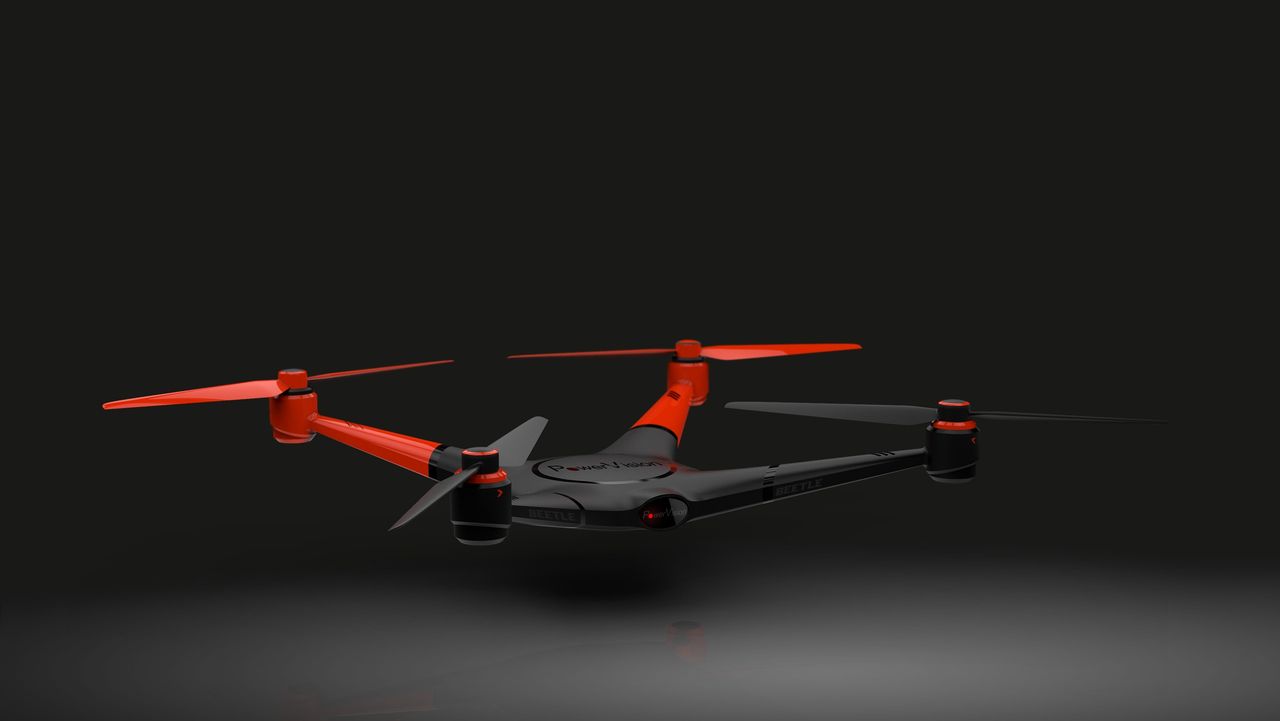
    eVTOL aircraft in flight shaping the future of aerial advertising

    Florida’s eVTOL Flights Put Aerial Advertising in Focus

    This week, the push toward electric air travel gave businesses new reasons to rethink aerial advertising. Florida kicked off a week-long series of electric vertical takeoff and landing (eVTOL) demonstration flights on October 30, with follow-up coverage continuing into the first week of November. The flights are part of a federal program intended to speed the integration of eVTOL aircraft into the national airspace. Joby Aviation and BETA Technologies both took part.

    In the opening demonstration, two electric aircraft took off from Albert Whitted Airport in St. Petersburg. They flew in formation over Tampa Bay and landed at Signature Aviation at Tampa International Airport. Spectators watched, and the route deliberately retraced the 1914 St. Petersburg-Tampa Airboat Line, widely recognized as the world’s first scheduled commercial airline service. For brands that depend on advertising blimps and other high-visibility displays, the event showed how much attention a well-staged aerial moment can draw.

    The Aerial Highway Network Explained

    The flights were also used to test Florida’s proposed Aerial Highway Network, a system of designated flight corridors meant to connect major destinations across the state. Reports from the campaign described flights linking St. Petersburg, Tampa International Airport and other Florida locations, with some activity reaching as far as Kennedy Space Center.

    Joby representatives said a trip between St. Petersburg and Tampa that can take about an hour by car in heavy traffic could be completed in roughly ten minutes by air. Whether that holds up commercially remains to be seen. Still, the corridor concept matters for marketers, because designated routes and vertiport locations will shape where people, and their attention, concentrate.
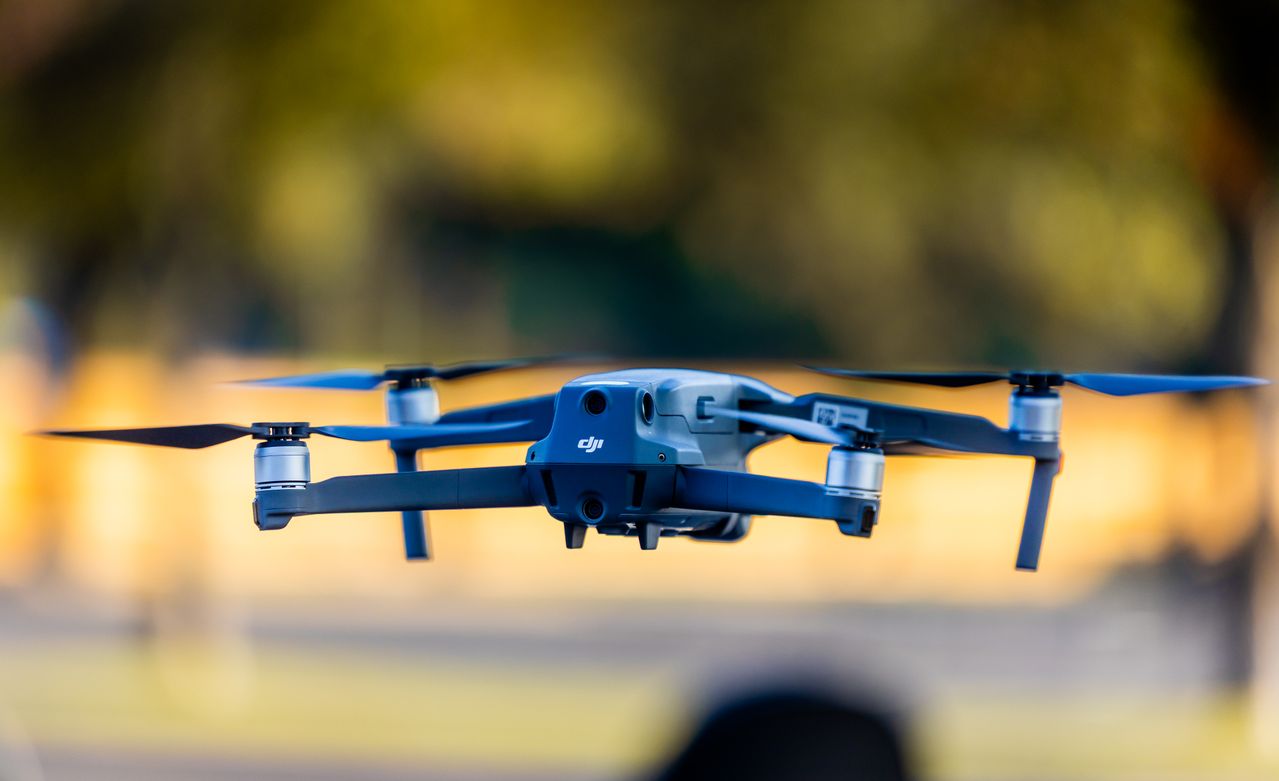
    eVTOL aircraft in flight shaping the future of aerial advertising

    Eve Holding Moves Toward Full Transition Flight

    On November 5, Eve Holding (NYSE: EVEX) said it had completed the partial-transition phase of its eVTOL engineering prototype. Reported figures included 73 flights, more than three hours of airtime and a 91% completion rate on flight test points. The company is targeting a full transition flight by the end of 2026.

    Eve also announced a firm order from FlyBIS for 12 aircraft, valued at about $60 million, and cited a preorder backlog of roughly $12.6 billion. Backlog figures are not the same as delivered aircraft, but they show the level of commercial interest competing for public awareness.

    Where Joby Plans to Operate Next

    In a recent interview, Joby’s Chief Policy Officer Greg Bowles said the company plans to launch commercial service in New York City, Florida and Texas under the federal eVTOL Integrated Pilot Program. He also pointed to flying operations planned for the 2028 Los Angeles Olympics. The interview also touched on the FAA’s new digital air traffic control system, which is meant to support smarter airspace management.

    The named markets, Florida, Texas and New York, are also major hubs for home building, auto sales, trade shows and corporate events. Local advertisers in those regions will likely feel the effects first.

    Other U.S. Activity to Watch

    Florida was not the only U.S. headline. Industry news coverage also noted that Wisk opened a 100-by-100-foot vertiport at Hollister Municipal Airport in California to test its autonomous Generation 6 eVTOL. The same coverage reported on Louisiana’s first uncrewed flight under the FAA pilot program, which it said had not yet received dedicated federal or state funding.

    The eVTOL Show USA takes place November 17 in San Jose, California. It is expected to draw engineers, OEMs, regulators and infrastructure developers, and it is an example of how fast-growing industries create dense trade show opportunities.

    How Balloons and Blimps Fit an eVTOL Industry

    As an industry insight, eVTOL companies face a communication challenge. Their products are new, often unfamiliar to the public, and need to build trust before commercial service begins. Vertiports, demonstration events, airport open houses and community watch parties all need visible, easy-to-find landmarks. Helium advertising balloons and marketing blimps are well suited to this role because they can be seen from a distance, can be positioned at a specific event location and can be removed when the event ends.

    The same logic applies to businesses around the industry: suppliers, builders of vertiport-adjacent developments, auto dealers near airports and exhibitors at aviation shows. Any placement near an airport or active airspace is subject to FAA rules and local approvals, so planning with an experienced provider matters. Branded advertising balloons also work at ground level and indoors, at events where drawing foot traffic is the goal.

    What This Means for Your Marketing

    The Florida demonstrations show that attention follows spectacle, and that location is part of the story. Thousands of spectators gathered to watch a flight that was, in itself, a staged marketing and public-awareness event. Businesses that sell in fast-moving categories can apply the same principle: choose a recognizable place, tie it to a clear moment and make the message visible from far away.

    Outdoor and location-based marketing becomes more valuable as new air corridors, vertiports and events create fresh gathering points. Home builders near new transit hubs, auto dealers at high-traffic intersections and exhibitors at industry shows all benefit from a visual anchor that people can spot and remember.

    If you are planning a campaign tied to an event, grand opening or trade show, consider helium advertising balloons or aerial marketing blimps as one part of the mix, and confirm local airspace and permit requirements early.

    Sources

  • eVTOL Marketing Gets a Boost as FAA Clears BETA’s ALIA for Customer Flights

    eVTOL Marketing Gets a Boost as FAA Clears BETA’s ALIA for Customer Flights

    eVTOL Marketing Gets a Boost as FAA Clears BETA’s ALIA for Customer Flights

    By Arizona Balloon Company (arizonaballoon.com) | October 26, 2026

    eVTOL marketing: an electric vertical takeoff aircraft in flight

    The FAA’s First-of-Its-Kind Certificate

    For businesses watching the advanced air mobility sector, eVTOL marketing just entered a new phase. On October 21, 2026, U.S. Transportation Secretary Sean Duffy announced that the Federal Aviation Administration had issued a first-of-its-kind Special Airworthiness Market Survey Certificate to BETA Technologies for its ALIA A250 electric vertical takeoff and landing aircraft. It is the first such certificate granted to an eVTOL, according to the company.

    The A250 completed its first flight under the new authorization on October 20, 2026. Reporting indicates the aircraft took off vertically from Plattsburgh International Airport in New York, transitioned to wing-borne flight, and landed vertically at Burlington International Airport in Vermont, covering 34 nautical miles in about 20 minutes. The certificate also widens the geographic scope of where BETA can fly, giving the company more room to gather data in varied environments.

    Companies that want to reach customers in this sector can learn from how aviation brands build visibility. Established names such as Arizona Balloon Company have long shown that large, physical, hard-to-miss advertising draws attention in crowded markets.

    Why eVTOL Marketing Matters Now

    A market survey certificate exists for a commercial purpose: it lets a manufacturer fly prospective operators and key stakeholders in the aircraft so they can evaluate it ahead of commercial operations. In practice, the work shifts from engineering milestones to customer demonstrations, which means it also becomes a sales and brand challenge.

    Cargo carriers, medical transport providers, regional operators and community partners all need to see the aircraft in person. Those events happen at airports, vertiports and local venues. Each demonstration is an opportunity to put a brand in front of a defined, high-value audience, and each one benefits from visible, location-based promotion that signals where the action is.

    eVTOL marketing: an electric vertical takeoff aircraft in flight

    What the Certificate Allows and Doesn’t

    It is worth being precise about the limits. Coverage of the announcement notes that the authorization could help generate orders, but it does not by itself permit commercial passenger or cargo services. Flights remain subject to FAA limitations, and full type certification is a separate process.

    The A250 is designed to carry up to five passengers and two pilots, or more than 1,200 pounds of cargo. Its builder points to uses such as time-sensitive cargo delivery, medical transport and connections between communities with limited conventional air service. For marketers, the takeaway is that this technology is still in its demonstration era, and attention is currently being won through visible events, not routine service.

    The Competitive Field

    BETA’s milestone lands in a crowded and closely watched race. Investor coverage frames it as a surprise, since many observers expected Archer Aviation or Joby Aviation to reach this kind of milestone first. BETA was also selected for seven of the eight projects in the White House-backed eVTOL Integration Pilot Program, more than any other eVTOL company, with Joby named in five and Archer in three.

    The sector is also under financial pressure. Commentary from the past week notes that eVTOL stocks have struggled in 2026, and that Joby and Archer are both burning significant cash while awaiting certification. In that environment, every company needs to stand out to customers, partners, regulators and local communities. Clear, memorable outdoor visibility is one low-complexity way to do it.

    How Aerial Advertising Fits the eVTOL Industry

    Industry insight: companies in the eVTOL and aerial technology space sell something people have to see to believe. Helium advertising balloons and marketing blimps extend that logic to promotion. A tethered balloon can be spotted from a distance, which helps visitors find a demonstration site, a vertiport groundbreaking, a trade show booth or a dealership hosting a partner event.

    Custom advertising blimps suit larger events where a brand wants a floating, three-dimensional presence overhead. Smaller advertising balloons work for storefronts, community open houses and pop-up demonstrations. Both formats can be branded, rented for a single event or purchased for repeated use, which makes them practical for businesses that attend many shows and launches during a year.

    The same approach works for companies adjacent to the industry. Home builders planning communities near future vertiports, auto dealers courting technology-minded buyers, and trade show exhibitors in aerospace all compete for attention in busy outdoor settings where a large aerial display can help.

    What This Means for Your Marketing

    The BETA announcement is a reminder that new technology reaches the public through demonstrations, events and local presence long before it becomes routine. If your business serves or sells to the aerial technology sector, plan your visibility around those moments: demonstration days, airport events, community open houses and industry conferences.

    Location-based marketing works best when it is simple, visible and repeatable. Pair digital outreach with a physical landmark at the event itself, so attendees can find you and remember you. Then follow up with the contacts you gather. Outdoor visibility draws people in, and your follow-up converts the interest.

    If you want a branded, high-visibility option for your next event, explore helium advertising balloons and custom aerial displays built, rented and serviced by Arizona Balloon Company.

    Want aerial advertising today? See our advertising blimps.

    Call 1-800-791-1445 or contact us for a quote.

    Sources

  • Aerial Advertising Meets the eVTOL Pilot Program Boom

    Aerial Advertising Meets the eVTOL Pilot Program Boom

    Aerial Advertising Meets the eVTOL Pilot Program Boom: What U.S. Marketers Should Know

    By Arizona Balloon Company (arizonaballoon.com) | October 10, 2026

    Aerial advertising concept: electric eVTOL aircraft flying over a U.S. city skyline

    This Week in U.S. eVTOL News

    Aerial advertising is getting a new neighbor in the sky. The latest eVTOL reporting shows electric aircraft moving from isolated demonstrations toward repeated, state-by-state operations. According to a Venture Atlas industry tracker, BETA Technologies said on October 7 that it completed five days of all-electric ALIA flights in Utah under the federal eVTOL Integration Pilot Program, working with Alpine Air Express and the Utah Department of Transportation on medical cargo missions.

    Investor coverage published this week also kept attention on Joby Aviation. Trefis reported on October 9 that Joby ended the second quarter with about $2.3 billion in cash and short-term investments, and expects to use $385 million to $415 million of it in the second half of 2026. The same report noted that Toyota’s planned $250 million direct investment is expected to close in late 2026 or early 2027.

    Why the Pilot Program Matters

    The eVTOL Integration Pilot Program, known as eIPP, pairs the Federal Aviation Administration with state and local governments and aircraft developers. Aerospace Testing International reported that eight projects across 26 states would test advanced air mobility aircraft in cargo, passenger and emergency operations. Those projects include a Manhattan heliport trial led by the Port Authority of New York and New Jersey, and an autonomy-focused project in Albuquerque.

    Texas became the sixth location to launch under the program when federal officials watched BETA and Joby demonstrations at Perot Field Fort Worth Alliance Airport, according to the U.S. Department of Transportation. Joby’s own announcement described a week-long campaign across the Dallas-Fort Worth region. For business owners, the pattern is clear: aircraft are showing up in specific metro areas, in public view, with local media attention attached.

    Aerial advertising concept: electric eVTOL aircraft flying over a U.S. city skyline

    The Funding and Milestone Picture

    The sector is still capital-intensive. Trefis noted that Joby used about $202 million in cash in the second quarter, roughly five times the revenue it collected, and that the company still targets carrying its first air taxi passengers in 2026. A separate 24/7 Wall St. analysis published October 5 described the key risk as cash burn while the company waits for FAA type certification.

    The takeaway for non-aviation readers is that eVTOL companies are investing heavily in public visibility. Demonstration flights, tours and local partnerships are part of how they build community and political support before commercial service begins.

    What the Flights Do Not Mean Yet

    It is worth keeping expectations realistic. Independent reporting cited by Venture Atlas indicates that Joby’s Texas flights in September were piloted demonstrations without passengers, and that full unrestricted commercial service still requires type certificates that neither Joby nor Archer holds. Drone Intelligence similarly noted that eIPP flights permit only company pilots.

    In other words, ticketed air taxi service in most American cities remains a future development. Marketing managers should treat this as an early-stage trend to watch rather than an immediate shift in how customers travel.

    Aerial Advertising and the eVTOL Industry

    Companies in this field face a familiar challenge: making a new, unfamiliar service visible and credible to people on the ground. Vertiport developers, airport partners, local governments, suppliers and regional dealerships all need ways to draw attention to a site that otherwise looks like an empty pad or a hangar. Aerial advertising is one proven answer.

    A tethered advertising blimp can mark a demonstration site, an open house or a grand opening from miles away, while helium advertising balloons work well for ground-level events and trade show booths. Because both are visible at a distance, they help organizers guide crowds to a flight demonstration or community briefing without relying only on digital promotion.

    The same logic applies to businesses adjacent to the industry, such as auto dealers near planned vertiport sites, home builders in communities along proposed routes, and exhibitors at aviation and technology trade shows. Each benefits from standing out in a crowded, fast-moving news environment.

    What This Means for Your Marketing

    Location-based marketing works best when it ties into something people already notice. eIPP flights are creating exactly that kind of local moment in metro areas across the country. If your business operates near an airport, heliport or planned flight route, local interest in advanced air mobility may be an opening for community events, sponsorships or timely promotions.

    Outdoor visibility also remains one of the few channels that cannot be skipped or blocked. A large, branded object overhead reaches commuters, shoppers and event attendees at once. Pairing that presence with a clear call to action, such as a QR code on nearby signage or a dedicated landing page, helps turn attention into measurable response.

    For businesses planning promotions around this trend, helium advertising balloons and tethered marketing blimps offer a flexible way to build visibility for a single event or a longer campaign. Whether you rent, buy or service your own, the goal is the same: give people a reason to look up and a reason to remember your brand.

    Want aerial advertising today? See our advertising blimps.

    Call 1-800-791-1445 or contact us for a quote.

    Sources

  • FAA Launches eVTOL Air Taxi Pilot Program Across 26 States — What It Means for Aerial Marketing


    FAA Launches eVTOL Air Taxi Pilot Program Across 26 States — What It Means for Aerial Marketing

    FAA eVTOL Air Taxi Program Launches Across 26 States: What It Means for Aerial Marketing in 2026

    By Arizona Balloon Company (arizonaballoon.com) — April 10, 2026

    eVTOL air taxi marketing concept with electric aircraft over a U.S. city

    What Is the FAA’s eVTOL Integration Pilot Program?

    The FAA’s eVTOL air taxi marketing landscape shifted dramatically in March 2026 when U.S. Transportation Secretary Sean P. Duffy and the Federal Aviation Administration formally announced eight selected projects under the Advanced Air Mobility and Electric Vertical Takeoff and Landing Integration Pilot Program, known as the eIPP. The program, rooted in President Trump’s June 2025 “Unleashing Drone Dominance” executive order, is designed to accelerate the safe deployment of next-generation electric aircraft into the national airspace system — and it is moving faster than many in the industry anticipated.

    An eVTOL — short for electric vertical takeoff and landing — is an aircraft that lifts off and lands like a helicopter but typically cruises on wings like a conventional airplane. It runs on electric or hybrid-electric power, produces zero direct emissions, and operates far more quietly than traditional rotorcraft. Companies like Joby Aviation, Archer Aviation, Beta Technologies, and Wisk Aero have spent years developing and testing these vehicles. The eIPP now gives them a formal, government-sanctioned pathway to begin limited commercial operations before completing the full FAA type certification process.

    The FAA received more than 30 proposals from across the country and selected eight projects after evaluating them on the breadth of proposed operations, potential for generating regulatory data, and the strength of industry, government, and academic partnerships. According to the Department of Transportation, the American public will begin seeing real operations under this program as early as summer 2026.

    Which States and Companies Are Involved?

    The eight selected eIPP projects span 26 states and cover an unusually wide range of operational use cases. The Port Authority of New York and New Jersey is coordinating 12 operational concepts across New England, including eVTOL passenger flights from the Manhattan Heliport, with industry partners Archer, Beta, Electra, and Joby all participating. The Texas Department of Transportation is supporting a regional air taxi network connecting Dallas, Austin, San Antonio, and eventually Houston. Utah’s DOT is anchoring a multi-state effort covering the Pacific Northwest, the Rocky Mountains, and Oklahoma.

    Florida is running three phases of operations that include cargo delivery, passenger transportation, and medical response. Louisiana is testing cargo and personnel transportation into offshore energy locations in the Gulf of America. North Carolina is exploring both piloted medical operations within the state and autonomous flight extending into Virginia. Albuquerque, New Mexico, is focused on autonomous cargo operations through a partnership with Reliable Robotics. A Pennsylvania-led multistate collaborative is working across 13 states to restore regional air connectivity across rural corridors.

    The aircraft involved read like a who’s-who of the advanced air mobility industry: Archer’s Midnight, Joby’s S4, Beta’s Alia in both VTOL and CTOL configurations, Wisk’s Generation 6 autonomous air taxi, Electra’s EL9, and Elroy Air’s Chaparral cargo drone. Participating companies operate under Other Transaction Agreements that define precisely what each can and cannot do, with those agreements still being finalized. Operational flights could begin within 90 days of a signed OTA.

    eVTOL air taxi marketing concept with electric aircraft over a U.S. city

    Why This Matters for Business Owners Right Now

    For marketing managers and business decision-makers, the eIPP launch signals something important: aerial visibility is becoming a serious, mainstream conversation again. When a federal program authorizes electric aircraft to fly passengers over Manhattan, Dallas, and Miami within months, it confirms that the airspace above your customers is being actively developed as a commercial corridor. Businesses that operate in or near these pilot corridors — home builders showing off new subdivisions, auto dealers with large surface lots, and trade show exhibitors in convention-adjacent districts — should take note.

    The eIPP also brings a surge in public interest in anything airborne. Aviation trade publications, local news outlets in each of the 26 participating states, and national media have already devoted significant coverage to these flights. That elevated public attention to the skies creates a rare window for brands to capitalize on aerial advertising in ways that feel timely and culturally relevant rather than old-fashioned. Outdoor visibility tools that have existed for decades are suddenly contextually fresh.

    Businesses in the eVTOL and advanced air mobility space itself — from vertiport developers and charging infrastructure companies to regional airlines exploring last-mile connections — face their own marketing challenge: standing out in an emerging, crowded, and highly technical sector. Traditional digital advertising in this space is expensive and cluttered. Location-based, physical marketing at key sites such as airports, development corridors, trade shows, and real estate previews offers a measurable alternative.

    eVTOL Air Taxi Marketing and the Aerial Advertising Opportunity

    It may seem counterintuitive to use a helium-filled blimp to market a company building electric aircraft — but that is precisely what makes it effective. While eVTOL companies spend years navigating FAA certification before a single paying passenger boards one of their aircraft, advertising blimps and marketing airships are already flying, already visible, and already drawing crowds at the ground level where purchasing decisions happen.

    Trade shows and industry expos are a primary venue for eVTOL companies, component suppliers, software providers, and infrastructure developers to meet potential partners and customers. A large helium blimp or inflatable advertising balloon tethered at or near a convention center entrance does not require FAA certification, a pilot, or months of regulatory negotiation. It is visible from blocks away, draws foot traffic, and communicates scale — an important signal for companies trying to project market credibility in a sector where many competitors are still in the prototype stage.

    Auto dealers located near pilot corridors or in markets where air taxi routes are being proposed also stand to benefit. As vertiport infrastructure is discussed and developed near commercial districts and transit hubs, nearby businesses will see increased foot and vehicle traffic. A large outdoor helium advertising balloon stationed at the entrance of a dealership or development site anchors that location visually in a competitive landscape where signage alone often goes unnoticed. For home builders presenting master-planned communities near planned aerial transit corridors, aerial marketing tools communicate innovation and forward-thinking branding without requiring digital channels at all.

    What Comes Next: Summer 2026 and Beyond

    Industry analysts and aviation observers note that cargo flights are likely to come before passenger service under the eIPP. The autonomous freight operations — Reliable Robotics in Albuquerque, Elroy Air’s Chaparral drone in Louisiana, and Beta’s medical supply flights in Texas and Utah — involve a simpler liability landscape and do not depend on passenger-carrying type certification timelines. Revenue cargo operations under the program could be visible as early as the fourth quarter of 2026.

    For the passenger side, Joby Aviation has begun test flights with its first FAA-conforming prototype and expects to enter the final phase of FAA type certification — called Type Inspection Authorization testing — later this year. Archer is working through piloted VTOL testing on its second Midnight prototype. Neither company has full certification yet, and independent analysts have suggested timelines extending into 2027 or 2028 for complete approvals. The eIPP does not accelerate the underlying certification clock; it simply allows companies to build operational data and market presence in the interim.

    What that means for businesses watching from the sidelines is that the eVTOL sector will remain in a high-visibility, high-investment, pre-revenue phase for at least another 18 to 24 months. Companies in this space will be spending heavily on awareness, credibility, and market education campaigns. That window is precisely where differentiated, location-specific marketing tools — including large-format aerial and ground-based advertising — deliver the highest return on investment relative to crowded digital channels.

    What This Means for Your Marketing

    The FAA’s eIPP announcement has done something valuable for every business operating near an airport, trade show venue, or emerging urban transit corridor: it has put the sky back in the public’s imagination. As eVTOL flight tests begin making local news across 26 states this summer, consumers and business buyers alike will be looking up. Smart marketing managers recognize that public attention directed skyward is a moment to leverage — not wait out.

    For businesses in the eVTOL and advanced air mobility sector specifically, location-based marketing at trade shows, product launches, and vertiport groundbreaking events provides brand impressions that digital ads simply cannot replicate. A tethered helium advertising balloon or aerial marketing blimp from Arizona Balloon Company is visible from a quarter-mile away, requires no screens, no clicks, and no algorithm — just presence. In an industry where many competitors look identical on a conference floor or in a digital feed, physical scale commands attention.

    For general businesses, auto dealers, and home builders in markets where eVTOL routes are being proposed — including major hubs in Texas, Florida, New York, Arizona, and Utah — now is the time to think about outdoor visibility strategy. Traffic patterns near vertiports, regional airports, and transit hubs are expected to evolve significantly over the next three years. Businesses that establish strong physical presence at these locations early will benefit from association with growth corridors long before air taxi service becomes routine. Aerial and ground-level balloon advertising is one of the most cost-effective ways to claim that presence at scale.

    Want aerial advertising today? See our advertising blimps.

    Call 1-800-791-1445 or contact us for a quote.

    Sources