Tag: aerial advertising

  • Outdoor Advertising Trends: Record Quarter Signals a Shift to Real-World Marketing

    Outdoor Advertising Trends: Record Quarter Signals a Shift to Real-World Marketing

    Outdoor Advertising Trends: Record Quarter Signals a Shift to Real-World Marketing

    By Arizona Balloon Company (arizonaballoon.com) | November 2, 2026
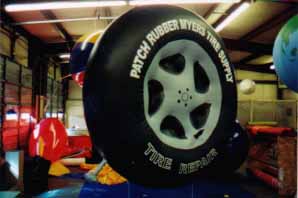
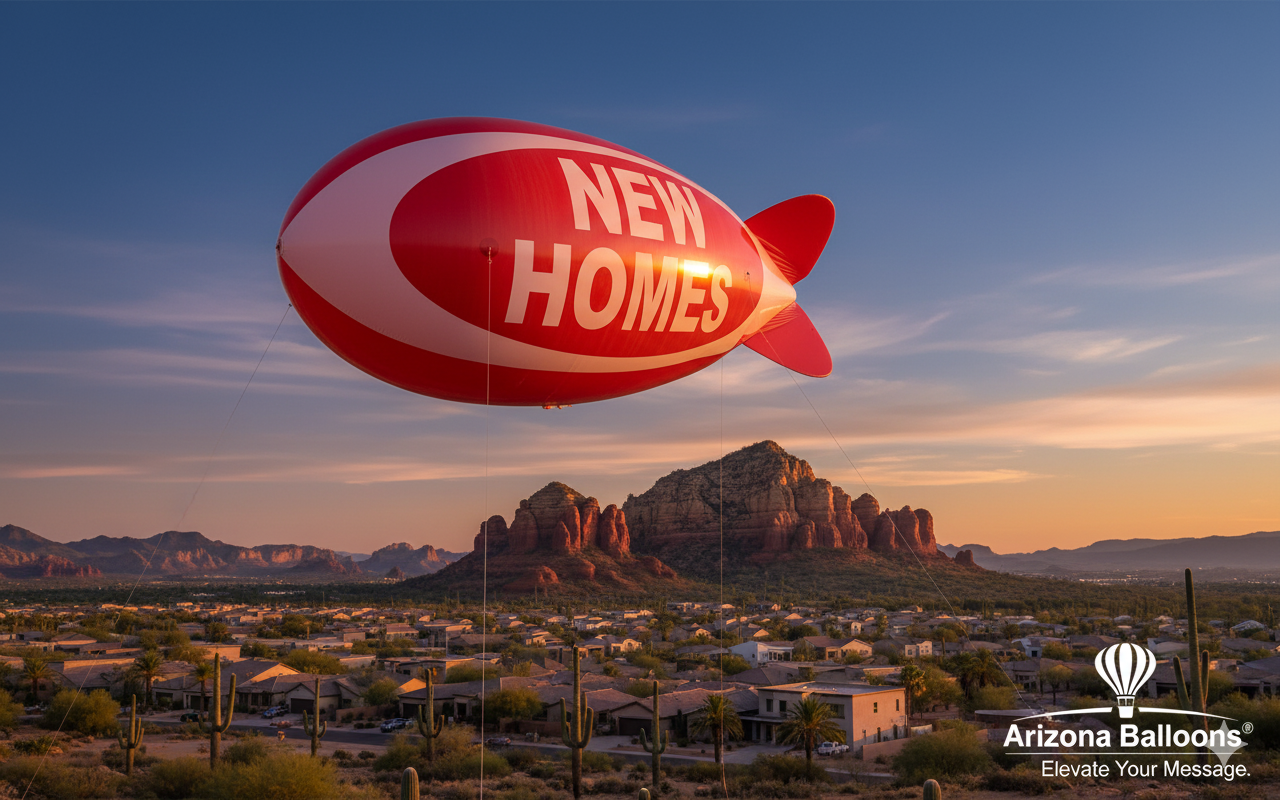
    Outdoor advertising trends: helium advertising balloon above a business location

    Outdoor Advertising Trends: A Record Quarter

    The latest outdoor advertising trends show a medium at an all-time high. According to the Out of Home Advertising Association of America (OAAA), U.S. out-of-home (OOH) revenue rose 10.7% in the second quarter of 2026 to $3.16 billion. It was the first time quarterly OOH revenue has passed $3 billion. The result followed a record first quarter of $2.12 billion, which extended the industry’s growth streak to 20 consecutive quarters.

    The growth was broad. The OAAA reported that 73% of the top 100 OOH advertisers raised their spending compared with the second quarter of 2025. Several well-known brands more than doubled their investment, including Home Depot, Visa, Uber and Bank of America. For business owners, the signal is that location-based advertising is no longer a niche line item. Larger brands are putting more of their budgets into it.

    Anyone planning outdoor visibility for a new community, dealership or trade show can learn from the trend. Arizona Balloon Company works with the same kinds of local and regional advertisers.

    Digital and AI Advertisers Lead the Spend

    Digital out-of-home (DOOH) remained the main growth engine. The OAAA reported that DOOH revenue grew 18.5% year over year in the second quarter and made up 38.4% of total quarterly revenue. Technology and direct-to-consumer brands accounted for 30% of the top 100 spenders. AI companies such as OpenAI were among those increasing their presence.

    The OAAA’s leadership has tied this to the attention economy. At Advertising Week New York, the association’s chief marketing officer said that as AI floods digital channels with content, the physical world offers brands a chance to reach people in moments that feel authentic and memorable. The argument rests on a simple point: a message people can see and experience in person is harder to scroll past.

    That logic applies beyond billboards. Any physical, attention-grabbing format benefits when advertisers look for ways to stand out from screen-based media. Examples include tall inflatables, aerial displays and branded structures. Businesses can browse helium advertising balloons as one format for that kind of visibility.
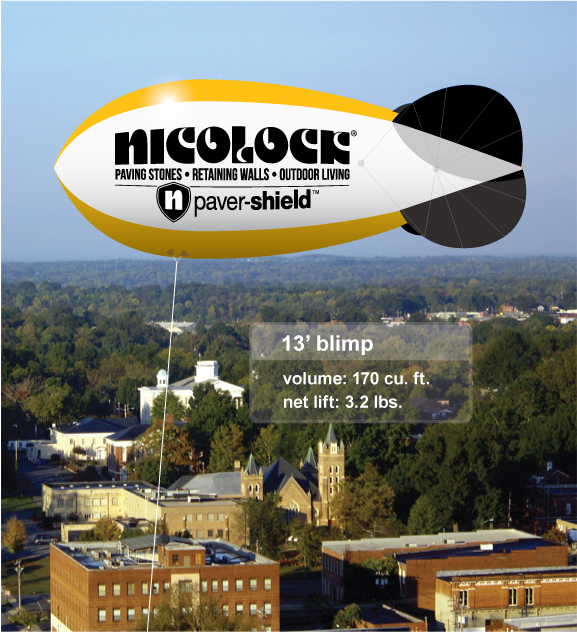
    Outdoor advertising trends: helium advertising balloon above a business location

    Why Marketers Trust Out-of-Home

    Budget growth follows measurable results. A 2026 OAAA study with measurement firm Kochava analyzed device-level data across hundreds of campaigns in seven verticals, including retail, automotive and quick service restaurants. Out-of-home campaigns delivered a median lift of 20% in in-person outcomes such as store visits and 14% in digital outcomes such as website visits. Connected TV and broadcast television each delivered about 10%.

    For auto dealers and home builders, two of the most active local advertisers, the in-person result matters most. A foot-traffic gain is the outcome a dealership lot or a model-home village is built to produce. The same study found that the medium also lifts website visits and app downloads. Outdoor placements can therefore support online lead generation as well as showroom visits.

    Market Headwinds Behind the Growth

    The picture is not entirely positive. A Billboard Insider review of the third quarter found that U.S. out-of-home stocks trailed the broader market. The S&P 500 rose 2.5%, while Clear Channel Outdoor fell 3.7%, Lamar fell 5.8% and OUTFRONT fell 13.6%. The review attributed the drop largely to higher interest rates, with the 10-year Treasury yield up 80 basis points to 5.25%. It also noted that OUTFRONT had guided toward slower revenue growth for the second half of the year.

    The same review said the sector remains ahead of the market for the year to date because of record revenue. Industry consolidation is continuing as well. Adweek reported that Clear Channel Outdoor completed its $6.2 billion acquisition by Mubadala Capital and hired two television executives to reshape its outdoor offering. Meanwhile, the World Out of Home Organization announced ten new members on October 28, including U.S. companies.

    For smaller advertisers, a cautious economy means scrutinizing every placement. Many are favoring formats with predictable costs, flexible durations and a visible local presence.

    Where Balloons and Blimps Fit

    Large networks of billboards and digital screens dominate the revenue figures, but the underlying demand is for attention in physical space. Helium advertising balloons and marketing blimps serve that need in ways fixed structures cannot. They can be placed at a specific site, moved between events and seen from long distances. Because they are three-dimensional and elevated, they draw the eye without competing for screen time.

    This matters for the clients who use them most. Home builders use aerial displays to mark community entrances and grand openings. Auto dealers use them to bring drive-by traffic onto the lot during sales events. Trade show exhibitors use them to make a booth easy to find in a crowded hall. Because these uses are short-term and tied to a place, they fit the shift toward buying moments rather than fixed locations. Details on advertising blimps show how businesses can match the format to the occasion.

    What This Means for Your Marketing

    The record results suggest that competition for outdoor attention will grow. When national brands double their out-of-home budgets, local businesses need to be easier to notice at the places where their customers already are. Start by identifying the moments that matter most, such as a grand opening, a seasonal sale or a trade show, and plan visible outdoor assets around those dates rather than spreading spend evenly.

    Next, treat outdoor placements as part of a measured campaign. The performance data shows that physical advertising can lift both visits and online activity, so connect each placement to a trackable action. A dedicated phone number, landing page or QR code can show which locations are producing leads. Compare the results with your digital channels before the next budget cycle.

    Finally, consider flexible formats. Fixed billboard space is expanding and getting more expensive in many markets, while helium advertising balloons and aerial marketing blimps offer a way to add visibility at a chosen site, for a chosen period, with a clear and controllable cost.

    Want to stand out outdoors? See our giant balloons and our balloon and blimp rentals.

    Call 1-800-791-1445 or contact us for a quote.
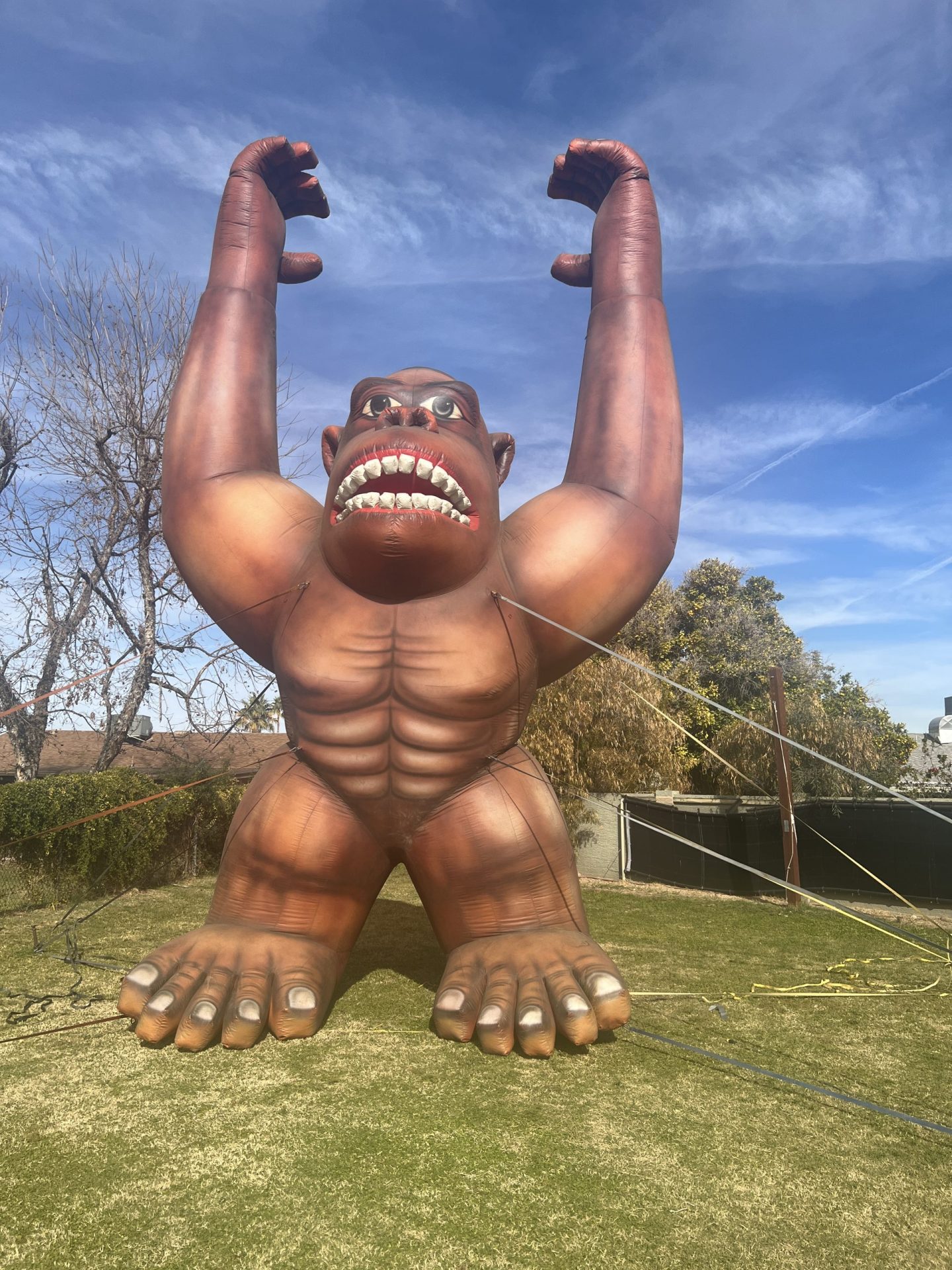
    Sources

  • Outdoor Advertising Trends: OOH Revenue Tops $3 Billion in Q2 2026

    Outdoor Advertising Trends: OOH Revenue Tops $3 Billion in Q2 2026

    Outdoor Advertising Trends: OOH Revenue Tops $3 Billion for the First Time

    By Arizona Balloon Company (arizonaballoon.com) | October 17, 2026

    Outdoor advertising trends: a large roadside display promoting a local business

    Outdoor Advertising Trends: A Record Quarter

    The latest outdoor advertising trends point in one direction: more money is flowing into physical, place-based media. The Out of Home Advertising Association of America (OAAA) reports that out-of-home (OOH) revenue passed $3 billion in the second quarter of 2026, the first time any quarter has crossed that mark. That figure is up 10.7% from the same period a year earlier.

    Digital OOH grew faster than the category as a whole, at 18.5%. According to the OAAA, nearly three-quarters of the top 100 OOH advertisers increased their spending. For business owners and marketing managers, that suggests the growth is broad rather than driven by a handful of large buyers.

    Where the Growth Is Coming From

    The OAAA attributes the momentum to increased investment from major brands, technology and AI companies, pharma, and live events. Many of these advertisers are reaching for channels that put a message in front of people in a specific place and time. They are doing so alongside, not instead of, their online campaigns.

    That logic carries over to smaller advertisers. A home builder promoting a new community, or a dealership running a weekend sales event, benefits from the same physical presence. The difference is scale and format. Visible, location-specific tools such as advertising blimps can give a single site the kind of landmark visibility that large networks sell by the impression. The team at Arizona Balloon Company sees this demand across several of these industries.

    Outdoor advertising trends: a large roadside display promoting a local business

    Local Impact Gets Recognized

    The OAAA announced the winners of its 84th Annual OBIE Awards on October 16, at a celebration held at the Museum of Modern Art in New York. Alongside national brand work, the Local Impact OOH category went to the “Need Braces?” campaign for Lakeside Dental Care, run with Lamar Advertising Company.

    The recognition of a local dental practice is a useful reminder. Outdoor advertising works for neighborhood businesses as well as national brands. Another winner, in the OOH for Good category, paired the National Marine Mammal Foundation with Adams Outdoor Advertising for the “Hiring Colbert” campaign. Creative that is simple, specific and tied to a place continues to earn attention.

    Leadership and Investment Signals

    Industry structure is also shifting. On October 15, the OAAA named OUTFRONT CEO Nick Brien chairman of its board of directors. He succeeds former Clear Channel Outdoor CEO Scott Wells and will serve the remainder of Wells’ term.

    Adweek separately reported that OUTFRONT plans to invest up to $20 million in the media marketplace AdQuick. The goal is to modernize sales, streamline buying and keep pace with rivals in the AI era. The OAAA also hosted a webinar on October 16 about how OOH works across experiential and retail settings. Taken together, these items show the sector working to make outdoor media easier to buy and to connect it with in-person experiences.

    Why Physical Formats Fit This Moment

    As outdoor spending rises, standing out becomes the central challenge. Static and digital displays compete for the same roadside attention, and their locations are fixed. Helium advertising balloons and marketing blimps work differently. They can be placed exactly where a business needs traffic, such as a grand opening, a model home row, a dealership lot or a trade show floor, and they can be moved or removed when the campaign ends.

    For businesses in outdoor and experiential advertising, this flexibility is the main advantage. An inflatable above a venue is visible from a distance, photographs well, and gives visitors a landmark to find. It also fits the experiential trend described in the OAAA’s retail and experiential programming, because it creates a physical focal point people can see, approach and share. This is an industry observation rather than a guarantee of results. Placement, permitting and creative quality still determine how well any aerial format performs.

    Measurement Becomes the Price of Entry

    A recent MarTech Cube guest article by Matthew Shay of Blue Bite describes how precision and attribution are changing OOH in 2026. The piece frames the medium as evolving from a pure brand-awareness tool into an integrated part of the marketing mix that can be tied to results.

    Smaller advertisers can apply the same thinking without a large analytics budget. A dedicated landing page, a unique phone number, a promotion code or a simple “ask how you heard about us” prompt at the sales desk can all connect an outdoor placement to leads. Advertisers who build tracking in before launch will be better positioned to compare physical campaigns against paid search and social.

    What This Means for Your Marketing

    Record OOH spending suggests that physical visibility is regaining weight in the marketing mix. For home builders, auto dealers, trade show exhibitors and other location-driven businesses, the practical lesson is to match the format to the moment. Plan outdoor tactics around launches, events and seasonal demand, and give each one a clear location, a single message and a way to measure response.

    Competition for attention is also rising, so differentiation matters. Large networks sell reach, but a local campaign can win by owning a specific site. Tools such as helium advertising balloons offer a way to create that presence at a cost and timeline suited to small and mid-sized advertisers.

    Finally, treat outdoor and digital as partners. Use the physical placement to draw attention, and use online channels to capture and follow up on the interest it generates. The advertisers gaining ground in this market tend to connect the two rather than choose between them.

    Want to stand out outdoors? See our giant balloons and our balloon and blimp rentals.

    Call 1-800-791-1445 or contact us for a quote.

    Sources

  • Q4 Outdoor Advertising: Why Place-Based OOH Is Winning Late-Quarter Budgets

    Q4 Outdoor Advertising: Why Place-Based OOH Is Winning Late-Quarter Budgets

    Q4 Outdoor Advertising: Why Place-Based OOH Is Winning Late-Quarter Budgets

    By Arizona Balloon Company (arizonaballoon.com) | October 2, 2026

    Q4 outdoor advertising with a large helium balloon above a business location

    Why Q4 Outdoor Advertising Planning Is Shifting

    Q4 outdoor advertising is drawing fresh attention this week. According to a September 30 feature in OOH Today, most media plans are already running by the time the final quarter begins. Budgets are committed and holiday strategies are taking shape. Even so, the quarter tends to create new needs: extra budget turns up, a market needs more support, or a retailer wants a stronger holiday push. The question stops being what the ideal six-month plan looks like and becomes what can still make an impact now.

    That shift affects more than national brands. Home builders chasing year-end closings, auto dealers clearing inventory, and trade show exhibitors preparing for fall and winter events all work against the same compressed timeline. Local, physical visibility that goes live quickly is worth a look for these buyers, and formats such as helium advertising balloons from our advertising balloons line are one example of media that can be placed exactly where a customer is deciding.

    Consumers Act Near the Point of Purchase

    The article leans on recent research from the Outdoor Advertising Association of America (OAAA) and the Harris Poll. Among consumers aged 18 to 64, 86% said they would act after seeing a retail out-of-home ad that interests them. Forty-five percent would visit the retailer’s website or app, 42% would search for the retailer online, and 33% would visit a store.

    Proximity appears to strengthen the effect. Half of respondents said retail out-of-home advertising influences purchase decisions in the days before shopping. That figure rises to 59% immediately outside a store and 64% inside one. The practical lesson for a business owner is that the closer a message sits to the buying moment, the more likely it is to prompt a next step. Our advertising blimps follow the same logic, since they put a large, hard-to-miss message directly over a showroom, sales center, or event.

    Q4 outdoor advertising with a large helium balloon above a business location

    Quick-Turn Does Not Mean Generic

    When time is short, planners often default to broad reach. The OOH Today piece argues for a different approach: move fast while still building around specific markets, venue types, and behaviors. Examples it names include digital screens in retail, convenience stores, and workplaces; signage at gas stations and pharmacies; coffee sleeves; and restaurant and bar media.

    The article also separates two jobs. Digital formats add speed and creative flexibility, while static formats provide sustained visibility and repetition. The goal, it says, is not to use every format but to choose the environments that suit the campaign.

    One note on sourcing: the piece is labeled as a partner message from Encompass Media Group, an OOH Today advertising partner, and it highlights that company’s national place-based coverage. The OAAA and Winterberry Group findings it cites are worth considering independently of that positioning. They report that 98% of surveyed marketers include out-of-home in purchase-driven initiatives, and 86% expect their investment to increase over the next two years.

    Audience Concentration Changes the Plan

    A second item from OOH Today, a Stat of the Week from StreetMetrics, adds a planning caution. For frequent leisure travelers, the best-fitting units in a market reach the audience about 2.4 times as efficiently as the median unit. For SUV shoppers the figure is about 2.2 times. For fast casual diners, the flattest of the 125 segments StreetMetrics measures, the best units are barely better than average.

    The takeaway is to check how concentrated an audience is before building the plan. If the spread is wide, choosing the right location carries most of the value. If it is narrow, almost any unit in the market reaches the audience, and reach matters more. An auto dealer promoting SUVs, for instance, gains from precise placement. A business selling to everyone may gain more from sheer visibility.

    Where Balloons and Blimps Fit the Q4 Window

    Helium advertising balloons and marketing blimps are place-based media by nature. They sit at the business location, the community entrance, or the event floor, which is where the research above says influence is strongest. Like the static formats described in the OOH Today article, they offer sustained visibility and repetition, because the same message is seen by everyone who passes day after day.

    This matters for the categories that make up much of the outdoor market. Home builders can mark a model home or new community during peak weekend traffic. Auto dealers can add height and motion to a year-end sales event. Trade show exhibitors can draw attention from across a hall. In each case the format is physical, local, and fast to deploy relative to many larger media buys, and none of it depends on the audience being online.

    Questions to Settle Before Year-End

    The research points to a short list of decisions. Which action do you want, such as a store visit, a search, or a call? Is your audience concentrated in particular places, or spread everywhere? And which format will stay visible long enough to build repetition before the holidays? Answering these early keeps a late-quarter buy tied to strategy rather than urgency.

    What This Means for Your Marketing

    The common thread in this week’s coverage is relevance over volume. Late-quarter dollars work best when they reach people in the environments where decisions are already being made. For location-driven businesses, that argues for putting your message at or near the place where customers act.

    Consider pairing quick-turn local visibility with a clear action, such as a sales event or open house, so results are easy to judge. If your audience is concentrated, invest in placement. If it is broad, invest in repetition and scale. Businesses weighing physical, high-visibility options can explore aerial marketing blimps as part of that mix.

    Want to stand out outdoors? See our giant balloons and our balloon and blimp rentals.

    Call 1-800-791-1445 or contact us for a quote.
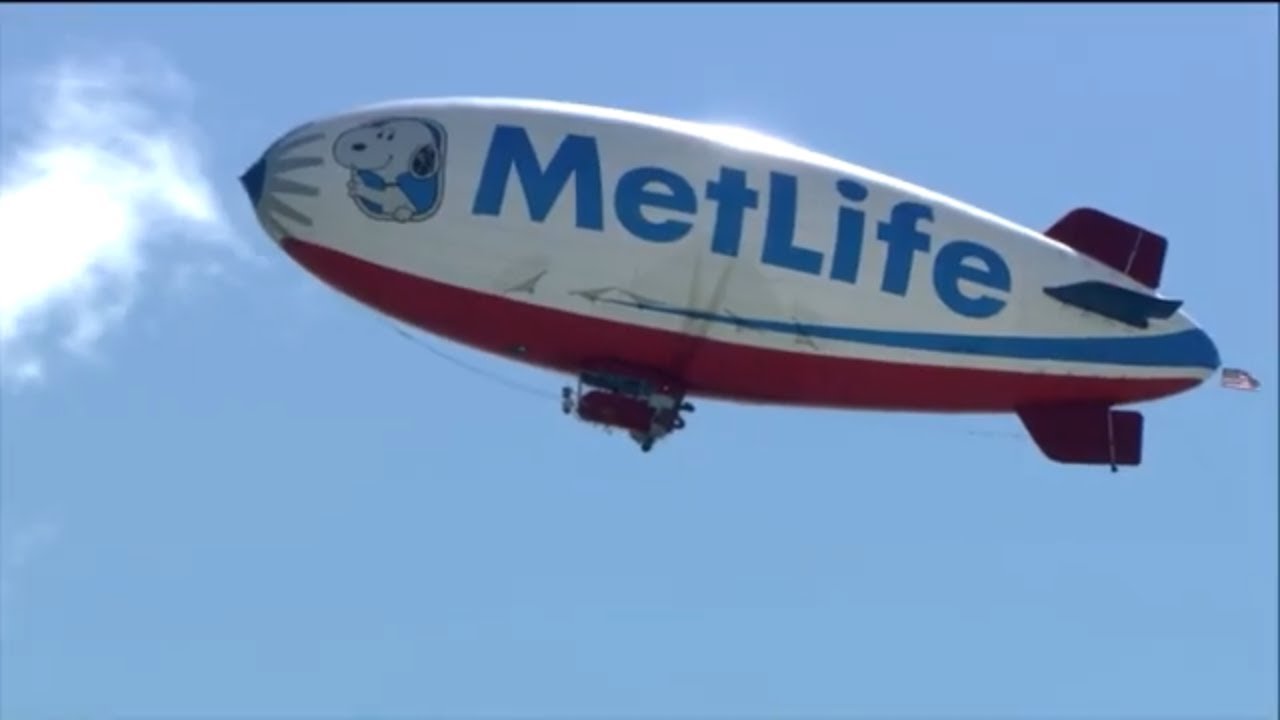
    Sources

  • U.S. Outdoor Advertising Revenue Growth Hits Record $2.12 Billion in Q1 2026


    U.S. Outdoor Advertising Revenue Growth Hits Record $2.12 Billion in Q1 2026


    U.S. Outdoor Advertising Revenue Growth Hits All-Time Record of $2.12 Billion in Q1 2026

    By Arizona Balloon Company (arizonaballoon.com) — June 9, 2026

    outdoor advertising revenue growth billboard and experiential marketing display

    A Record Quarter for Outdoor Advertising Revenue Growth

    Outdoor advertising revenue growth in the United States reached a historic milestone in the first quarter of 2026, with the Out of Home Advertising Association of America (OAAA) reporting an all-time Q1 high of $2.12 billion in total industry revenue. The figure represents a 7.1 percent increase compared to the same period in 2025 and extends the medium’s unbroken growth streak to 20 consecutive quarters. For marketing managers, business owners, and brand strategists, the data signals one undeniable trend: location-based, real-world advertising is not just surviving in a digital era — it is accelerating.

    The strong Q1 performance follows a record-setting 2025, during which the OOH industry generated $9.46 billion in annual revenue. The latest figures build on that foundation and suggest 2026 is on track to surpass it. For businesses that invest in physical, place-based visibility — from home builders and auto dealers to trade show exhibitors and retail chains — the timing is favorable. Consumer attention is demonstrably shifting back toward the physical environment, and advertisers across nearly every category are responding with increased outdoor budgets.

    For businesses looking to capitalize on this momentum with high-impact physical media, custom advertising balloons from Arizona Balloon Company offer a proven, attention-commanding format that fits seamlessly into an outdoor advertising strategy.

    What Is Driving Outdoor Advertising Revenue Growth in 2026

    Digital Out-of-Home (DOOH) formats are the primary engine behind the industry’s expansion, rising 12.9 percent year-over-year and accounting for 36 percent of total OOH revenue in Q1 2026. These programmatic, screen-based placements allow advertisers to update creative in real time, target audiences by time of day or weather condition, and measure campaign performance with greater precision than traditional static formats. The rapid adoption of DOOH by major national brands has elevated the perceived legitimacy of the broader OOH category, creating a rising tide effect that benefits all outdoor formats.

    Among specific OOH channel types, Transit advertising posted the highest growth in Q1 2026 at 18 percent over the prior year period. Street Furniture placements followed closely with an 11.5 percent increase. Billboard formats grew 4.8 percent, while Place-Based media expanded 3.3 percent. Across all major format categories, digital inventory posted gains — with double-digit growth across nearly every digital OOH segment. Printed OOH, sometimes described as a declining medium, still managed a 4.1 percent increase, underscoring that physical presence continues to deliver measurable value for advertisers.

    outdoor advertising revenue growth billboard and experiential marketing display

    Traditional Formats Hold Strong Alongside Digital Innovation

    A common misconception in marketing circles holds that traditional, non-digital outdoor formats are being displaced entirely by screens and programmatic inventory. The Q1 2026 OAAA data challenges that view. Printed OOH grew by 4.1 percent, and all major format categories reported positive results. The evidence suggests that physical, analog outdoor media continues to play a valuable and complementary role in the modern media mix, particularly for businesses that need to establish a visible, trusted presence in a specific geography.

    Physical outdoor formats carry a brand legitimacy that digital screens cannot fully replicate. A large-format presence in a high-traffic area signals investment, commitment, and scale — qualities that resonate especially with consumers making significant purchasing decisions, such as buying a home, selecting a contractor, or choosing an auto dealership. The OAAA data reinforces what experienced local and regional marketers have long understood: being visible in the real world builds the kind of brand trust that accelerates conversion downstream, whether online or in person.

    New Brands Entering the OOH Space in Q1 2026

    One of the more telling indicators from the Q1 2026 OAAA report is the wave of brands that made their first-ever appearance in OOH spending during the quarter. Eight brands were identified as new to Q1 OOH compared with the same period in 2025, including artificial intelligence companies Genspark, OpenAI, and Lambda, as well as established names such as Charter Communications, Citi, eBay, and Boehringer Ingelheim. The entry of AI-sector brands into physical outdoor media is particularly instructive: companies whose entire product exists in the digital world are now turning to real-world, location-based advertising to build awareness and credibility with a general consumer audience.

    This pattern reflects a broader understanding among sophisticated marketing teams that digital-only strategies have ceiling effects. Display advertising faces growing challenges from ad blockers, banner blindness, and platform saturation. OOH, by contrast, is non-skippable, non-blockable, and reaches consumers precisely when they are moving through the world and making decisions. The influx of new advertisers — particularly high-spending technology brands — drives up the overall perceived value of the OOH category and validates the investment for businesses of all sizes that have relied on outdoor formats for years.

    How Helium Advertising Balloons and Marketing Blimps Fit the Outdoor Surge

    The record outdoor advertising numbers released by the OAAA reflect demand for visibility in the physical world — a demand that helium advertising balloons and marketing blimps have served for decades. While the industry conversation often centers on digital screens and programmatic technology, the fundamental principle driving OOH growth is unchanged: brands need to be seen, remembered, and associated with specific locations. Inflatable aerial advertising achieves all three objectives at a fraction of the cost of a digital billboard campaign.

    For home builders, auto dealers, trade show exhibitors, and general businesses, a giant advertising blimp or a cluster of custom-shaped helium balloons creates an instant visual landmark. It draws attention from passing traffic, anchors a brand to a physical location, and communicates the message that something significant is happening at that address — a grand opening, a sale event, a model home tour, or a trade show presence. These are precisely the use cases that the broader OOH surge validates. Outdoor advertising works because people are physically present in the world, and aerial formats cut through ground-level visual clutter in ways that static signage cannot.

    Arizona Balloon Company’s aerial marketing blimps are manufactured, rented, and serviced to deliver this kind of high-impact visibility for businesses across every sector currently driving OOH growth. As the industry continues its record-setting trajectory, physical aerial formats represent a cost-effective and highly differentiated entry point into the outdoor advertising mix.

    What This Means for Your Marketing

    The OAAA’s Q1 2026 data is more than an industry benchmark — it is a strategic signal for marketing decision-makers. The 20 consecutive quarters of growth demonstrate that the consumer shift toward digital consumption has not diminished the effectiveness of outdoor and location-based media. If anything, outdoor advertising is proving to be a critical counterbalance in an era of digital oversaturation. For business owners planning their 2026 campaigns, the data supports a stronger allocation toward real-world visibility, particularly in the high-traffic locations where their target customers are already present.

    Experiential and location-based advertising formats are especially well-positioned for businesses with a strong geographic component to their sales process — home builders marketing model homes, auto dealers driving lot traffic, and trade show exhibitors competing for attention on a crowded show floor. The most effective outdoor strategies combine multiple physical touchpoints: signage, branded environments, and aerial elements that establish a visible identity across a wide radius. Helium advertising balloons from Arizona Balloon Company can serve as the anchor of that aerial layer, providing the kind of unmistakable, high-altitude visibility that no ground-level format can replicate.

    The record OOH revenue figures from Q1 2026 should encourage marketing managers to resist the temptation to shift all investment into digital channels. The brands winning in today’s advertising environment are those deploying integrated strategies that combine the targeting precision of digital with the undeniable physical impact of outdoor. An aerial marketing blimp above a grand opening event, a balloon arch at a trade show booth, or a giant custom shape floating above a home builder’s community — these are proven, measurable tools that belong in any serious outdoor advertising plan. The data supports the investment. The results speak for themselves.

    Want to stand out outdoors? See our giant balloons and our balloon and blimp rentals.

    Call 1-800-791-1445 or contact us for a quote.
    Sources